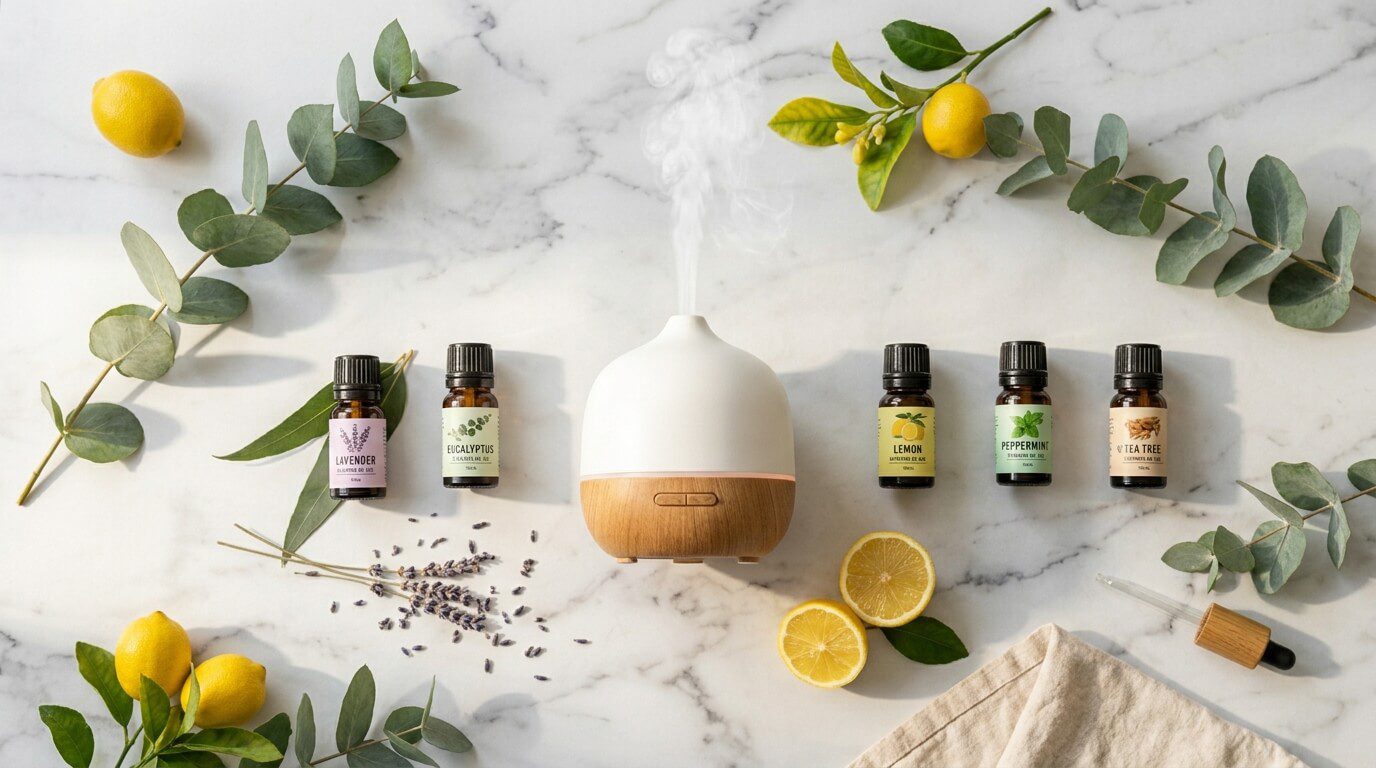

Fresh And Clean Home Scent Essential Oil Combo: Complete Guide
Creating a fresh and clean home scent essential oil combo transforms your living space into a sanctuary of tranquility and comfort. The power of natural aromatherapy extends beyond simply masking odors—it actively purifies the air, uplifts your mood, and creates an inviting atmosphere that welcomes you home every single day. Unlike synthetic air fresheners that often contain harsh chemicals, essential oil combinations offer a pure, customizable approach to home fragrance that adapts to your preferences and lifestyle.
The art of blending essential oils for home fragrance has been practiced for centuries, combining ancient wisdom with modern understanding of aromatherapy benefits. Whether you’re battling pet odors, cooking smells, or simply want to maintain a consistently pleasant environment, the right essential oil combination can work wonders. From energizing citrus blends that awaken your senses in the morning to calming lavender mixes that prepare you for restful sleep, these natural scent solutions provide therapeutic benefits while keeping your home smelling absolutely divine.
In this comprehensive guide, we’ll explore everything you need to know about creating and using fresh and clean home scent essential oil combos. You’ll discover proven recipes, learn about complementary cleaning products, understand proper application methods, and gain insights into maintaining a naturally fresh-smelling home year-round without relying on artificial fragrances or expensive commercial products.
Understanding Fresh and Clean Home Scent Essential Oil Combos
Essential oil combinations work through synergistic blending, where two or more oils create a more powerful effect together than they would individually. The best fresh and clean home scent essential oil combo typically includes top notes (light, uplifting scents), middle notes (balancing aromas), and base notes (grounding, long-lasting fragrances). This layered approach ensures your home maintains a consistent, pleasant aroma throughout the day.
The science behind essential oil diffusion involves releasing volatile aromatic compounds into the air, which then interact with your olfactory receptors. These natural molecules don’t just mask odors—they actually neutralize them at a molecular level. Popular cleaning-focused essential oils like lemon, tea tree, and eucalyptus contain natural antibacterial properties that purify the air while providing refreshing scents.
What Makes an Essential Oil Combo “Fresh and Clean”?
A truly fresh and clean scent profile typically incorporates citrus notes (lemon, orange, grapefruit), herbal elements (rosemary, basil, mint), and crisp botanicals (eucalyptus, pine, tea tree). These scent families evoke cleanliness and freshness in our minds because we associate them with natural cleaning products and outdoor environments. The psychological impact of these aromas can’t be overstated—research from the National Center for Biotechnology Information shows that certain scents directly influence mood, productivity, and stress levels.
Start with single oils before creating complex blends. This helps you understand each oil’s characteristics and intensity, making it easier to create balanced combinations that won’t overwhelm your senses or smell artificial.
The concentration and quality of your essential oils matter tremendously. Pure, therapeutic-grade oils provide stronger, longer-lasting scents and more potent cleaning properties compared to synthetic fragrance oils or diluted products. When investing in essential oils for home scenting, look for reputable brands that provide GC/MS testing results and transparency about sourcing.
Best Fresh Scent for Home: Top Essential Oil Blends
Creating the perfect fresh scent for home requires understanding which essential oil combinations work harmoniously together. I’ve tested dozens of blends over the years, and these recipes consistently deliver the cleanest, most inviting aromas that guests always comment on.
Classic Clean Linen Blend
This combination mimics the smell of fresh laundry dried in the sunshine. Mix 4 drops lavender, 3 drops lemon, 2 drops eucalyptus, and 1 drop peppermint. The lavender provides floral softness, lemon adds brightness, eucalyptus contributes crisp freshness, and peppermint gives a subtle cool finish. This blend works beautifully in bedrooms and bathrooms.
Energizing Citrus Burst
Perfect for kitchens and living areas, this uplifting blend combines 5 drops sweet orange, 3 drops grapefruit, 2 drops lemon, and 1 drop bergamot. The citrus symphony creates an instantly refreshing atmosphere that eliminates cooking odors while boosting energy and focus. It’s particularly effective when used in the morning hours.
| Essential Oil Blend | Best For | Key Benefits |
|---|---|---|
| Clean Linen (Lavender + Lemon + Eucalyptus) | Bedrooms, Bathrooms | Relaxation, Antibacterial, Fresh Aroma |
| Citrus Burst (Orange + Grapefruit + Lemon) | Kitchen, Living Room | Energizing, Odor Elimination, Uplifting |
| Pine Forest (Pine + Cedarwood + Rosemary) | Home Office, Entryway | Focus, Grounding, Natural Cleanliness |
| Spa Sanctuary (Eucalyptus + Peppermint + Tea Tree) | Bathroom, Laundry Room | Purifying, Refreshing, Antimicrobial |
The most effective fresh home scent combinations use a 3:2:1 ratio—three parts top note (citrus/light), two parts middle note (floral/herbal), and one part base note (wood/earth). This creates balanced, long-lasting fragrance that doesn’t fade too quickly.
For those dealing with specific odor challenges, pairing your essential oil diffuser with quality cleaning gadgets can amplify results. Modern ultrasonic diffusers distribute essential oils more evenly throughout your space, ensuring consistent coverage without overwhelming any single area.
Creating Your Perfect Essential Oil Combination
Designing custom essential oil blends tailored to your home’s unique needs is both an art and a science. Start by identifying your primary goals—do you want to neutralize pet odors, create a spa-like bathroom, or establish an energizing workspace? Your objectives will guide your ingredient selections.
How Do You Choose the Right Essential Oils for Different Rooms?
Each room in your home serves different purposes and therefore benefits from distinct scent profiles. Bedrooms thrive with calming combinations like lavender and chamomile, while home offices perform better with focus-enhancing blends of rosemary, peppermint, and lemon. Kitchens need powerful odor-fighting oils like lemon, tea tree, and eucalyptus, whereas bathrooms benefit from fresh, clean scents like pine, eucalyptus, and citrus combinations.
Consider the natural light exposure in each room too. Spaces with abundant sunlight can handle lighter, more delicate scents, while darker rooms benefit from stronger, more noticeable fragrances. I’ve found that north-facing rooms particularly appreciate warming scents like cinnamon and orange during winter months.
Essential oils have different volatility rates, which is why your diffuser blend may smell different after 30 minutes compared to when you first turn it on. Top notes (citrus) evaporate in 15-30 minutes, middle notes (florals) last 2-4 hours, and base notes (woods) can linger for up to 8 hours.
Step-by-Step Blending Process
Begin with a clean glass dropper bottle (dark amber or cobalt blue protects the oils from light degradation). Add your base note first—typically 1-2 drops of cedarwood, sandalwood, or patchouli. Next, introduce your middle notes with 2-3 drops of lavender, geranium, or rosemary. Finally, add your top notes with 3-5 drops of citrus oils like lemon, orange, or bergamot. Shake gently and let the blend rest for at least 24 hours before using, allowing the oils to marry and develop complexity.
For those exploring eco-conscious cleaning alongside natural scenting, incorporating eco friendly cleaning products creates a holistic approach to maintaining a fresh, chemical-free home environment. Many eco-friendly surface cleaners already contain essential oils, complementing your diffuser blends beautifully.
Comparing Commercial Products: PetArmor Home Carpet Powder Fresh Scent Reviews
While essential oil diffusers provide airborne freshness, carpet powders offer targeted odor elimination in high-traffic areas. PetArmor Home Carpet Powder Fresh Scent has gained attention as an affordable solution for pet owners struggling with embedded odors in carpeting and upholstery.
What Do Users Say About PetArmor Carpet Powder?
According to petarmor home carpet powder fresh scent reviews, this product delivers moderate odor control at an attractive price point. Users report that it works best when applied generously and allowed to sit for at least 20-30 minutes before vacuuming. The fresh scent, while pleasant initially, tends to dissipate within a few hours rather than providing all-day freshness. One recurring theme in reviews is that the powder works better as a maintenance product for generally clean carpets rather than a solution for deeply embedded pet odors.
The scent profile leans toward traditional “clean” fragrances reminiscent of commercial laundry detergents—a synthetic fresh smell that some users love and others find too strong. For homes with pets, many reviewers recommend combining this carpet powder treatment with essential oil diffusion for more comprehensive odor management. If you’re dealing with pet hair alongside odors, investing in a best cordless vacuum for pet hair creates a more effective cleaning routine.
Always test carpet powders on an inconspicuous area first, especially on dark or colored carpets. Some powders can leave white residue if not thoroughly vacuumed, and certain carpet types may experience discoloration with repeated use.
The main limitation of commercial carpet powders compared to essential oil-based solutions is their lack of antibacterial properties. While they mask odors temporarily, they don’t address the bacteria causing those smells. Creating a DIY carpet freshener using baking soda, cornstarch, and your custom essential oil blend provides both deodorizing and antimicrobial benefits.
Woolite At-Home Dry Cleaner Fresh Scent: A Complementary Approach
Fabric care plays an essential role in maintaining overall home freshness. The woolite at-home dry cleaner fresh scent offers a convenient way to refresh clothing, curtains, and soft furnishings between professional cleanings, complementing your essential oil home fragrance strategy.
How Does Woolite At-Home Dry Cleaner Work?
The woolite at home dry cleaner fresh scent 6 cloths system uses pre-moistened cloths that release cleaning agents and fresh fragrance when heated in your dryer. This method works particularly well for items labeled “dry clean only” that don’t have heavy staining. The fresh scent variety provides a clean, neutral fragrance that won’t clash with your essential oil diffuser blends—an important consideration when creating a cohesive home scent environment.
In my experience, these dry cleaner sheets work best for refreshing seasonal clothing before storing, reviving curtains and drapes, and quickly deodorizing blazers or coats between wearings. They’re not a replacement for actual dry cleaning when items are soiled, but they excel at odor elimination and wrinkle reduction for lightly worn garments.
One significant advantage is how this product supports your broader home freshness goals. Musty closets and stale-smelling fabrics can undermine even the best essential oil diffusion efforts. By keeping textiles fresh, you create a more receptive environment for your carefully crafted scent combinations. For optimal results, pair this fabric care approach with vinegar-based cleaning solutions—explore cleaning hacks with vinegar for natural ways to deep-clean fabrics before using the Woolite system.
Create scent layering by using unscented or lightly scented fabric care products like Woolite, then add your custom essential oil blends via drawer sachets, closet hangers with felt pads soaked in oils, or small bowls of scented baking soda placed on shelves.
Maintaining a Fresh Home Scent Year-Round
Consistency is the secret to achieving that perpetually fresh home scent that seems effortless. Seasonal adjustments, regular cleaning routines, and strategic essential oil placement all contribute to year-round olfactory excellence.
Seasonal Scent Rotation Strategy
Your nose becomes desensitized to familiar scents after prolonged exposure, which is why rotating your essential oil combinations seasonally maintains their impact. Spring calls for bright, floral blends with jasmine, neroli, and lavender. Summer thrives on invigorating citrus and mint combinations. Autumn welcomes warmer notes like cinnamon, clove, and orange, while winter benefits from cozy blends of pine, frankincense, and vanilla.
Beyond simply changing scents, adjust your diffusion methods with the seasons. During humid summer months, reduce diffuser run times to prevent overwhelming moisture levels. In dry winter conditions, increase diffusion to add both fragrance and beneficial humidity to your indoor air.
What’s the Best Frequency for Diffusing Essential Oils?
Most experts recommend running diffusers for 30-60 minute intervals with 30-60 minute breaks in between. This intermittent approach prevents olfactory fatigue, conserves your essential oils, and maintains optimal air quality. For continuously occupied spaces like home offices, I prefer running the diffuser for 45 minutes every two hours rather than continuously. Bedrooms benefit from diffusion 30 minutes before sleep and automatic shutoff to prevent overnight exposure.
Regular deep cleaning remains fundamental to maintaining fresh home scent—no amount of essential oils can overcome underlying cleanliness issues. Establish weekly routines that include vacuuming with attention to corners and under furniture, mopping hard floors with microfiber car cloths adapted for home use (they’re excellent for streak-free cleaning), and washing soft furnishings monthly.
The most successfully fresh-smelling homes combine three elements: regular deep cleaning, strategic essential oil diffusion, and proper ventilation. Opening windows for 10-15 minutes daily, even in winter, prevents stale air accumulation and allows your essential oil fragrances to smell cleaner and more natural.
Common Mistakes to Avoid
Even with the best intentions, several common pitfalls can undermine your efforts to create a fresh and clean home scent essential oil combo. Understanding these mistakes helps you achieve better, longer-lasting results.
Over-Diffusing and Scent Overload
The most frequent mistake is using too many drops or running diffusers constantly. This creates an overpowering environment that can trigger headaches, nausea, and olfactory fatigue. Start with fewer drops than recommended and gradually increase until you achieve subtle, pleasant fragrance. Remember that you’ll become nose-blind to your home’s scent within minutes—trust the process rather than continuously adding more oils.
Ignoring Essential Oil Quality
Not all essential oils are created equal. Synthetic fragrance oils marketed as “essential oils” lack therapeutic properties and often contain chemicals that can irritate respiratory systems. Always purchase from reputable suppliers who provide botanical names, country of origin, and GC/MS testing results. While quality oils cost more upfront, they’re more concentrated and effective, ultimately providing better value.
Neglecting Diffuser Maintenance
Dirty diffusers produce stale-smelling mist and can harbor mold or bacteria. Clean your diffuser thoroughly after every 5-6 uses by wiping the reservoir with white vinegar, rinsing completely, and allowing it to dry fully. Monthly deep cleaning with EPA-approved methods ensures optimal performance and prevents cross-contamination between different oil blends.
Never diffuse essential oils continuously in rooms with pets, especially cats. Some oils (tea tree, eucalyptus, citrus) can be toxic to animals with prolonged exposure. Use oils in well-ventilated spaces and allow pets the option to leave the room if they show signs of discomfort.
Mismatching Scents Throughout the Home
Using completely different scent families in adjacent rooms creates olfactory confusion. While each room can have its unique blend, they should share at least one common note for cohesion. For example, if your living room features a citrus blend, your adjacent kitchen might include citrus plus herbaceous notes rather than jumping to completely floral fragrances.
Frequently Asked Questions
What is the best essential oil combination for a fresh and clean home scent?
The most universally appealing fresh and clean combination includes lemon (4 drops), eucalyptus (2 drops), and peppermint (1 drop). This blend provides antibacterial properties, crisp freshness, and energizing aromatherapy benefits. For variation, substitute tea tree for eucalyptus or add lavender for a softer finish. The key is maintaining citrus as your dominant note while supporting it with herbal or minty undertones. This combination works excellently in kitchens, bathrooms, and entryways where first impressions matter most.
How long do essential oil scents last in a room?
Essential oil scents typically last 2-4 hours in an average-sized room, depending on ventilation, humidity, and the oils used. Top notes like citrus evaporate quickest (30-60 minutes), while base notes like cedarwood can linger for 6-8 hours. Using a continuous diffuser extends the scent presence, but intermittent diffusion (30 minutes on, 30 minutes off) actually creates more lasting impressions because it prevents olfactory fatigue. Room size matters significantly—a 200 square foot bedroom holds scent much longer than an open-concept 800 square foot living space.
Can I use essential oils to remove pet odors permanently?
Essential oils neutralize pet odors effectively but require consistent application combined with thorough cleaning. Oils like lemon, tea tree, and eucalyptus have natural antibacterial properties that address odor-causing bacteria, not just mask smells. However, you must first deep clean affected areas, as oils diffused over dirty surfaces will only create temporary relief. Create a cleaning spray with water, white vinegar, and 15-20 drops of your chosen essential oils, spray affected areas, let sit for 5 minutes, then blot thoroughly. Follow up with regular diffusion to maintain freshness and prevent odor recurrence.
How many drops of essential oil should I use in my diffuser?
For most standard 100ml diffusers, use 3-5 drops of essential oil for light fragrance, 5-8 drops for medium strength, and 8-12 drops for strong scent. Smaller 50ml diffusers need only 2-4 drops, while large 300ml+ diffusers can handle 12-15 drops. Your room size, ceiling height, and ventilation also factor into the equation. Always start with fewer drops than you think necessary—you can add more next time if needed, but you can’t remove excess once diffused. Bedrooms typically require fewer drops than living spaces, and humid environments need slightly more due to moisture competition.
Are commercial fresh scent products better than essential oil combinations?
Commercial products like PetArmor carpet powder and Woolite dry cleaner cloths serve different purposes than essential oil diffusion. Commercial products excel at targeted odor elimination in fabrics and carpets but often use synthetic fragrances that lack therapeutic benefits and may contain chemicals. Essential oil combinations provide natural antibacterial properties, aromatherapy benefits, and customization impossible with commercial products. The best approach combines both: use commercial products for deep cleaning specific items and essential oils for ongoing air freshening and mood enhancement throughout your living spaces.
What’s the most cost-effective way to maintain fresh home scent?
The most budget-friendly approach combines baking soda-based DIY products with strategic essential oil use. Create carpet fresheners by mixing one cup baking soda with 15-20 drops essential oils, storing in a sealed jar for 24 hours, then sprinkling on carpets before vacuuming. Make drawer sachets with rice or dried beans mixed with essential oils in small fabric bags. Use intermittent diffusion (30 minutes twice daily) rather than continuous running to conserve oils. Buy larger essential oil bottles (30ml vs 10ml) for significant per-drop savings, and purchase multi-packs of popular oils like lemon, lavender, and peppermint which you’ll use frequently.
Can I blend fresh scent essential oils with other home fragrances?
You can layer essential oils with other natural fragrances like scented candles or incense, but avoid mixing with synthetic air fresheners or plug-ins. The key is ensuring complementary scent profiles—if diffusing citrus oils, choose candles with similar citrus, herbal, or neutral notes rather than competing floral or musky scents. Never run multiple diffusers with different oil blends in the same room, as this creates olfactory confusion. Instead, create a cohesive scent story throughout your home by using variations on a theme: citrus-dominant in kitchens, citrus-floral in living spaces, and citrus-herbal in bedrooms, ensuring smooth transitions as you move between rooms.
How do I know if my essential oils are working to clean the air?
While you can’t visibly see air purification happening, several indicators confirm your essential oils are working effectively. First, notice whether specific odors (cooking smells, pet odors, mustiness) disappear rather than simply being masked by stronger fragrances. Second, observe whether the scent spreads evenly throughout the room rather than concentrating near the diffuser, indicating proper air circulation. Third, you and your family should experience subtle mood or energy shifts associated with different oils—energized by citrus, relaxed by lavender. According to research published in ScienceDirect, many essential oils demonstrate measurable antimicrobial activity, though home diffusion concentrations are lower than those used in laboratory studies.
Conclusion
Creating the perfect fresh and clean home scent essential oil combo represents far more than simple air freshening—it’s about crafting a living environment that nurtures your well-being, impresses guests, and provides daily comfort through the power of natural aromatherapy. By understanding essential oil properties, learning proper blending techniques, and establishing consistent maintenance routines, you can transform any space into a sanctuary of freshness without relying on harsh chemicals or expensive commercial products.
The journey to a perpetually fresh-smelling home combines multiple strategies: regular deep cleaning, strategic essential oil diffusion, seasonal scent rotation, and careful integration of complementary products like carpet powders and fabric refreshers. Remember that achieving the right balance takes experimentation—what works beautifully in one home may need adjustment in yours based on factors like humidity, square footage, and personal scent preferences.
Start small with one or two proven blends, invest in quality essential oils, maintain your diffuser properly, and gradually expand your scent library as you discover which combinations resonate with your lifestyle. Whether you’re drawn to energizing citrus blends, calming lavender combinations, or crisp eucalyptus mixtures, the perfect fresh home scent awaits your creative exploration. Your home deserves to smell as wonderful as it looks, and with these natural essential oil solutions, achieving that goal has never been more accessible or enjoyable.