
Car Cleaning Kit: Complete Guide to Interior & Exterior Care
Estimated reading time: 11 minutes
Keeping your vehicle in pristine condition requires more than just regular trips to the car wash. A comprehensive car cleaning kit empowers you to maintain your vehicle’s appearance between professional detailing sessions, saving money while achieving showroom-quality results. Whether you’re dealing with muddy footprints, dusty dashboards, or stubborn exterior grime, having the right tools at your fingertips transforms car maintenance from a chore into a satisfying ritual.
The automotive detailing industry has evolved tremendously over the past decade, with manufacturers developing specialized products that cater to every surface and material in your vehicle. From microfiber technologies that lift dirt without scratching to pH-balanced formulas that protect your paint’s clear coat, modern cleaning solutions deliver professional-grade performance for home users. Understanding what makes an effective cleaning arsenal helps you invest wisely rather than accumulating products that gather dust in your garage.
This comprehensive guide walks you through everything you need to know about assembling and using your ideal cleaning collection. We’ll explore essential components, compare budget-friendly options with premium alternatives, and share practical techniques that maximize results while protecting your vehicle’s finishes. By the end, you’ll have the knowledge to confidently maintain every inch of your car’s interior and exterior.
Essential Components Every Kit Should Include
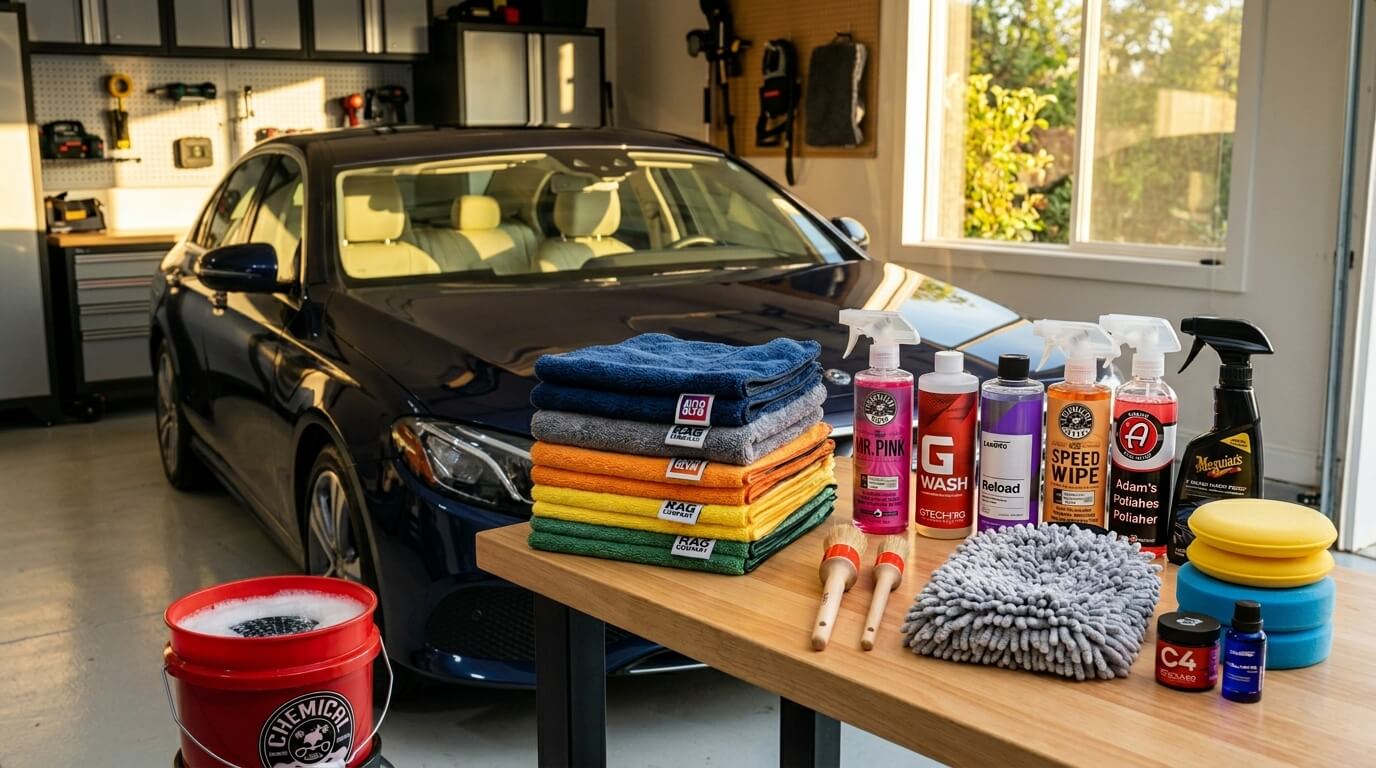
Building an effective cleaning arsenal starts with understanding the fundamental tools that address both interior and exterior surfaces. At minimum, your collection should include multiple microfiber towels in various sizes, as these versatile cloths handle everything from dashboard dusting to final paint buffing without leaving scratches or lint behind.
A quality bucket system with grit guards prevents dirt from being reintroduced to your paint during washing. The two-bucket method—one for soapy water, one for rinsing—has become the gold standard among detailing enthusiasts because it dramatically reduces the risk of creating swirl marks. Pair this with a pH-neutral car wash soap specifically formulated for automotive finishes rather than household dish detergent, which can strip protective waxes and sealants.
For interior maintenance, you’ll need a dedicated vacuum with crevice tools to reach between seats and under pedals. Soft-bristle brushes help agitate dirt from textured surfaces like floor mats and door panels without causing damage. Interior cleaners should be matched to your specific materials—leather requires different care than vinyl or fabric upholstery. According to the International Automotive Auctioneers, proper interior maintenance can preserve up to 15% more resale value over five years.
Don’t overlook specialized applicators and brushes designed for wheels and tires. Brake dust and road grime require stronger cleaning agents than what’s safe for paint, so dedicated wheel cleaners and brushes with extended handles prevent cross-contamination while making the job easier. Glass cleaners formulated for automotive use leave streak-free finishes that enhance visibility and safety.
Label your microfiber towels by color coding—use blue for exterior paint, yellow for glass, green for interior surfaces, and red for wheels. This system prevents accidental cross-contamination that can scratch delicate surfaces or leave residue.
Best Car Cleaning Kit Options for Different Budgets
The market offers countless pre-packaged options ranging from basic starter sets to professional-grade collections. Understanding what you’re actually getting for your money helps you make informed decisions that align with your needs and budget constraints.
What Is the Best Car Cleaning Kit for Beginners?
For those just starting their detailing journey, comprehensive starter kits from brands like Meguiar’s, Chemical Guys, or Armor All provide excellent value. These typically include wash soap, wax or sealant, tire cleaner, interior detailer, glass cleaner, and a selection of applicators and towels. Entry-level kits usually cost between $40-$80 and contain enough product for 10-15 complete cleaning sessions.
The advantage of starter kits lies in their curated selection—you’re getting products designed to work together without overwhelming choices. However, the quality of individual components may be compromised to hit attractive price points. Pay attention to towel thread count (aim for 300 GSM or higher) and read ingredient labels on cleaners to avoid harsh chemicals that can damage surfaces over time.
Mid-range options in the $100-$200 bracket often include higher-quality microfiber, longer-lasting formulas, and additional specialty products like clay bars for paint decontamination or leather conditioners. These investments pay dividends through better results and reduced product consumption. Research from Consumer Reports indicates that premium cleaning products can reduce the time spent on detailing tasks by up to 30% compared to budget alternatives.
| Budget Tier | Price Range | What You Get |
|---|---|---|
| Budget | $40-$80 | Basic soap, wax, glass cleaner, 4-6 towels, basic applicators |
| Mid-Range | $100-$200 | Premium formulas, 10-12 quality microfiber towels, specialized brushes, clay bar, wheel cleaner |
| Premium | $250-$500+ | Professional-grade chemicals, extensive towel collection, dual-action polisher, ceramic coating products, complete tool set |
Premium collections exceeding $250 cater to enthusiasts who want professional results at home. These often include machine polishers, ceramic coating systems, and extensive chemical lineups that address every conceivable detailing scenario. While the upfront cost seems steep, the per-use expense becomes competitive with professional detailing services after just a few applications.
If you’re exploring other cleaning tools for your home and vehicle, consider checking out our guide on best cordless vacuum for pet hair, which can be invaluable for keeping car interiors free from fur and debris.
Start with a mid-range kit that includes quality basics, then expand with specialty products as you identify specific needs. This approach prevents wasting money on products you’ll never use while ensuring you have reliable tools for regular maintenance.
Interior Car Cleaning Kit: Specialized Tools and Products
Your vehicle’s cabin faces unique challenges from daily use—spilled coffee, muddy shoes, pet hair, and UV exposure all take their toll. A dedicated car interior cleaning kit addresses these specific demands with tools and formulas designed for enclosed spaces and delicate materials.
The foundation of interior care is a powerful vacuum with multiple attachments. Crevice tools navigate tight spaces around seat rails and center consoles, while brush attachments gently agitate carpet fibers to lift embedded dirt. Many detailing enthusiasts prefer compact, high-suction models over household vacuums because they’re easier to maneuver around tight automotive interiors.
How to Use Shark Car Cleaning Kit Attachments Effectively
Shark’s automotive cleaning attachments have gained popularity for their versatility and thoughtful design. The motorized pet hair tool removes stubborn fur from fabric seats and carpets with rotating bristles that lift hair from deep within fibers. Start with overlapping passes in one direction, then repeat perpendicular to your first pass for maximum removal. The crevice tool with its angled tip reaches under seats and between cushions where coins, crumbs, and debris accumulate.
For hard surfaces like dashboards and door panels, the dusting brush attachment prevents scratches while removing dust from textured surfaces. Always use interior cleaners appropriate for your specific materials—all-purpose cleaners work well on vinyl and plastic, but leather requires dedicated products with conditioning properties to prevent cracking. Apply cleaner to your microfiber cloth rather than directly to surfaces to avoid overspray on windows or oversaturation that can damage electronics.
Steam cleaners have emerged as powerful tools for car interior cleaning kit assemblies, offering chemical-free sanitization that kills bacteria and breaks down stubborn stains. The high temperature loosens grime from fabric upholstery, floor mats, and even air vents. However, use caution around leather and wood trim, as excessive heat and moisture can cause damage.
Don’t forget about odor elimination as part of your interior maintenance routine. Activated charcoal bags absorb persistent smells without masking them with fragrances, while enzymatic cleaners break down organic odors at the molecular level. For comprehensive interior cleaning tips, our article on cleaning gadgets explores innovative tools that can revolutionize your approach to vehicle maintenance.
The average car interior harbors more bacteria per square inch than a typical toilet seat, according to research from Queen Mary University of London. Regular cleaning with antimicrobial products isn’t just about aesthetics—it’s a health necessity, especially for families with young children or individuals with allergies.
Car Cleaning Cloth Kit: Choosing the Right Microfiber
Not all microfiber cloths are created equal, and understanding the differences prevents damage while optimizing your cleaning efficiency. The car cleaning cloth kit component of your arsenal deserves careful consideration because these tools directly contact your vehicle’s surfaces thousands of times throughout their lifetime.
Microfiber density, measured in grams per square meter (GSM), determines a cloth’s absorbency and softness. Lighter towels around 200-300 GSM work well for glass cleaning and quick interior wipes, while heavier options between 400-600 GSM excel at drying paint and buffing wax. Plush towels with deep pile are gentle enough for final paint touches but hold more water and cleaning solution, making them ideal for large surface areas.
The weave pattern also matters significantly. Waffle-weave towels trap dirt and water in their textured pockets, making them superior for drying without leaving streaks. Flat-weave options with tight fibers work better for applying products like waxes or sealants because they don’t absorb as much product. Suede or ultra-plush towels deliver scratch-free results on delicate clear coats and can safely remove light dust without prewashing the vehicle.
Color coding your microfiber collection prevents cross-contamination—the same towel that works perfectly on wheels would scratch your paint if used afterward. Establish a consistent system and stick with it. I’ve learned through experience that maintaining separate towels for each task extends their lifespan and protects your vehicle’s finish from accidental damage.
Proper care extends microfiber longevity significantly. Wash towels separately from regular laundry using mild, fragrance-free detergent without fabric softener, which clogs the fibers and reduces their cleaning effectiveness. Air drying is ideal, but if using a machine dryer, keep temperatures low to prevent melting the synthetic fibers. Our guide on microfiber car cloths provides detailed maintenance instructions that help your investment last for years.
Never use the same microfiber towel for wheels and paint. Brake dust contains metallic particles that embed in cloth fibers and will scratch your clear coat even after washing. Always designate specific towels for high-contamination areas and replace them when they become excessively worn or stiff.
Exterior Detailing: Paint, Windows, and Wheels
Your vehicle’s exterior faces constant assault from environmental contaminants—bird droppings, tree sap, industrial fallout, and UV radiation all degrade protective coatings and paint finishes. A systematic approach to exterior cleaning preserves your investment while maintaining that new-car appearance.
Begin with a thorough rinse to remove loose dirt and debris that could scratch during washing. The two-bucket method with grit guards should be standard practice—one bucket contains your soap solution, the other clean rinse water. After each panel, rinse your wash mitt in the clean water bucket, scrape it across the grit guard to release trapped particles, then reload with fresh soap solution.
Work from top to bottom since gravity carries dirt downward, and always wash in the shade or during cooler parts of the day to prevent premature drying that leaves water spots. Wheels and tires should be cleaned last or separately since they’re the dirtiest parts of your vehicle. Dedicated wheel cleaners break down brake dust and road grime more effectively than car wash soap, but verify they’re safe for your specific wheel finish—some aggressive formulas can damage certain coatings or raw aluminum.
After washing, clay bar treatment removes bonded contaminants that washing alone can’t eliminate. When you run your hand over seemingly clean paint and feel roughness, those are embedded particles that will interfere with wax or sealant adhesion. The clay bar, used with proper lubricant, safely lifts these contaminants for smooth, glass-like paint.
Protection is the final step—whether traditional carnauba wax, synthetic polymer sealants, or ceramic coatings. These barriers shed water, resist contamination, and add depth to your paint’s appearance while protecting against UV damage. According to the Society of Automotive Engineers, vehicles with maintained protective coatings experience 40% less clear coat degradation over a five-year period compared to unprotected paint.
Glass deserves special attention because streak-free visibility directly impacts safety. Use automotive glass cleaners rather than household products containing ammonia, which can damage window tint and dry out rubber seals. Microfiber glass towels or even newspaper work better than paper towels for a perfect, streak-free finish.
For those interested in eco-friendly approaches to vehicle maintenance, our article on eco friendly cleaning products explores sustainable alternatives that clean effectively while minimizing environmental impact.
Common Mistakes to Avoid When Cleaning Your Car
Even with quality products, improper techniques can cause more harm than good. Understanding these frequent pitfalls helps you avoid expensive mistakes that require professional correction.
Washing in direct sunlight tops the list of common errors. Heat causes soap and water to dry rapidly, leaving unsightly spots and streaks that require additional work to remove. The elevated surface temperature also makes products less effective and can even cause some formulas to streak or haze. Always detail in shade or during morning and evening hours when temperatures are moderate.
Using household cleaners on automotive surfaces ranks as another widespread mistake. Dish soap strips protective waxes and can dry out rubber trim and seals. Window cleaners containing ammonia damage window tint and cause rubber gaskets to deteriorate. All-purpose household cleaners may be too harsh for delicate interior plastics, causing them to fade or develop a cloudy appearance over time.
Circular buffing motions when applying or removing products create swirl marks—those fine scratches visible in direct sunlight that detract from your paint’s clarity. Instead, work in straight lines following the vehicle’s body lines. If scratches occur, they’ll be far less noticeable than circular patterns.
Neglecting to clean applicators and towels properly between uses introduces contamination that scratches surfaces. That expensive microfiber towel becomes an abrasive pad when filled with dirt particles from previous uses. Establish a washing routine and inspect towels before each use, discarding any that feel stiff or show embedded debris.
Overlooking hidden areas creates inconsistent results and allows dirt to migrate onto freshly cleaned surfaces. Door jambs, trunk seals, gas cap areas, and under hood components all accumulate grime that eventually transfers to visible areas. Include these zones in your regular cleaning routine for truly thorough results.
One mistake I personally made early on was over-applying protectants to interior surfaces. More product doesn’t mean better protection—it creates sticky, dust-attracting surfaces that look worse than before cleaning. A little product goes a long way, especially with concentrated formulas. For more cleaning wisdom, check out our collection of cleaning hacks with vinegar that can be adapted for various automotive applications.
Keep a detailing spray and microfiber towel in your car for quick touch-ups. Removing bird droppings, bug splatter, or tree sap within 24-48 hours prevents these contaminants from etching into your clear coat, which requires professional paint correction to fix.
Maintaining Your Cleaning Kit for Longevity
The tools in your kit represent an investment that deserves proper care to ensure optimal performance over many years. Establishing good maintenance habits extends the lifespan of your products while maintaining their effectiveness.
Store chemicals in climate-controlled environments away from extreme temperatures and direct sunlight. Heat and cold cycles can break down chemical formulations, reducing their effectiveness or even causing separation. Many products specify ideal storage temperatures on their labels—follow these guidelines to preserve product integrity.
Microfiber towels require special washing procedures to maintain their cleaning ability. Wash them separately from other laundry in warm water with mild, fragrance-free detergent. Never use fabric softener or dryer sheets, as these coat the fibers with chemicals that reduce absorbency and cleaning power. If possible, air dry your towels or use low heat tumble drying. Properly maintained microfiber can last for hundreds of wash cycles.
Brushes and applicators should be rinsed thoroughly after each use to remove product residue and trapped dirt. Pay particular attention to wheel brushes, which encounter the harshest contamination. Allow all tools to dry completely before storage to prevent mold and mildew growth, especially in humid climates.
Inspect your tools regularly for wear and damage. Microfiber towels with tears, loose threads, or stiff patches should be retired from paint duty and relegated to less critical tasks like cleaning wheels or engine bays. Brushes with bent or missing bristles can scratch surfaces and should be replaced.
Organization prevents product waste and confusion. Group products by purpose—exterior cleaning, interior care, protection products, and specialty items. Label products with purchase dates to track age, as many formulas have optimal use windows even if they don’t technically expire. This system also helps you identify which products you use most frequently, informing future purchasing decisions.
Vacuum attachments and hoses should be cleaned after each use and checked for clogs that reduce suction power. Empty vacuum canisters or bags before they reach full capacity to maintain optimal performance. According to Insurance Institute for Highway Safety research, maintaining a clean vehicle interior can reduce distraction-related incidents by improving the overall driving environment.
Frequently Asked Questions
What’s the best car cleaning kit for someone on a tight budget?
For budget-conscious buyers, look for starter kits from established brands like Turtle Wax or Armor All in the $40-$60 range. These typically include essential products like car wash soap, tire cleaner, interior detailer, glass cleaner, and basic microfiber towels. While they may not offer premium formulations, they provide everything needed for regular maintenance without breaking the bank. Alternatively, you can build a custom kit by purchasing individual products on sale and adding components gradually as your budget allows. Focus first on quality microfiber towels and a good pH-neutral wash soap, then expand your collection over time.
How often should I deep clean my car’s interior with a cleaning kit?
The ideal frequency depends on your usage patterns, but most vehicles benefit from thorough interior cleaning every 2-3 months, with light maintenance weekly. If you have pets, transport kids regularly, or frequently eat in your vehicle, monthly deep cleaning prevents buildup and keeps odors under control. Weekly maintenance might include vacuuming floor mats, wiping down the dashboard, and cleaning windows. Seasonal deep cleans should address areas often overlooked like air vents, door pockets, seat tracks, and under floor mats. This schedule maintains a fresh interior without requiring excessive time investment.
Can I use the same products on both interior and exterior surfaces?
Generally no—interior and exterior surfaces require different formulations due to their unique materials and challenges. Exterior car wash soaps are designed for painted surfaces and may be too harsh for interior plastics and fabrics. Similarly, interior cleaners often contain ingredients that would streak on exterior paint or glass. However, some all-purpose cleaners are specifically formulated for both applications when properly diluted. Always read product labels carefully and test in inconspicuous areas before full application. Using dedicated products for specific surfaces delivers better results and prevents accidental damage from incompatible formulations.
What is the best car cleaning kit for leather interiors?
Leather interiors demand specialized care to prevent cracking, fading, and premature aging. Look for kits that include pH-balanced leather cleaners and conditioners specifically formulated for automotive leather. Premium options from Lexol, Chemical Guys Leather Care, or Meguiar’s Gold Class provide excellent results. The kit should include soft horsehair or microfiber brushes that gently agitate cleaner without scratching the leather’s surface, plus applicators for conditioning products. Avoid kits with harsh all-purpose cleaners or silicone-based products that create a slick, unnatural appearance. Quality leather care kits typically range from $30-$80 and include enough product for a year of regular maintenance on most vehicles.
Do expensive car cleaning kits really work better than budget options?
Price differences often reflect formula concentration, ingredient quality, and included tools rather than marketing hype. Premium products typically contain higher-quality surfactants, protective polymers, and conditioning agents that deliver superior results with less product. They also tend to be more concentrated, meaning a single bottle lasts longer despite the higher upfront cost. The microfiber towels included in expensive kits usually feature higher GSM ratings and better construction, reducing the risk of scratching and improving cleaning efficiency. That said, mid-range kits often provide the best value proposition—you get significantly better quality than budget options without paying premium prices. For regular maintenance rather than show-car preparation, a well-chosen mid-range kit delivers professional results without premium costs.
How do I remove stubborn stains from car upholstery using my cleaning kit?
Stubborn stains require targeted treatment based on the stain type and upholstery material. For fabric seats, pre-treat the area with upholstery cleaner, allowing it to dwell for 3-5 minutes to break down the stain. Use a soft-bristle brush to gently agitate the fibers in circular motions, then extract with a wet/dry vacuum or steam cleaner if available. Blot rather than rub to prevent spreading the stain or damaging fibers. For protein-based stains like blood or food, enzymatic cleaners work best by breaking down organic matter at a molecular level. Oil-based stains may require multiple applications of degreasing products. Always test cleaning products on hidden areas first, and avoid over-wetting fabric which can cause mold or mildew. Leather stains should be addressed with leather-specific cleaners followed by conditioning to prevent drying.
Should I include a pressure washer in my car cleaning kit setup?
While not essential, a pressure washer significantly improves exterior cleaning efficiency and effectiveness when used properly. Electric pressure washers in the 1200-1900 PSI range provide enough power to rinse away loose dirt and pre-soak vehicles without risking paint damage. They’re particularly valuable for cleaning wheel wells, undercarriages, and heavily soiled vehicles. However, improper use—such as holding the nozzle too close to paint or using narrow spray patterns—can damage clear coats, strip wax, and force water into door seals and electrical components. If budget allows, a pressure washer with appropriate foam cannon attachments enhances your cleaning capabilities, but it’s not mandatory for achieving excellent results. Traditional hose rinsing combined with proper two-bucket washing delivers professional outcomes for most detailing needs.
What’s the difference between a car interior cleaning kit and a general car cleaning kit?
A general car cleaning kit typically includes products and tools for both interior and exterior maintenance—wash soap, wax, tire cleaner, glass cleaner, interior detailer, and various applicators and towels. These comprehensive kits serve drivers who want a complete solution in one package. In contrast, a car interior cleaning kit focuses exclusively on cabin surfaces with specialized products for upholstery, leather, vinyl, plastics, and carpets. These kits usually include vacuum attachments, detailing brushes for vents and crevices, upholstery cleaners, and protectants formulated for interior materials. Interior-specific kits offer more targeted solutions for cabin care but require separate products for exterior maintenance. Your choice depends on whether you plan to handle all detailing tasks yourself or only maintain the interior while using professional services for exterior work.
Conclusion
Assembling the right collection of tools and products transforms vehicle maintenance from an overwhelming chore into a manageable routine that preserves your investment’s appearance and value. Whether you opt for a comprehensive pre-packaged solution or build a custom kit tailored to your specific needs, understanding the fundamentals of automotive cleaning ensures you make informed decisions that deliver results.
The key to successful vehicle care lies not in having the most expensive products, but in using quality tools correctly and consistently. Regular maintenance prevents the buildup of contaminants that require aggressive correction, while proper technique protects delicate surfaces from accidental damage. By establishing a routine that addresses both interior comfort and exterior protection, you’ll enjoy a vehicle that looks and feels newer for years beyond what minimal maintenance would achieve.
As you develop your detailing skills and refine your product preferences, you’ll discover techniques and combinations that work best for your vehicle’s unique characteristics and your local environmental conditions. The satisfaction of maintaining your car’s pristine condition while saving money on professional services makes the initial investment in quality cleaning supplies worthwhile. Start with the essentials, expand thoughtfully, and enjoy the pride that comes with driving a meticulously maintained vehicle that reflects your commitment to excellence.