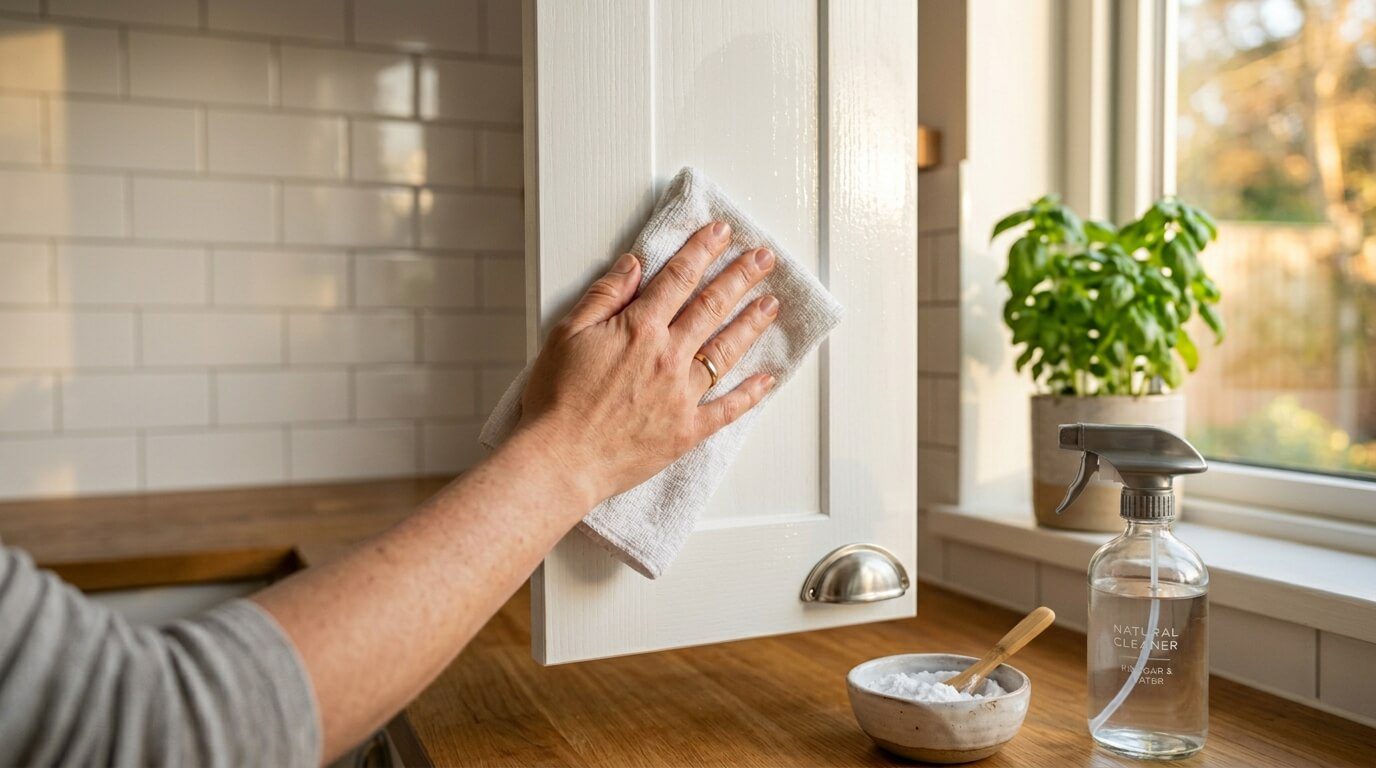

How to Remove Grease From Kitchen Cabinets: The Complete Guide
If you’ve ever stood in your kitchen and noticed that sticky, yellowish film coating your cabinet doors, you already know the frustration. Learning how to remove grease from kitchen cabinets is one of those essential household skills that saves you money, preserves your cabinetry, and honestly just makes your whole kitchen feel cleaner. That residue doesn’t appear overnight — it builds up slowly through months of cooking, splattering oils, and airborne grease particles that settle on every surface within reach. By the time you notice it, that layer can be surprisingly stubborn.
The good news? You don’t need harsh chemicals or expensive equipment to tackle this problem. In most cases, the best way to remove grease from kitchen cabinets involves solutions you probably already have sitting in your pantry or under your sink. Whether you’re dealing with light surface grease or a thick, tacky buildup that’s been accumulating for years, there’s an approach that works — and this guide walks you through every single one of them. I’ve tested most of these methods myself, and some of the results genuinely surprised me.
Beyond the cleaning itself, understanding why grease sticks and what it does to different cabinet finishes helps you choose the right method and avoid accidental damage. Wood, laminate, painted, and thermofoil cabinets all respond differently to cleaning agents — and what works beautifully on one surface can strip or warp another. Let’s break it all down so you can walk away with clean cabinets and the confidence to keep them that way.
Why Grease Builds Up on Kitchen Cabinets
Cooking releases microscopic oil droplets into the air — every sauté, every deep fry, every time you boil something with a lid off. These particles travel on heat currents and settle on the nearest horizontal and vertical surfaces: your stovetop hood, your backsplash, and especially the cabinet doors directly above and beside your range. Over time, these thin layers of grease polymerize — essentially, they bond together and harden — forming that sticky, paint-like coating that regular dish soap can barely touch.
Dust and airborne debris stick to that greasy film, making it even thicker. The darker the buildup looks, the longer it’s been sitting there, and the more effort it will take to remove. Cabinets near the stove are always the worst offenders, but depending on your kitchen layout and ventilation, even cabinets across the room can accumulate a noticeable film over a year or two.
Understanding this also explains why prevention matters just as much as cleaning. A good range hood, consistent wiping habits, and the right protective finish on your cabinets can dramatically reduce how often you need to do a deep clean. For more ideas on keeping your home clean more efficiently, check out our roundup of must-have cleaning gadgets that make routine maintenance genuinely easier.
According to the U.S. Environmental Protection Agency, cooking is one of the primary sources of indoor air pollutants — including airborne grease particles that settle on surrounding surfaces within minutes of cooking.
Best Products to Remove Grease From Kitchen Cabinets
Let’s talk about what actually works. The market is flooded with degreasers and all-purpose sprays, but not all of them are created equal — and some can genuinely damage your cabinet finish if used incorrectly. Here’s a breakdown of the most effective options at every price point.
| Budget Option | Mid-Range Option | Premium Option |
|---|---|---|
| Dish soap + warm water | Krud Kutter Kitchen Degreaser | Method Heavy Duty Degreaser |
| White vinegar solution | Zep Heavy-Duty Citrus Degreaser | Better Life Natural All-Purpose Cleaner |
| Baking soda paste | Simple Green All-Purpose Cleaner | Branch Basics Concentrate |
| Cost: $0–$3 | Cost: $5–$12 | Cost: $14–$28 |
| Best for: Light buildup, frequent cleaning | Best for: Moderate to heavy buildup | Best for: Sensitive finishes, eco-conscious households |
For most households, the mid-range options deliver the best combination of power and affordability. Krud Kutter in particular has developed a cult following among cleaning enthusiasts for a reason — it cuts through even heavily polymerized grease without requiring aggressive scrubbing. That said, if you prefer non-toxic solutions, the premium eco-friendly options are surprisingly effective and gentler on both your cabinets and your lungs.
If you’re committed to going green, we’ve got a detailed guide on the best eco friendly cleaning products that genuinely work — including several that tackle kitchen grease beautifully without any harsh fumes.
The best product to remove grease from kitchen cabinets isn’t always the most powerful — it’s the one that matches your cabinet’s finish. Always test any new cleaner on a hidden spot first, especially on painted or thermofoil surfaces that are vulnerable to peeling.
The Best Way to Remove Grease From Kitchen Cabinets: DIY Methods
You don’t have to spend a dime to get impressive results. In my experience, the best way to remove kitchen grease from cabinets often starts with pantry staples — and understanding which combination of ingredients to use for your specific situation. Here are the most reliable DIY methods, ranked from lightest to most heavy-duty.
How Do You Remove Grease From Kitchen Cabinets With Dish Soap?
This is your first line of defense and works well for regular maintenance cleaning or mild grease deposits. Mix a few drops of a grease-cutting dish soap — Dawn is the gold standard here — with warm water. The warmer the water, the better it works, because heat helps loosen polymerized grease. Dampen a soft cloth (not soaking wet — excess moisture is the enemy of wood cabinets) and wipe in the direction of the grain. Rinse with a clean damp cloth and dry immediately. For best results, do this every two to four weeks so grease never gets the chance to harden.
How to Remove Grease From Kitchen Cabinets With Baking Soda
For moderate buildup, baking soda is remarkably effective. Create a paste by mixing three parts baking soda with one part warm water — the consistency should be similar to thick toothpaste. Apply it directly to the greasy area and let it sit for five to ten minutes. The mild abrasiveness of the baking soda physically lifts the grease while the alkaline pH helps break it down chemically. Use a soft toothbrush or a non-scratch scrub pad to work it in gently, then wipe clean. This method is particularly satisfying on the areas around cabinet pulls and handles where grease concentrates.
Add a few drops of dish soap to your baking soda paste for extra grease-cutting power. The combination of mechanical abrasion (baking soda) and chemical degreasing (soap) is significantly more effective than either ingredient alone — especially on thick, sticky buildup.
Cleaning Hacks With Vinegar for Kitchen Grease
White vinegar is a powerhouse for cutting through light to moderate grease, and it’s one of the most popular cleaning hacks with vinegar that genuinely delivers results. Mix equal parts white vinegar and warm water in a spray bottle, spritz the cabinet surface, and let it sit for two to three minutes before wiping. The acetic acid in vinegar dissolves grease molecules and also kills most common kitchen bacteria as a bonus. One important caveat: never use vinegar on natural wood cabinets without a protective finish, on stone countertops, or on any surface where it might pool — the acid can strip finishes and damage wood over time.
For a deeper dive into all the ways vinegar can transform your cleaning routine, our guide on cleaning hacks with vinegar covers everything from cabinet grease to bathroom scum and beyond. It’s one of our most popular reads for a reason.
Best Cleaner to Remove Grease From Kitchen Cabinets by Cabinet Type
This is where many guides go wrong — they recommend a single solution for every cabinet type, and then readers end up with warped wood or peeling thermofoil. The best cleaner to remove grease from kitchen cabinets depends heavily on what your cabinets are made of. Here’s what you need to know.
How Do You Remove Grease From Kitchen Cabinets Made of Wood?
Solid wood and wood-veneer cabinets require the most care. Water is your biggest enemy — too much of it, left on the surface, will cause swelling, warping, and eventually cracking. For routine cleaning, a lightly dampened microfiber cloth with a drop of dish soap works well. For heavier buildup, Murphy’s Oil Soap diluted in warm water is a classic choice that cleans effectively while nourishing the wood. Always wipe dry immediately after cleaning and never let moisture sit. Avoid vinegar, ammonia-based cleaners, or anything abrasive on natural wood.
Speaking of microfiber cloths — they’re genuinely one of the most underrated cleaning tools. Unlike paper towels, they trap grease particles rather than just pushing them around. We recommend keeping a dedicated set for kitchen use; similar to what our team discusses in the context of microfiber car cloths, the same high-quality microfiber technology works exceptionally well on kitchen surfaces.
How to Remove Grease From Kitchen Cabinets With a Painted Finish
Painted cabinets are more delicate than many people realize, especially if the paint is latex-based. Use the mildest effective cleaner — usually dish soap and water — and avoid anything abrasive. Baking soda paste can dull a painted finish if scrubbed too vigorously. A product like Simple Green All-Purpose Cleaner diluted to half strength is a safe, reliable option. Always use soft cloths, never scouring pads, and rinse thoroughly to avoid soap residue, which attracts more grease over time.
Never use bleach, ammonia, or undiluted vinegar on painted cabinet finishes. These can cause discoloration, strip the paint, and permanently damage the surface. Always dilute cleaners and test on an inconspicuous spot before applying to visible areas.
Laminate and Thermofoil Cabinets
These synthetic finishes are actually quite easy to clean — but they have one major vulnerability: heat and moisture getting beneath the surface layer can cause delamination. Use a spray degreaser like Krud Kutter, spritzed onto your cloth rather than directly onto the cabinet, and wipe in gentle, even strokes. Avoid steaming or using very hot water. These surfaces respond well to vinegar solutions as long as you don’t let them sit too long. Dry thoroughly after cleaning to prevent moisture from seeping into seams.
Does WD-40 Remove Grease From Kitchen Cabinets?
This question comes up constantly, and the answer is more nuanced than a simple yes or no. Does WD-40 remove grease from kitchen cabinets? Technically, yes — WD-40 is a solvent, and it can loosen and lift hardened grease deposits, especially the super-stubborn, dark-colored buildup that’s been on there for years. The “WD” in WD-40 actually stands for “Water Displacement,” and the product contains a blend of lubricating oils and solvents that can break down other oils and greases on contact.
However, there’s a significant catch. WD-40 leaves behind an oily residue that you must fully remove afterward — otherwise, you’ve just swapped one sticky film for another. If you use it, spray a small amount onto a cloth (never directly on the cabinet), rub gently over the greasy area, then follow up immediately with a dish soap and water wash to remove every trace of the WD-40 itself. Rinse and dry thoroughly. It’s an effective last resort for truly stubborn spots, but it’s not a practical everyday cleaning solution.
In my experience, a paste of baking soda and dish soap handles even the worst grease buildup without the extra cleanup step that WD-40 requires. Save WD-40 for what it does best — squeaky hinges and stuck drawer tracks.
For heavy grease buildup that’s been baked on for years, try warming the area slightly with a hairdryer on low heat for 30 seconds before applying your cleaner. Gentle heat softens polymerized grease and makes it significantly easier to wipe away — no harsh chemicals required.
How to Remove Grease From Kitchen Walls
How to Remove Grease From Kitchen Walls Without Damaging Paint
Kitchen walls — especially those near the stove and oven — collect the same airborne grease as your cabinets, but the stakes are different because most walls are painted with flat or eggshell latex paint, which is far more delicate than cabinet finishes. How to remove grease from kitchen walls without damaging paint comes down to one principle: use the gentlest effective method and never scrub aggressively.
Start with the vinegar-and-water solution (equal parts) in a spray bottle. Mist the affected wall section lightly, let it sit for two minutes, and then wipe with a soft, damp microfiber cloth using gentle circular motions. For more stubborn spots, a paste of baking soda and a tiny drop of dish soap applied with a soft sponge and rinsed clean works remarkably well. The key is to rinse the wall with clean water afterward and pat dry — soap residue left on walls attracts dust and grease, creating a self-perpetuating problem.
For walls with a semi-gloss or satin finish (which are more common in newer kitchens specifically because they’re easier to clean), you can be slightly more aggressive — a diluted all-purpose degreaser on a cloth will handle most buildup quickly. According to HGTV’s kitchen cleaning guides, semi-gloss paint is the recommended finish for kitchen walls precisely because of its resistance to grease and moisture.
When cleaning grease off walls, always work from the bottom up — this prevents dirty drips from running over areas you’ve already cleaned. Finish by wiping from top to bottom with a clean, damp cloth for a streak-free result.
Common Mistakes to Avoid When Removing Kitchen Cabinet Grease
Even with the right products, there are several ways to accidentally make things worse. After testing many of these methods — and making a few of these mistakes myself — here’s what to watch out for.
Using Too Much Water on Wood Cabinets
This is the number one mistake people make. Wood cabinets can handle moisture in very small amounts, but a soaking wet cloth held against the surface for even thirty seconds is enough to start swelling the wood fibers. Always wring your cloth out thoroughly before it touches wood, work in small sections, and dry immediately. If you see any water pooling in joints or corners, wipe it out immediately with a dry cloth.
Scrubbing With Abrasive Materials
Steel wool, rough scouring pads, and even some textured sponges will scratch and dull cabinet finishes — sometimes permanently. The temptation to scrub harder when something isn’t coming off is understandable, but it almost always causes more damage than the grease itself. Switch to a softer tool, a stronger cleaning solution, or the warm-hairdryer trick instead.
Spraying Cleaner Directly Onto Cabinets
Always spray onto your cloth, not onto the cabinet. Direct spraying sends liquid into seams, hinges, and gaps where it can sit undetected and cause swelling or rust. It also creates overspray that lands on floors and nearby surfaces. The spray-onto-cloth method gives you much more control and uses less product overall.
Skipping the Rinse Step
Leaving soap or cleaning solution residue on cabinet surfaces is a surprisingly common mistake. That residue acts like a magnet for dust and new grease particles, meaning your cabinets get dirty again faster. After every cleaning session, go over the surface once more with a barely damp clean cloth to remove any cleaner residue, then dry thoroughly.
Using the Same Cloth for the Entire Kitchen
A cloth that’s already saturated with grease just redistributes it. Swap to a fresh cloth when yours starts feeling greasy, or rinse it under hot water and wring it out before continuing. This is one area where having plenty of good microfiber cloths on hand makes a genuine difference. A quality vacuum also helps with overall kitchen cleanliness — if you haven’t upgraded yours lately, our guide to the best cordless vacuum for pet hair covers some excellent options that work just as well for kitchen floor crumbs and debris between deep cleans.
Longevity & Maintenance: Keeping Cabinets Grease-Free Longer
The best cleaning routine is the one that prevents the problem from getting out of hand in the first place. A few simple habits can dramatically reduce how often you need to do a deep degreasing session — and extend the life of your cabinet finish for years.
How Do You Remove Grease From Kitchen Cabinets Before It Hardens?
The answer is: regularly, and with very little effort. A quick wipe-down with a damp microfiber cloth after every few cooking sessions — especially after frying or sautéing at high heat — prevents grease from polymerizing and bonding to the surface. Fresh grease comes off in seconds. Polymerized grease that’s been there for a year takes twenty minutes and real effort. The math on prevention is obvious.
Beyond wiping, consider applying a thin coat of furniture polish or cabinet wax to your clean cabinet doors every three to four months. This creates a slick, slightly hydrophobic surface that grease particles have a harder time adhering to — and makes future cleaning much easier. Howard Feed-N-Wax and Old English Scratch Cover are both popular, affordable options for wood cabinets.
The Consumer Reports range hood buying guide recommends using your range hood fan every time you cook — not just when things get smoky. Running the fan consistently is one of the most effective ways to reduce the volume of grease particles that settle on your cabinets, walls, and ceilings over time.
Establishing a Cleaning Schedule
Think of kitchen cabinet cleaning in three tiers. Weekly: a quick wipe of the cabinet faces nearest the stove with a damp cloth. Monthly: a full wipe-down of all cabinet doors with your preferred cleaning solution. Quarterly: a deep clean using baking soda paste or a commercial degreaser, followed by a protective wax or polish. This tiered approach means no single session ever becomes overwhelming, and your cabinets stay in genuinely great condition year-round. If your kitchen cleaning kit needs an upgrade, our guide to the best eco friendly cleaning products has everything you need to build a sustainable, effective cleaning arsenal without harsh chemicals.
Frequently Asked Questions
How to remove grease from kitchen cabinets without damaging the finish?
The safest approach is to always start with the mildest effective cleaner and work your way up only if needed. For most cabinet finishes, a few drops of dish soap in warm water applied with a soft microfiber cloth is sufficient for routine grease removal. For heavier buildup, a baking soda and water paste applied gently with a soft cloth or toothbrush works well without the risk of chemical damage.
Always test your chosen cleaner on a hidden spot — inside a cabinet door or on the back of a drawer — before applying it to visible surfaces. Avoid anything abrasive or acidic on painted, natural wood, or thermofoil cabinets. Rinse and dry thoroughly after every cleaning session to prevent moisture damage and soap residue buildup.
How do you remove grease from kitchen cabinets that have been there for years?
Old, hardened grease requires a slightly more aggressive approach than fresh residue. Start by warming the area gently with a hairdryer on low heat for about 30 seconds to soften the polymerized grease. Then apply a baking soda and dish soap paste, let it sit for 10 to 15 minutes, and work it in with a soft toothbrush using small circular motions.
For extremely stubborn deposits, a commercial degreaser like Krud Kutter or a diluted orange oil cleaner will cut through even years-old buildup. If you use WD-40 on the worst spots, remember to follow up immediately with a thorough dish soap and water wash to remove the oily residue. Patience is key — multiple applications are better than scrubbing too hard and damaging the finish.
How do you remove grease from kitchen cabinets made of wood specifically?
Wood cabinets require the most care because excess moisture is their primary enemy. For routine cleaning, a cloth dampened with warm water and a drop or two of dish soap — wrung out thoroughly so it’s barely damp — is the safest method. Wipe in the direction of the wood grain and dry immediately with a separate clean cloth.
For heavier grease buildup on wood, Murphy’s Oil Soap diluted in warm water is an excellent choice — it cleans effectively while conditioning the wood. Avoid vinegar, bleach, ammonia, and anything abrasive. After cleaning, consider applying a light coat of cabinet wax or wood polish to protect the surface and make future grease removal easier.
How to remove grease from kitchen walls without stripping paint?
The key to removing grease from kitchen walls without damaging paint is using gentle cleaners and soft cloths. Start with a solution of equal parts white vinegar and warm water in a spray bottle, applied lightly to a microfiber cloth rather than sprayed directly on the wall. Wipe gently in circular motions and rinse with a clean damp cloth.
For flat or eggshell paint — which is far more delicate than cabinet finishes — err on the side of caution and avoid baking soda paste, as it can dull the finish. Walls with semi-gloss or satin paint can handle slightly stronger solutions like diluted dish soap or a mild all-purpose cleaner. Always work from the bottom of the greasy area upward to prevent drips, and rinse thoroughly to remove all soap residue.
What is the best way to remove kitchen grease that keeps coming back?
If grease seems to reappear quickly after cleaning, the most likely culprit is inadequate ventilation. Running your range hood fan consistently while cooking — not just when things get smoky — dramatically reduces the volume of airborne grease particles that settle on surfaces. If your range hood doesn’t have a fan, or if it’s undersized for your stove, this is worth addressing as a long-term solution.
Also, check whether you’re leaving soap residue on your cabinets after cleaning — residue attracts new grease and dust faster than a clean surface. Rinse with a clean damp cloth after every cleaning session. Applying a cabinet wax or polish every few months creates a protective barrier that makes grease much less likely to bond strongly to the surface.
Does WD-40 remove grease from kitchen cabinets effectively?
WD-40 can remove grease from kitchen cabinets, particularly old, hardened deposits that other methods struggle with. As a solvent-based product, it dissolves and lifts polymerized grease effectively. However, it leaves behind an oily residue that must be completely removed afterward, or you’ll simply be replacing one type of film with another.
If you use WD-40, apply a small amount to a cloth and rub it over the greasy area, then immediately follow with a thorough wash using dish soap and warm water. Rinse and dry completely. Given the extra step involved, most people find that a baking soda and dish soap paste achieves similar results on stubborn grease without the need for a secondary cleanup. WD-40 is best reserved for the most extreme cases of hardened buildup.
What is the best product to remove grease from kitchen cabinets?
The best product to remove grease from kitchen cabinets depends on your cabinet type and the severity of the buildup. For light to moderate grease on most surfaces, a mixture of dish soap and warm water — particularly Dawn, which is formulated specifically to cut grease — is hard to beat for its safety, effectiveness, and low cost.
For heavier buildup, Krud Kutter Kitchen Degreaser is widely considered the best value commercial option, while Method Heavy Duty Degreaser and Branch Basics are excellent choices for those who prefer plant-based, non-toxic formulas. Always check that your chosen product is safe for your specific cabinet finish before applying it broadly, and test in a hidden area first.
How often should I clean kitchen cabinets to prevent grease buildup?
A three-tier approach works best. For cabinets nearest the stove, a quick wipe with a damp cloth after every few cooking sessions — especially after frying — prevents fresh grease from having the chance to harden. This takes less than a minute and makes a massive difference in how clean your cabinets stay over time.
Once a month, do a more thorough wipe-down of all cabinet doors using your preferred cleaning solution. And every three to four months, do a full deep clean using a degreaser or baking soda paste, followed by applying a protective cabinet wax. This tiered routine keeps cabinets looking great year-round and means no single session ever becomes an overwhelming project.
Final Thoughts: Clean Cabinets, Healthier Kitchen
Knowing how to remove grease from kitchen cabinets — and doing it regularly — is one of the highest-impact maintenance habits you can build as a homeowner. Grease buildup isn’t just unsightly; over time, it damages finishes, attracts pests, and can even become a fire hazard near heat sources. The good news is that with the right techniques and a consistent routine, this is completely manageable for any kitchen and any budget.
Whether you’re reaching for white vinegar and baking soda or a commercial degreaser, the principles are the same: use the gentlest effective method, protect your specific cabinet finish, rinse thoroughly, dry completely, and don’t let too much time pass between cleanings. Prevention is always easier than remediation. A two-minute wipe after a cooking session beats a two-hour deep clean every single time.
If this guide sparked your interest in getting your whole home cleaner and more organized, you’ll want to explore our deeper resources on smart cleaning strategies, eco-conscious products, and the tools that make it all faster and easier. There’s a lot more to discover when it comes to keeping your home in great shape — and it doesn’t have to feel like a chore.