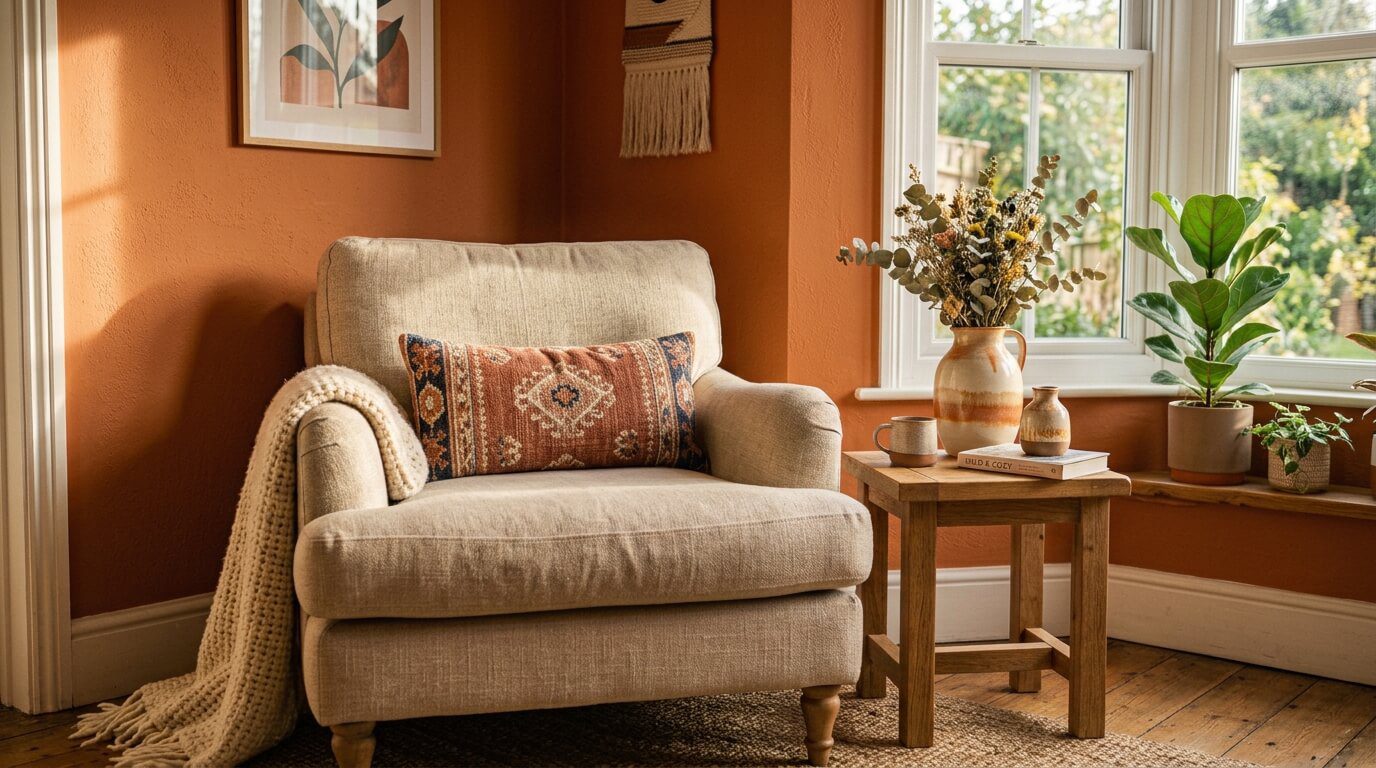

Cozy Wall Colors: The Complete 2026 Guide to a Warmer, Softer Home
If you’ve ever walked into a room and immediately felt your shoulders drop, there’s a good chance the wall color had something to do with it. Choosing the right cozy wall colors is one of the fastest, cheapest ways to transform a house that feels sterile into one that feels like home. I’ve repainted more rooms in my own house than I’d like to admit while chasing that exact feeling, and I can tell you the difference between a “fine” room and a genuinely warm one almost always comes down to undertone, not just the color on the swatch.
Cozy wall colors are warm, muted, earth-inspired paint shades — think soft terracotta, warm taupe, deep olive, and dusty rose — that visually lower a room’s “temperature” and make a space feel intimate rather than cold or clinical. They work by reflecting warm light back into the room and pairing well with natural materials like wood, linen, and wool. The effect is immediate: walls feel closer, lighting feels softer, and the whole room reads as more lived-in.
This guide walks through everything I’ve learned about picking cozy wall colors for every room in the house, what actually makes a color feel “cozy” versus just dark, and the mistakes that trip up even experienced DIYers. Whether you’re repainting a single accent wall or planning a whole-house refresh, you’ll walk away with a clear shortlist of shades and a plan for testing them properly before you commit a single roller to the wall.
The Science Behind Cozy Wall Colors
There’s actual psychology behind why certain colors feel warm and others feel cold, and it’s not just marketing language from paint brands. Warm hues such as reds, oranges, and yellows typically stimulate and energize people, while cooler tones like blues and greens have a calming, more detached effect. That’s the foundational principle behind every cozy room wall color recommendation you’ll see in this guide — we’re leaning into pigments that sit on the warm half of the color wheel, even when they’re muted into something as quiet as a greige or a dusty clay.
Lighting changes everything, too. Light Reflectance Value (LRV) describes how much light a color bounces back into a room — lighter shades make spaces feel larger and brighter, while darker colors absorb more light and add a sense of depth. A cozy wall color usually sits in the low-to-mid LRV range, deep enough to feel enveloping but not so dark that the room loses all its light. In my own dining room, I learned this the hard way after painting a deep navy that looked moody and rich in photos but felt like a cave once the sun went down.
Research on lighting and color found that participants experienced more tension and lower visual comfort in red-toned rooms compared to neutral white spaces — a good reminder that “warm” doesn’t mean “as saturated as possible.” The coziest rooms usually use warmth in moderation.
This is also why undertone matters more than the color name on the paint chip. Two grays can look completely different once they hit your wall — one might lean green and feel sterile, while another leans warm brown and feels grounded. When I’m choosing cozy wall paint colors for a client or my own house, I always tilt the swatch under both daylight and a warm lamp before deciding, because LED bulbs and natural light render the exact same pigment very differently.
Best Cozy Bedroom Wall Colors
Bedrooms are where cozy wall colors do their heaviest lifting, since this is the one room where the entire goal is winding down. The trend for 2026 has moved decisively away from cool grays and into richer, more grounded tones. Cool-toned grays and beiges, once the default for bedrooms, are being replaced by warmer, more characterful hues as designers push back against rooms that “hedge their bets.”
For cozy bedroom wall colors specifically, I keep coming back to three families: warm browns, muted clays, and soft sage greens. Designers are leaning into deep, warm brown tones like chocolate or mushroom brown for bedrooms this year, with one interior designer noting that warm brown can feel “incredibly chic, cozy, and grounding” while still reading as sophisticated rather than dark. If brown feels too heavy for your space, a soft terracotta or clay tone gives a similar sense of warmth with a bit more light bounce.
What is the best wall color for a cozy bedroom?
There isn’t a single “best” cozy bedroom wall color, but warm, mid-toned neutrals with a brown, clay, or green undertone consistently test best for sleep-friendly coziness. A University of Georgia study found that sage green walls were associated with more extended and meaningful social interaction, and similar earthy greens are often credited with reducing anxiety in a space — which is part of why sage and olive have become such reliable choices for bedrooms specifically. I’d personally pair a sage or warm taupe wall with linen bedding and a couple of brass fixtures; it’s a combination that photographs well and feels even better in person.
Paint a 2×2-foot sample board instead of testing directly on the wall. Move it around the room across a full day — north-facing corners often pull cooler than south-facing walls, even with the exact same can of paint.
If you’re drawn to something bolder, deep burgundy and plum have also become popular cozy bedroom wall colors this year, particularly in older homes with crown molding or wainscoting that can visually “hold” a darker tone without making the room feel cramped.
Cozy Living Room Wall Colors That Work
Living rooms ask a little more of a color than bedrooms do, since they need to feel relaxed for a quiet evening and energetic enough for guests. The best cozy wall colors for living room spaces tend to be warm neutrals — think warm greige, soft khaki, or a muted terracotta — that act as a backdrop rather than the main event.
Living rooms are trending softer and more relaxed in 2026, with warm greige shades creating a cozy backdrop while deeper hues add sophistication when used on accent walls or built-ins. That layered approach — a warm neutral on the main walls with one deeper, richer tone on a single feature wall — is honestly one of the easiest ways to get a designer-looking result without repainting an entire room in a bold color you might tire of.
What colors make a living room feel cozy?
Warm neutrals, terracotta, deep olive, and warm charcoal all reliably make a living room feel cozier, especially when paired with layered lighting and natural textures. Natural materials like walnut or oak, leather, boucle, velvet, and linen amplify the richness of a warm wall color and are a key part of what design writers are calling the “comfortcore” aesthetic for 2026. In practice, this means your paint choice is only half the equation — a warm wall color next to a cold, glossy black coffee table won’t read nearly as cozy as the same wall paired with a wool rug and a wood side table.
Be careful with deep, saturated colors in living rooms with limited natural light. A dark olive or charcoal can look stunning in a sun-drenched showroom photo and feel oppressive in a room that only gets afternoon light for two hours.
For an accent wall specifically, I tend to recommend choosing the color behind the sofa or fireplace rather than the wall directly opposite the entry — it reads as intentional rather than like you ran out of the lighter paint halfway through the room.
Top Cozy Wall Paint Colors to Try in 2026
Paint brands have clearly read the room this year. Major paint brands are leaning warm for 2026, blending cozy greens, creamy neutrals, and a few moody darks into their flagship collections, with cooler, icier blues and greens from recent years giving way to earthier shades touched with yellow or brown. Below are a few standout cozy wall paint colors worth sampling, organized by mood.
Warm Khaki / Sandy Neutral
Khaki-leaning neutrals have become a foundation color for 2026 interiors, prized for their warmth and ability to anchor natural materials like stone and wood without feeling cold or sterile. Great as a whole-house base color.
Warm Mahogany / Burnt Terracotta
A sumptuous red-orange softened by earthy brown undertones works especially well in intimate spaces like bedrooms, as well as dining rooms, and pairs naturally with walnut, leather, boucle, and linen for added richness.
Cozy Sage / Earthy Olive
Earthier blue-green shades touched with brown have replaced the icier sage tones of past years, giving rooms a grounded, almost outdoorsy warmth without leaning too cool.
One long-tail favorite worth calling out specifically: cozy wall paint colors with a pink or blush undertone have quietly become one of the most requested shades I get asked about. Warm-leaning pinks create a stimulating but still cozy-feeling space, while cooler pinks lean more calming — and pastel pink walls have moved from “trendy fashion color” into genuine bedroom staples this year.
Cost Breakdown: Painting a Cozy Room
One question I get constantly is what it actually costs to repaint a room in one of these warmer tones. The honest answer is that cozy wall colors don’t cost more than any other paint color — your spend depends on room size, paint quality, and whether you DIY or hire it out.
| Item | Budget Option | Mid-Range | Premium |
|---|---|---|---|
| Paint (per gallon) | $25–$35 | $45–$60 | $70–$110 |
| Primer (if needed) | $18–$25 | $25–$35 | $35–$50 |
| Brushes & rollers | $10–$15 | $20–$30 | $40+ |
| Painter’s tape & drop cloths | $10 | $15–$20 | $25+ |
| Professional labor (per room) | $150–$250 | $300–$450 | $500–$800+ |
For a standard 12×14 bedroom, I generally budget for two gallons of paint to get full, even coverage in a deeper cozy tone — lighter colors can sometimes get away with one and a half. If you’re going from a dark wall to a lighter cozy neutral, don’t skip primer; it’s the difference between two coats and four.
Common Mistakes to Avoid
I’ve made most of these mistakes myself at some point, so consider this the shortcut version of my trial and error.
- Choosing a color from a tiny paint chip instead of a large sample board tested in your actual room
- Ignoring your home’s existing light temperature — cool LED bulbs can make a warm wall color look muddy
- Going too dark in a room with limited natural light, which can make a small space feel smaller rather than cozier
- Skipping primer when painting over a previous dark or glossy wall color
- Forgetting to coordinate wall color with existing flooring, especially cool-toned gray floors that clash with warm wall tones
The single biggest mistake isn’t the color itself — it’s skipping the sample-board test under your room’s actual lighting. A color that looks perfect on a screen or in a showroom can shift dramatically once it’s on your specific walls.
Longevity & Maintenance for Cozy Painted Walls
Cozy wall colors, especially in the deeper terracotta and olive range, tend to show scuffs less than bright whites, which is a nice side benefit if you have kids or pets. That said, matte and eggshell finishes — the most common choice for these warmer tones — aren’t as wipeable as satin or semi-gloss.
For high-traffic rooms like hallways or living rooms, I’d recommend an eggshell or satin finish in your chosen cozy color rather than a flat matte, since it holds up much better to spot-cleaning without burnishing. A quick once-a-year touch-up around light switches and doorframes will keep the color looking fresh for years without a full repaint.
Frequently Asked Questions
What is the best wall color for a cozy bedroom?
Warm, mid-toned neutrals with a brown, clay, or sage undertone tend to test best for cozy bedrooms. These tones absorb just enough light to feel enveloping without making the room feel dark or small, and they pair naturally with linen bedding, wood furniture, and warm-toned lighting.
What colors make a living room feel cozy?
Warm neutrals like greige or khaki, along with deeper accent tones such as terracotta or olive, are the most reliable cozy living room wall colors. Pairing these shades with natural textures like wool, leather, and wood amplifies the warm effect far more than the paint color alone.
Do dark wall colors actually make a room feel cozier, or just smaller?
It depends heavily on the room’s natural light and ceiling height. In a well-lit room with high ceilings, a deep warm color can feel rich and enveloping; in a small, dim room, the same color can feel cramped rather than cozy. If you’re unsure, test a sample board across a full day before committing.
How many coats of paint do cozy wall colors usually need?
Most deeper cozy tones need two full coats for even coverage, and sometimes a third if you’re painting over a much lighter existing color. Using a tinted primer that’s closer to your final color can reduce this to two coats in most cases.
Should I match wall color to my furniture or choose the wall color first?
I generally recommend choosing your largest, hardest-to-change item first — usually flooring or a major furniture piece — and building the wall color around that. It’s far easier to swap a paint can than to replace a sofa or refinish hardwood floors if the tones clash.
Are warm whites considered cozy wall colors?
Yes, a warm white with cream or beige undertones can absolutely read as cozy, especially when paired with warm lighting and natural materials. The key is avoiding stark, blue-leaning whites, which tend to feel clinical rather than warm regardless of the room’s décor.
What finish is best for cozy wall colors — matte, eggshell, or satin?
Eggshell is generally the best all-around finish for cozy wall colors, balancing a soft, warm look with enough durability for spot-cleaning. Matte finishes look beautiful but show marks more easily, while satin can read slightly too shiny for a cozy aesthetic in low light.
Can I use cozy wall colors in a small apartment without making it feel cramped?
Yes, but lean toward mid-tone warm neutrals rather than the deepest shades in the cozy palette. Pairing a warm neutral wall with light-colored furniture and good layered lighting keeps the room feeling open while still delivering that warm, lived-in feeling.
More Questions Answered
What undertone makes a wall color feel warm versus cold?
Warm undertones lean yellow, orange, or red, while cold undertones lean blue, green, or purple. Even within the same “gray” or “white” paint family, the underlying undertone is what determines whether the color reads as cozy or sterile.
Is terracotta still a popular cozy wall color in 2026?
Yes, terracotta and clay-inspired tones remain strong for 2026, particularly in burnt-orange and reddish-brown variations. They’re especially popular for bedrooms and dining rooms where a sense of warmth and intimacy is the goal.
How do I know if a cozy wall color will look too dark in my room?
Check the paint’s Light Reflectance Value (LRV) — lower numbers absorb more light and read darker once on the wall. As a rough guide, rooms with limited natural light generally do better with colors in the mid-range LRV rather than the lowest end of the scale.
Do cozy wall colors work well with cool-toned gray flooring?
They can, but it takes a bit more care in color selection. Leaning toward warm-neutral wall colors with a slight gray undertone of their own — rather than a pure terracotta or olive — usually bridges the gap between warm walls and cool floors more smoothly.
Bringing It All Together
At the end of the day, cozy wall colors are less about chasing a specific trending shade and more about understanding warmth, undertone, and how your specific room’s light behaves throughout the day. Start with a sample board, test it morning and night, and don’t be afraid to let one room go a little bolder than the rest of the house — that’s usually where the coziest results show up.
Once your walls are sorted, the easiest next upgrades are layering in texture and light. If you’re looking for what to do next, consider pairing your new color with some minimalist wall decor to keep the room feeling calm rather than cluttered, adding a few artificial plants for home decor for a low-maintenance pop of life, and layering in some warm-toned LED lights for your living room to make sure your new cozy wall paint colors actually read warm after the sun goes down.
If you want to keep exploring the broader topic, our modern home decor guide is a good next stop, and if you’re working on a more rustic or eclectic space, even unexpected accents like affordable horse rugs for the home can complement a warm, earthy wall color beautifully. Whatever direction you take it, the goal is the same: a room that feels like it was made to be lived in.