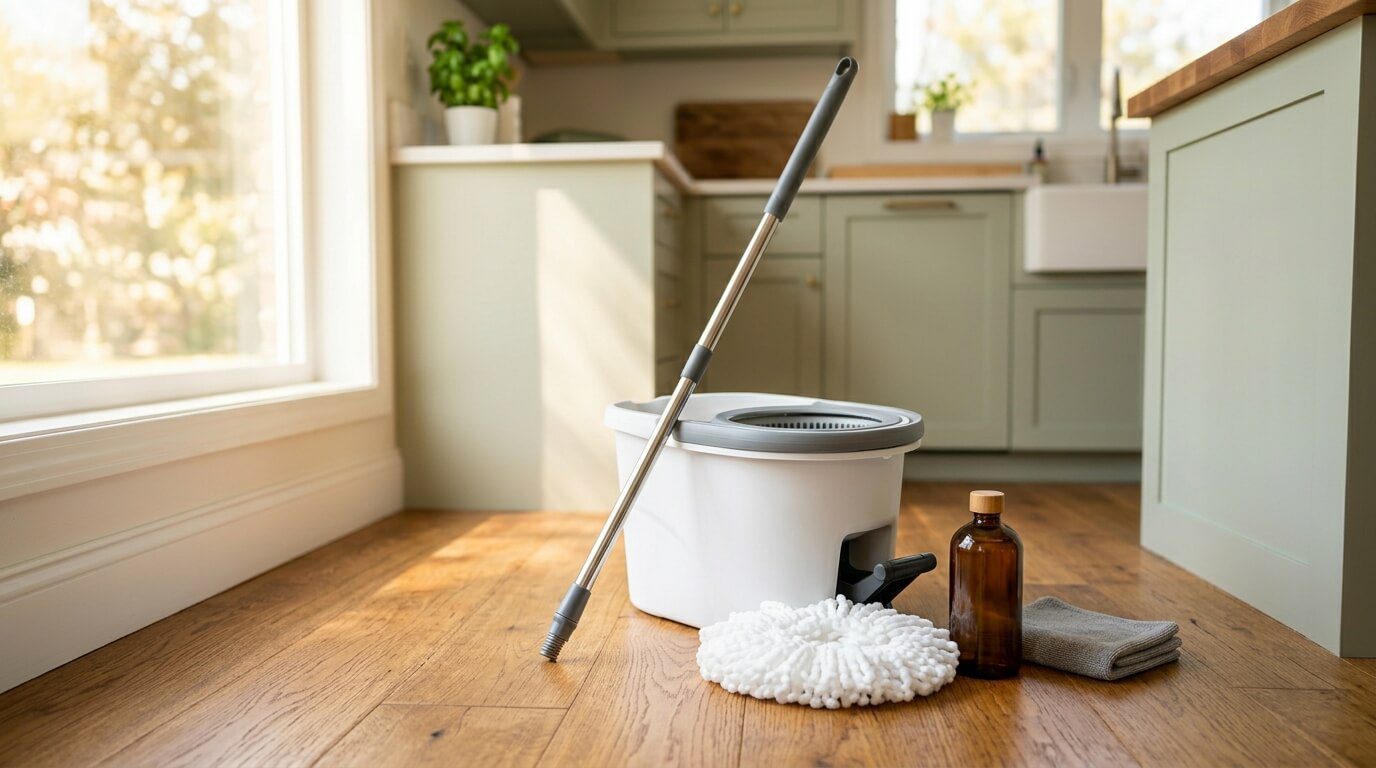

Mop and Bucket: The Complete Guide to Choosing, Using, and Maintaining the Best Set
A mop and bucket might seem like the most straightforward cleaning tool in any home — yet most people have never given serious thought to whether they’re using the right type. Walk into any superstore and you’ll find an entire aisle devoted to mop and bucket sets, each promising effortless, streak-free floors. The truth? The difference between a great mop-and-bucket combo and a frustrating one can mean the difference between floors that look genuinely clean and floors that just look wet.
Over the years, flooring types have diversified wildly — from polished hardwood and large-format porcelain tiles to luxury vinyl plank and textured stone. Each surface has its own mopping preferences, and the bucket system you pair with your mop directly impacts how much dirty water ends up back on your floor. Whether you’re after a heavy-duty spin mop and bucket for weekly whole-house cleans, a slim flat mop and bucket set for quick kitchen sweeps, or simply trying to understand what makes one set worth the extra money, this guide has you covered — completely.
In my experience, once you match the right mop to the right surface and the right wringing system to the right job, cleaning floors stops feeling like a chore and starts feeling oddly satisfying. Let’s break this all the way down.
Types of Mop and Bucket Sets Explained
The market has evolved dramatically from the old-school cotton string mops in a plain plastic bucket. Today, a bucket and mop setup comes in several distinct categories, each built around a different cleaning philosophy. Understanding the distinctions upfront saves you from buying a set that works brilliantly for a neighbor’s kitchen but leaves your hardwood floors worse off than before.
Here are the main categories you’ll encounter:
- String Mop & Bucket: The traditional choice. Heavy-duty absorbency makes it ideal for large commercial-style spaces, but wringing by hand or with a simple clamp wringer leaves a lot of moisture on the floor.
- Spin Mop & Bucket: Features a built-in centrifugal spinning basket that wrings the mop head with a foot pedal or handle press — almost completely hands-free.
- Flat Mop & Bucket: Uses a rectangular pad and a bucket with a built-in wringer. Low-profile design gets under furniture effortlessly and leaves floors nearly dry.
- Steam Mop: Technically a standalone unit, though some come with small reservoir buckets. Uses heat rather than cleaning solution — worth considering alongside traditional sets.
- Sponge Mop & Bucket: A foam sponge head with a squeeze lever. Good for bathroom tile and small kitchens, though the sponge can harbor bacteria if not replaced regularly.
According to the U.S. Environmental Protection Agency, damp mopping that leaves too much water on floors — especially wood — can promote mold growth beneath the surface within 24–48 hours. A high-efficiency wringing system isn’t just convenient; it’s genuinely protective.
Each type of mop and bucket set has its natural home (pun intended). The key is matching the system to your floor type and your cleaning habits rather than defaulting to whatever is cheapest on the shelf.
Why the Spin Mop and Bucket Set Changed Everything
If you’ve never used a spin mop and bucket set, you’re missing one of the most genuinely useful cleaning innovations of the past two decades. The concept is simple but transformative: a bucket equipped with a spinning basket mechanism allows you to control moisture with precision. You dip the mop head into the clean water side, then press the foot pedal or pull the handle to spin the head at high speed — centrifugal force removes the majority of water, leaving the mop just damp enough to clean without soaking.
This matters enormously for homes with hardwood, laminate, or luxury vinyl plank flooring, where excess water is the enemy. A spin mop and bucket lets you go from room to room without swapping out water nearly as often, because the mop never drops large volumes of dirty water back onto the floor the way a hand-wrung string mop does.
Popular options in the spin mop and bucket set category include brands like O-Cedar, Vileda, and Hurricane, all of which have refined the two-chamber bucket design — separating clean water from the wringing basket so dirty water never contaminates your clean supply. High-end sets go even further, offering 360-degree swivel mop heads that pivot around furniture legs and into tight corners without you needing to change your grip.
When using a spin mop and bucket set on hardwood or laminate, add just half the recommended cleaning solution — or better yet, a splash of white vinegar in warm water. This keeps the mop head damp rather than wet and avoids the cloudy film that strong detergents leave behind. If you’re looking to go greener, pairing your routine with eco friendly cleaning products makes a real difference to both your floors and your household footprint.
One thing I’ve learned after testing several sets: the replacement mop head availability matters as much as the initial quality. Before buying any spin mop and bucket set, check that replacement heads are sold separately, are widely available, and are machine washable. Some cheaper sets use proprietary head designs that become impossible to source after a year.
Flat Mop and Bucket Set: Slim, Fast, and Surprisingly Effective
The flat mop and bucket set has become a genuinely beloved tool in modern homes — particularly those with open-plan layouts, lots of under-furniture space to navigate, and people who find mopping an interruption rather than a ritual. Where a spin mop and bucket set excels at deep, whole-house cleans, a flat mop and bucket set is the tool you reach for on Tuesday evening when the kitchen just needs a quick once-over.
Flat mop systems typically use a rectangular microfiber pad — either disposable or reusable — that attaches to a lightweight frame via Velcro or clip-in mechanisms. The corresponding bucket is narrow and includes a wringer slot or squeezing mechanism sized precisely for the flat pad. Because the pad has such a large surface contact area, it picks up both dust and liquid remarkably efficiently.
Microfiber flat pads are especially worth noting here. A quality microfiber pad contains thousands of tiny loops per square inch that trap dirt, bacteria, and grease at a microscopic level — often without needing any cleaning product at all. For light daily maintenance, a damp microfiber flat mop leaves tile and hardwood gleaming. The same technology that makes microfiber car cloths so effective at picking up fine particles applies perfectly to floor cleaning pads.
A flat mop and bucket set is the ideal secondary mop in any home — kept ready for daily top-up cleaning between deeper weekly sessions with a spin mop. Owning both types isn’t extravagant; it’s genuinely practical floor management.
How to Use a Mop and Bucket the Right Way
How to Use a Mop and Bucket: Step-by-Step
Even if you’ve been mopping floors since childhood, there’s a reasonable chance you picked up some habits that are actually reducing your results — or damaging your floors over time. Here’s the correct process for using a traditional or spin-style mop and bucket, stripped of shortcuts:
- Sweep or vacuum first — always. Mopping over loose debris just redistributes it. Run a broom, dust mop, or vacuum (ideally a best cordless vacuum for pet hair if you have animals) before any wet mopping begins.
- Fill with warm water — not hot. Very hot water can strip certain floor finishes and causes some cleaning solutions to break down too rapidly.
- Add the right amount of cleaning solution. More is not better. Most floor cleaners call for 1–2 capfuls per gallon. Excess soap leaves a sticky residue that attracts more dirt.
- Wring thoroughly before touching the floor. Whether you’re using a clamp wringer, spin mechanism, or hand twist, the mop head should feel damp — not dripping.
- Mop in a figure-eight pattern. This overlapping motion is far more efficient than straight back-and-forth strokes. It picks up more dirt per pass and reduces streaking.
- Work backward from the far corner toward the exit. The classic rule: never mop yourself into a corner. Start at the wall opposite the door.
- Change the water before it looks dark. Dirty mop water pushed around the floor isn’t cleaning — it’s redistribution. In a typical 3-bedroom home, change the bucket water at least once mid-session.
- Allow floors to dry fully before walking on them. For wood and laminate, open windows or run a fan to speed drying. Sitting water is the enemy.
If you’re interested in natural cleaning solutions that complement this process, cleaning hacks with vinegar offer some surprisingly powerful alternatives to commercial floor cleaners — particularly for tile and sealed stone surfaces.
How to Use a Spin Mop and Bucket for Maximum Effectiveness
How to Use a Spin Mop and Bucket: Getting the Technique Right
The spin mop and bucket operates on the same fundamental principles as any mop — but the spinning mechanism introduces a few technique adjustments worth understanding before your first use.
First, familiarize yourself with the bucket’s two zones. Most spin mop and bucket sets feature a divided bucket: a larger water reservoir on one side, and a spinning basket wringer on the other. Fill only the water side. The spinning basket should remain dry until you begin the wringing cycle.
Second, dip the mop head fully into the clean water side, then transfer it directly to the spinning basket. Engage the foot pedal or press the handle mechanism — most quality sets reach maximum spin in 3–5 seconds. The key is spinning until the mop head stops feeling heavy. A properly wrung spin mop head should look fluffy and full rather than flat and clumped.
Third, use the 360-degree swivel head (if your set has one) to clean along baseboards and under furniture without bending — one of the genuinely ergonomic advantages of this style. Work in overlapping passes, rinsing and spinning every 2–3 passes to keep the head clean.
Never leave a wet spin mop head in the bucket between cleaning sessions. Trapped moisture in the microfiber creates the perfect environment for mildew and bacteria growth. After every use, rinse the head thoroughly, spin it dry, and store it upright or hang it so air can circulate. Replace the head every 3–4 months with regular weekly use.
For tough spots — grease near the stove, pet accidents, dried food — press the mop head down with firm but steady pressure and use a slow circular motion rather than aggressive scrubbing. The microfiber does the work; force just wears the fibers faster without improving the result.
Mop and Bucket Cost Breakdown: Budget vs. Mid-Range vs. Premium
Pricing for a mop and bucket set spans an enormous range — from under $15 for a basic string mop with a plain bucket, to over $80 for a premium spin mop and bucket set with dual-chamber design, stainless steel components, and machine-washable replacement heads. Here’s how the tiers break down in practice:
| Tier | Price Range | What You Get | Best For |
|---|---|---|---|
| Budget | $10 – $25 | Basic string or sponge mop, plain plastic bucket, hand-twist or clamp wringer, limited durability | Rentals, occasional use, small apartments, garages |
| Mid-Range | $25 – $55 | Entry spin mop and bucket set or quality flat mop, foot-pedal wringer, 1–2 replacement heads, microfiber pad | Most homes — solid daily or weekly cleaning, good longevity |
| Premium | $55 – $100+ | Dual-chamber bucket, 360° swivel head, stainless steel or reinforced handle, multiple replacement heads, machine washable pads, ergonomic design | Large homes, frequent cleaners, hardwood or delicate flooring, pet owners |
In practice, mid-range spin mop and bucket sets represent the best value for most households. A $35–$45 set from a reputable brand will outlast three or four cheap replacements and deliver genuinely better floor results from day one. Think of it as a cleaning gadget investment rather than a commodity purchase — much like the way the best cleaning gadgets pay for themselves through better results and fewer wasted consumables over time.
How to Choose the Best Mop and Bucket for Your Home
Choosing the best mop and bucket for your specific situation comes down to four core variables: your floor types, your home’s square footage, your cleaning frequency, and your mobility or ergonomic preferences. Let’s work through each one.
Floor Type — The Non-Negotiable Starting Point
Hardwood and engineered wood floors demand a mop that delivers the least moisture possible. For these surfaces, a flat mop and bucket set with a microfiber pad — or a spin mop and bucket with a well-engineered spinner — is the only sensible choice. String mops are essentially off the table for wood floors unless your wringing technique is exceptionally controlled. Ceramic tile and natural stone tolerate more moisture and benefit from the deeper scrubbing action of a string or spin mop. Laminate sits between the two — treat it more like hardwood than tile.
Square Footage & Cleaning Frequency
For homes under 1,000 sq ft, even a basic flat mop and bucket set or mid-range spin setup will suffice. For larger homes — especially those with open-plan living areas, multiple bathrooms, and kitchen space — a premium spin mop and bucket set with a large-capacity bucket (at least 3 gallons) genuinely saves time and effort. The ability to cover more ground between water changes, and to wring the mop quickly without bending, adds up significantly over a 45-minute clean.
If you have pets, especially long-haired dogs or cats, mop head material matters enormously. Looped microfiber heads tangle around pet hair and become difficult to wring. Opt for a flat microfiber pad style or a cut-pile spin mop head — both release pet hair far more cleanly. Running a quick vacuum pass with a cordless vacuum designed for pet hair before mopping will also dramatically improve results.
How to Use Spin Mop and Bucket: Ergonomics Matter
If you have back pain, joint issues, or simply find bending and wringing physically demanding, the ergonomic design of a spin mop and bucket set is a genuine health consideration. Look for: a handle length that lets you mop without bending your back (most quality handles extend to at least 51–53 inches), a foot-pedal wringer that eliminates hand twisting, and a bucket with wheels or a carry handle positioned high enough to be comfortable when the bucket is full.
Common Mistakes People Make with Mop and Bucket Sets
Even experienced cleaners fall into habits that undermine their results. Here are the most common errors — and the straightforward fixes:
- Using too much cleaning solution: More soap does not mean cleaner floors. Excess detergent leaves a residue that attracts and holds dirt — the opposite of the intended effect. One capful per gallon is the standard; halve it for sensitive floors.
- Mopping without sweeping first: Wet debris clumps and smears across your floor surface. Always sweep, vacuum, or dust-mop before any wet cleaning session — no exceptions.
- Never changing the mop water: Cleaning your floor with dark grey water is not cleaning. It’s redistributing filth. Change water mid-session for any space larger than a studio apartment.
- Storing a wet mop head: This is the single biggest cause of mold, mildew, and bad odors in mop heads. Always rinse, wring dry, and store the mop in a ventilated position after every use.
- Using the wrong mop for the floor: A dripping string mop on a hardwood floor, or a barely-damp flat pad on heavily soiled tile — mismatch kills results. Match the tool to the surface.
- Ignoring the bucket wringer mechanism: Plastic spin baskets wear out and crack. Wringer clamps lose tension. Periodically inspect your wringing mechanism and replace components before they fail — most brands sell spare parts cheaply.
- Never washing reusable mop heads: Microfiber mop heads are machine washable. Wash them every 3–4 uses in warm water without fabric softener (softener clogs the fibers and destroys absorbency).
Research published by the National Institutes of Health has found that microfiber mop heads — when properly maintained and used damp — remove up to 99% of surface bacteria compared to 30–40% removal rates for conventional cotton mops with cleaning solution alone. The material makes a measurable difference.
Longevity and Maintenance: Making Your Mop and Bucket Set Last
A quality mop and bucket set is not a disposable item — or at least, it shouldn’t be. With proper care, a mid-range to premium spin mop and bucket set can easily serve a household for 3–5 years before any major component needs replacing. Here’s how to protect that investment:
Cleaning and Storing the Mop Head
After every cleaning session: rinse the mop head under running water until the water runs clear. For spin mop heads, do a final spin cycle with clean water in the bucket before removing the head. Then store the mop upright or hang it — never coil a damp mop head into a dark corner. For flat mop pads, remove and machine wash on a warm cycle, then air dry. Replace mop heads every 3–4 months with regular weekly use, or sooner if you notice fraying, persistent odor, or reduced absorbency.
Maintaining the Bucket and Wringer Mechanism
Empty and rinse the bucket after every use — dried cleaning solution creates calcium deposits that can jam the wringer mechanism over time. For the spinning basket, a monthly soak in a 1:10 white vinegar and water solution removes mineral buildup and keeps the basket spinning freely. The same vinegar mixture, incidentally, works beautifully as a floor cleaning solution in itself — a principle well-explored in any collection of proven cleaning hacks with vinegar. Dry the bucket completely before long-term storage to prevent mold and odor development inside the bucket.
Handle Care
Telescoping handles — common on flat mop and bucket sets — should be cleaned inside the adjustment mechanism periodically. A tiny amount of silicone lubricant keeps the telescoping sections sliding smoothly. For fixed-length handles, check the mop-head connection point for looseness or wobble every few months and retighten if the set uses a screw connection. Aluminum handles are more durable than plastic in this respect; if you’re choosing between two otherwise comparable sets, always favor the metal-handled option.
Beyond equipment care, your cleaning product choice plays a long-term role. Harsh chemical cleaners — particularly bleach-based solutions used too frequently — degrade rubber seals in bucket valves and break down microfiber loops faster than mild cleaners. Exploring eco friendly cleaning products isn’t just about environmental consciousness; milder formulas genuinely extend the lifespan of your mop heads and bucket components.
Frequently Asked Questions
How to use a mop and bucket without leaving streaks?
Streaks are almost always caused by one of three things: too much cleaning solution in the water, a mop head that wasn’t wrung out thoroughly enough, or floor cleaner that isn’t compatible with your floor’s finish. To eliminate streaks, cut your cleaning solution by half — or switch to plain warm water with a small splash of white vinegar for sealed tile and hardwood. Make sure your mop head is damp rather than wet before it touches the floor. Finally, make a second pass with a clean, barely-damp mop head to pick up any remaining soap film. Drying the floor quickly with a fan or open windows also prevents water marks from forming as the surface dries.
How to use a spin mop and bucket for hardwood floors?
Hardwood floors require minimal moisture — the golden rule is “damp, not wet.” Fill your spin mop and bucket with warm water and a hardwood-safe floor cleaner or a small amount of white vinegar. Dip the mop head, then spin thoroughly — and then spin one more time. The head should feel barely damp to the touch. Use light pressure and work with the grain of the wood to avoid pushing water between boards. Never let water pool on the surface, and always allow the floor to air dry completely before replacing rugs or furniture. For heavily trafficked areas, do a quick dry buff with a clean microfiber cloth after mopping.
How to use spin mop and bucket — what’s the correct water temperature?
Warm water — roughly 90–110°F — is the sweet spot for most spin mop and bucket cleaning tasks. Hot water can warp certain floor finishes and causes some microfiber fibers to break down faster over time. Cold water, on the other hand, is less effective at dissolving grease and activating most cleaning solutions. For heavily soiled areas or greasy kitchen floors, warm-to-hot water with a degreasing floor cleaner will give the best results. For everyday maintenance passes on hardwood or laminate, cooler water with a microfiber head is perfectly sufficient and gentler on the floor.
What is the best mop and bucket set for pet owners?
Pet owners need a mop and bucket set that handles both hair and biological messes effectively. A spin mop and bucket set with a cut-pile or twist microfiber head is generally the best option — the cut fibers release pet hair during the spinning cycle rather than tangling it. Look for sets with machine-washable heads rated for hot water washing, since hot water sanitizes more effectively against pet bacteria and odors. A two-chamber bucket design that keeps clean water separate from the wringer zone is also important — it means you’re never pushing pet waste residue back onto your floor. Pair this setup with an enzyme-based floor cleaner designed specifically for pet messes for best results.
How often should I replace a mop head?
As a general rule, replace a mop head every 3–4 months with weekly use in an average-sized home. Visual cues that it’s time to replace include persistent musty odor even after washing, visibly frayed or matted fibers, discoloration that doesn’t wash out, and a noticeable reduction in how well the head absorbs water or picks up dirt. For households with pets, young children, or anyone immunocompromised, replacing every 2–3 months is a more conservative and sensible approach. Remember that a worn-out mop head doesn’t just clean less effectively — it may actually redistribute bacteria rather than removing it.
Can I use a mop and bucket set on all floor types?
Not every mop type suits every floor. Ceramic tile, porcelain, and natural stone are the most forgiving and work well with string mops, spin mops, and flat mops. Hardwood and engineered wood floors require the least moisture, making flat mop and bucket sets and well-spun spin mops the only safe options. Laminate should be treated similarly to hardwood — even brief excess moisture can cause the boards to swell and warp at the seams. Luxury vinyl plank (LVP) is more moisture-tolerant than hardwood but still benefits from damp-rather-than-wet technique. Always check your flooring manufacturer’s cleaning recommendations before introducing any new product or method.
Is a flat mop and bucket set better than a spin mop for daily cleaning?
For quick, daily top-up cleaning, a flat mop and bucket set generally has the edge — it’s lighter, easier to set up and store, and leaves floors dry almost instantly. The flat pad covers large surface areas efficiently with a single pass, making it ideal for open-plan kitchens and living areas. A spin mop and bucket set is the better choice for deeper weekly cleans, textured surfaces that need more scrubbing action, and any area with accumulated grime or grease. Many experienced home cleaners keep both on hand: a flat set for daily use and a spin set for thorough weekly sessions. Together, the two systems cover every cleaning scenario a home presents.
What should I add to the mop bucket water for the best results?
The answer depends on your floor type and what you’re cleaning. For general tile and sealed stone cleaning, a purpose-formulated floor cleaner at the manufacturer’s dilution rate — or 1/4 cup of white vinegar per gallon of warm water — delivers excellent results without residue. For hardwood and laminate, use a hardwood-specific cleaner in minimal quantities, or just slightly damp warm water. For disinfection in bathrooms or after pet incidents, a diluted hospital-grade quaternary ammonium disinfectant or an enzyme-based pet cleaner is appropriate. Avoid mixing multiple cleaning products in the bucket — chemical interactions can produce fumes and render both products less effective. Keep it simple: one product, correct dilution, warm water.
Conclusion: The Right Mop and Bucket Transforms Your Cleaning Routine
A mop and bucket might be the oldest cleaning tool in the book, but the right combination — matched to your floor type, your home’s size, and your personal cleaning habits — genuinely changes the experience. The difference between dragging a dripping string mop across hardwood and gliding a well-spun microfiber head across the same floor is the difference between a chore and a routine. Once you find your right setup, floors that used to take 40 minutes feel manageable in 20.
Whether you invest in a quality spin mop and bucket set for weekly deep cleans, keep a flat mop and bucket set standing ready for weeknight kitchen refreshes, or build a two-system approach for the most versatile coverage possible — the investment pays dividends in cleaner floors, less physical effort, and a genuinely healthier home environment. The best mop and bucket for your home isn’t necessarily the most expensive one on the shelf; it’s the one whose design decisions match your actual cleaning reality.
As you continue building out a smarter, more efficient cleaning toolkit, you’ll find that great floor care works in concert with other habits — understanding your full range of cleaning gadgets, exploring natural solutions, and choosing tools that will genuinely last. Floor cleaning is just the foundation. The bigger picture of a well-maintained, beautiful home is built one smart tool choice at a time.