
Car Cleaning Kit: The Complete Guide to Choosing & Using One Like a Pro
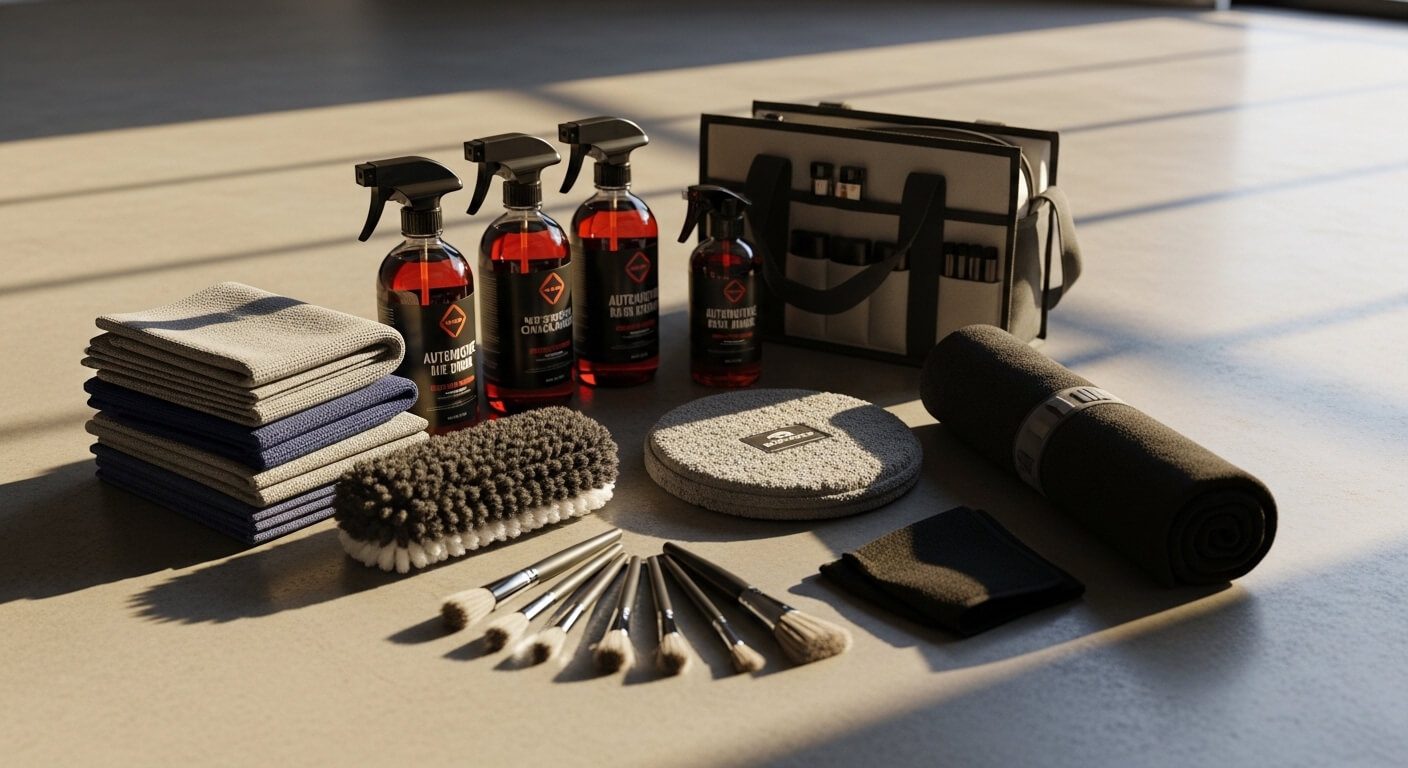
A good car cleaning kit is one of those purchases you never regret. Whether your vehicle looks like a showroom display or more like a mud-speckled expedition truck, having the right tools on hand transforms cleaning from a dreaded chore into something almost satisfying. A proper car cleaning kit bundles together everything you need — microfiber cloths, brushes, detailing sprays, and more — so you’re not scrambling for supplies each time you want to give your car some attention.
Over the years I’ve tested everything from bargain-bin sets to premium detailing bundles, and the difference is genuinely striking. It’s not just about aesthetics, either. Regular cleaning protects your paintwork, prevents interior odors from building up, and can even extend the life of your upholstery. When you use the right products correctly, you’re investing in your vehicle’s long-term condition — and resale value.
This guide covers every angle: what to look for in an interior car cleaning kit, how to pick the best car cleaning kit for your budget, how different kit types compare, and the most common mistakes people make. Whether you’re a first-time buyer or looking to upgrade your current setup, you’ll have a clear path forward by the end.
What Is a Car Cleaning Kit — and Why Does It Matter?
At its simplest, a car cleaning kit is a curated collection of cleaning tools and products designed specifically for automotive use. Unlike household cleaners — which can strip wax, damage rubber seals, or leave residues on glass — car-specific products are formulated to be safe for painted surfaces, leather, vinyl, chrome, and fabric.
The “kit” format matters because compatibility between products is often overlooked. Using a cleaner that isn’t pH-neutral alongside a wax that requires a clean surface can produce streaky, dull results no matter how much effort you put in. When manufacturers bundle products together, they’ve typically designed them to work in sequence.
Beyond resale value, there’s something to be said for the ritual of keeping a clean car. It’s a form of maintenance that’s entirely in your hands — no waiting at a shop, no expensive detailing appointments unless you want them. A solid car cleaning kit gives you that control.
Interior Car Cleaning Kit: What to Expect Inside
The interior of your car takes a beating. Coffee spills, pet hair, crumbs in seat creases, smudged windows, dusty dashboards — it all accumulates faster than you’d expect. A dedicated interior car cleaning kit is built to handle these specific challenges without damaging sensitive surfaces.
A quality interior kit typically includes:
- Interior detailing spray — a multi-surface cleaner safe for plastic, vinyl, and leather
- Glass cleaner — streak-free formula designed for automotive glass tint safety
- Upholstery cleaner or foam — lifts stains from fabric seats without soaking the material
- Microfiber cloths — multiple weights for different tasks (wiping, buffing, drying)
- Detailing brushes — small, soft brushes for vents, seams, and cup holders
- Leather conditioner — keeps leather seats supple and prevents cracking
If you have pets, pairing your best cordless vacuum for pet hair with your interior kit makes an enormous difference. A vacuum handles the bulk debris, then your kit polishes everything down to a showroom finish.
What Is the Best Car Cleaning Kit for Interiors Specifically?
The best interior-focused kit comes down to what surfaces you’re dealing with most. For a leather-heavy luxury cabin, prioritize kits that include a pH-neutral leather cleaner and conditioner — leather is durable but surprisingly easy to dry out with the wrong product. For fabric seats in a family hauler, look for an enzymatic foam upholstery cleaner that breaks down organic stains at a molecular level rather than just masking them.
Don’t overlook the glass component. Automotive windows have tinting films that standard household glass cleaners can degrade over time. The ammonia in some window sprays is the culprit — always check that your kit’s glass cleaner is ammonia-free before using it on tinted windows.
How to Choose the Best Car Cleaning Kit for Your Needs
Deciding on the best car cleaning kit requires an honest assessment of your car, your cleaning habits, and how much time you want to invest in the process. There’s no universal answer — a kit that works brilliantly for a weekend detailer is overkill for someone who wants a quick monthly freshen-up.
Here are the key factors to weigh:
- Kit scope: Interior only, exterior only, or combined? Full-detail kits are comprehensive but more expensive.
- Vehicle type: SUV vs. sedan, leather vs. fabric, dark vs. light paint — all influence which products you need.
- Frequency of use: If you clean weekly, invest in durable tools. Monthly cleaners can opt for mid-range.
- Eco-friendliness: Many modern kits now feature biodegradable formulas. Look into eco friendly cleaning products if this matters to you — they’ve improved dramatically in effectiveness over the past few years.
- Storage: Some kits include a carry case or tote, which is genuinely useful for keeping everything organized.
What’s the Best Car Cleaning Kit Overall?
Based on broad testing and community feedback across detailing forums, the “best” kits tend to share a few common traits: they include at least four microfiber cloths of varying density, they offer a wheel cleaner (often overlooked in budget sets), and their spray concentrations are clearly labeled so you can dilute correctly. Trusted automotive publications like MotorTrend regularly benchmark detailing products, and their reviews are worth checking before committing to a premium kit.
In my experience, the kits that disappoint are those that shortchange on cloth quality. Cheap microfibers scratch more than they clean. It sounds counterintuitive, but low-GSM (grams per square meter) cloths with loose weave actually trap abrasive particles against your paint rather than lifting them away. Spending a little more on cloths pays dividends in surface protection.
Car Cleaning Kit Interior vs. Exterior vs. Full-Detail Sets
Understanding how these kit categories differ helps you avoid buying redundant products or missing something critical.
Interior-only kits focus on cabin surfaces: dashboard, seats, glass, door panels, carpet, and floor mats. They rarely include anything for paintwork or wheels. These are ideal if your exterior is newer or you wash it at a car wash and only handle the inside yourself.
Exterior-only kits are built for paintwork, glass, chrome, and wheels. They typically include a car shampoo, clay bar, wax or ceramic coating spray, wheel cleaner, and tire dressing. Interior surfaces need entirely different chemistry, so don’t cross-use these products.
Full-detail kits cover both zones and usually add specialty items — tar remover, iron fallout remover, trim restorer. These represent the best value per product if you’re committed to full-vehicle care, but they require more time and a learning curve for proper application sequence.
The Detailing Wiki maintained by the global automotive enthusiast community is an excellent free reference for understanding product chemistry and correct sequencing if you’re stepping up to full-detail work.
Why a Car Cleaning Cloth Kit Is the Foundation of Detailing
You can have the most premium chemicals in the world, but if your cloths are wrong, your results will suffer. A proper car cleaning cloth kit — specifically one built around high-quality microfiber — is the single most important variable in your cleaning toolkit.
Microfiber works through physical structure rather than abrasion. Each fiber is split into microscopic wedges that wedge under particles and lift them rather than dragging them across your surface. This is especially important on painted bodywork, where even fine scratches (known as “swirl marks”) accumulate into a dull, cobwebby appearance under direct light.
For an in-depth look at specific cloth options, our guide to microfiber car cloths breaks down the best picks by GSM rating, use case, and washability — essential reading if you want to protect your paint long-term.
Key cloth types to have in any complete setup:
- Waffle-weave drying towel — high absorbency, minimal streaking
- Plush 400+ GSM buffing cloth — for wax removal and polish application
- Flat-weave glass cloth — leaves no lint on windows
- Interior multi-purpose cloth — lower GSM, ideal for dashboard wipe-downs
Cost Breakdown: Budget, Mid-Range & Premium Car Cleaning Kits
Price points vary widely, and the good news is that every budget can get genuinely good results. Here’s how the tiers break down:
| Feature | 💰 Budget ($15–$40) | ⚖️ Mid-Range ($40–$90) | 🏆 Premium ($90–$200+) |
|---|---|---|---|
| Cloth quality | Basic microfiber, low GSM | 200–300 GSM, multiple types | 400+ GSM, waffle-weave & plush included |
| Number of products | 3–5 basic cleaners | 6–10 targeted formulas | 12–20+ specialty products |
| Coverage | Interior or exterior, rarely both | Interior + exterior basics | Full-detail, paint correction capable |
| Tools included | Cloths only or 1–2 brushes | Detailing brushes, applicator pads | Full brush set, clay bar, foam applicators |
| Storage | No carry case | Sometimes a bag | Organized carry case or caddy |
| Best for | Casual monthly clean | Regular weekend upkeep | Enthusiasts, resale prep |
One thing worth noting: even within the budget tier, there’s significant variance. A $25 kit from a dedicated automotive brand often outperforms a $40 generic “cleaning bundle” from a department store. Brand reputation and reading product descriptions carefully matter more than price alone.
Common Mistakes to Avoid When Using a Car Cleaning Kit
Even experienced car owners fall into a few predictable traps. Knowing these in advance saves you from frustrating results — or worse, damage to your vehicle’s surfaces.
- Cleaning in direct sunlight: Products dry too fast, leaving water spots and streaky residue. Work in shade or early morning.
- Using the same cloth for everything: Cross-contaminating your wheel-cleaning cloth with your paint-buffing cloth transfers brake dust and grit. Label and separate your cloths.
- Skipping the rinse step: Even waterless cleaners benefit from a final wipe with a clean damp cloth. Residue left behind attracts more dust faster.
- Ignoring the door jambs: They collect grime rapidly and are often forgotten. Your door-seal rubber needs conditioning too, or it’ll crack and allow moisture inside.
- Over-applying product: More is not better. Excess product is harder to remove and often causes the streaks and smearing people blame on the product itself.
- Using household cleaners: Bleach, all-purpose sprays, and even some dish soaps strip automotive wax and can damage clear coat. Stick to car-formulated products.
If you enjoy finding smarter ways to clean that go beyond standard products, exploring cleaning hacks with vinegar can open up some genuinely effective DIY alternatives — particularly for water spot removal on exterior glass and chrome. Just never use undiluted vinegar on painted surfaces.
Longevity & Kit Maintenance: Making Your Kit Last
A well-cared-for cleaning kit lasts years, not months. The tools themselves — brushes, cloths, applicator pads — are often longer-lived than the chemicals they’re used with.
For cloths and pads: wash after every use, air-dry when possible, and avoid mixing with lint-producing materials. Microfiber that smells musty has bacterial buildup — soak in a diluted white vinegar solution before the next wash cycle to reset it.
For liquid products: store at room temperature. Extreme heat causes some emulsified formulas (like waxes and conditioners) to separate permanently. Keep bottles upright and tightly capped to prevent contamination and evaporation.
Brushes need rinsing immediately after use — dried product in bristles hardens and reduces cleaning effectiveness. For detailing brushes with natural bristles, an occasional light conditioning (with the same leather conditioner you use on seats) keeps them soft and prevents bristle loss.
If you’re drawn to the broader world of home and vehicle maintenance gadgets, there’s a whole universe of cleaning gadgets that complement a standard kit — from electric polishers to ultrasonic cleaning devices for small parts.
Frequently Asked Questions
What is the best car cleaning kit for home use?
The best car cleaning kit for home use balances coverage, ease of use, and value. Look for a kit that includes at minimum: a multi-surface interior cleaner, a glass cleaner, microfiber cloths in at least two different densities, and an exterior wash solution. Mid-range kits in the $45–$75 range typically hit this sweet spot without overwhelming beginners. Brands with dedicated automotive chemistry departments tend to produce more reliable results than lifestyle brands that treat car cleaning as a side category. Reading third-party reviews from automotive forums — not just retail listings — gives you the most honest picture of real-world performance.
How to use a shark car cleaning kit effectively?
Shark car cleaning kits (typically steam-based units) work best when you follow the correct sequence: start with dry vacuuming or brushing to remove loose debris, then apply the steam to surfaces in short bursts, keeping the nozzle moving to avoid heat concentration on any single spot. The steam loosens bonded grime and sanitizes surfaces without chemical residue, which makes it excellent for vents, upholstery, and carpet. Always use the appropriate attachment — the narrow nozzle for vents and crevices, the brush attachment for fabric and carpet. After steaming, follow up with a clean microfiber cloth to absorb loosened moisture and residue. Allow surfaces to fully dry before closing windows or parking in enclosed spaces to prevent mildew.
What’s the best car cleaning kit for dark-colored vehicles?
Dark paint shows swirl marks, water spots, and dust far more visibly than lighter colors, so your kit selection matters more. For dark vehicles, prioritize a pH-neutral shampoo, a quality clay bar (to remove bonded contaminants before polishing), and a high-GSM microfiber cloth for all paint contact. A spray wax or quick detailer specifically formulated for dark paint can add a deep gloss while masking minor surface imperfections. Avoid kits that bundle abrasive compounds — these require a polishing machine to use safely on dark paint. If water spots are a persistent problem, check the calcium content of your tap water and consider using filtered or deionized water for the final rinse.
How often should I use an interior car cleaning kit?
For most daily drivers, a full interior clean every two to four weeks is sufficient to keep surfaces in good condition without over-processing materials like leather or soft-touch plastic. However, high-traffic areas benefit from more frequent attention: wipe down your steering wheel, gear shift, and door handles weekly — these collect the most skin oils and bacteria. If you have children or pets, or if your work involves outdoor or dusty environments, bump the frequency to every one to two weeks for the full interior. Spot-cleaning spills immediately — rather than letting them dry — dramatically reduces the effort needed during scheduled cleaning sessions.
Can I use an interior car cleaning kit on my car’s leather seats?
Yes, provided the kit includes products specifically designed for leather — most quality interior car cleaning kits do. The key is to use a leather cleaner (not a multi-surface spray) followed by a leather conditioner. The cleaner removes grime and surface oils without stripping the leather’s protective coating; the conditioner replenishes moisture and pliability to prevent cracking. Never use silicone-based products on leather — they create a greasy sheen and prevent the leather from breathing, accelerating long-term deterioration. A good rule: if a product isn’t explicitly labeled as leather-safe, test it on an inconspicuous spot (beneath a seat or inside a door jamb) before applying to visible surfaces.
What’s the difference between a car cleaning kit and a car detailing kit?
A car cleaning kit is designed for maintenance — removing surface dirt and keeping the vehicle presentable between deeper cleans. A car detailing kit goes further, targeting paint correction, deep stain removal, clay bar treatment, and protective coating application. Cleaning is about maintaining; detailing is about restoring. Most people benefit most from a good cleaning kit used consistently, with a detailing kit employed once or twice a year for a thorough refresh. Detailing products also require more skill and time — clay barring and compound polishing applied incorrectly can damage paint — so beginners should build confidence with regular cleaning before attempting full detailing.
Are eco-friendly car cleaning kits as effective as conventional ones?
Modern eco-friendly formulations have closed the gap significantly with conventional products over the past five years. Biodegradable surfactants now match the degreasing power of many petroleum-based formulas, and plant-derived solvents handle tar and adhesive residues effectively. The main area where conventional products still hold an edge is in heavy-duty contamination removal — severe tar deposits or industrial fallout may still require specialized chemistry. For routine maintenance, an eco-friendly car cleaning kit performs comparably and has the added benefit of being safer around children and pets, producing less harmful runoff into drains, and being kinder to painted rubber seals and sensitive soft plastics inside the cabin.
What should a complete car cleaning kit include?
A truly complete car cleaning kit should cover both zones: interior and exterior. On the interior side: an all-surface detailing spray, glass cleaner (ammonia-free), upholstery or fabric cleaner, leather cleaner and conditioner, at least four microfiber cloths, and a set of detailing brushes for vents and crevices. For the exterior: car wash shampoo, a wash mitt, wheel cleaner, tire dressing, a spray wax or paint sealant, and a plush drying towel. A clay bar and iron fallout remover, while not always included, represent worthwhile additions if resale prep or paint restoration is a goal. Storage — a caddy, tote, or organized carry bag — rounds out a truly professional-grade setup.
Conclusion: The Right Kit Changes Everything
A car cleaning kit isn’t just about cleanliness — it’s about caring for something you rely on every day. The right kit, chosen thoughtfully for your vehicle’s specific needs and your own cleaning habits, makes the process efficient, effective, and genuinely rewarding. Starting with a clear understanding of interior versus exterior needs, prioritizing cloth quality above all else, and avoiding the common mistakes outlined here puts you miles ahead of the average car owner.
If you’re just getting started, a mid-range interior car cleaning kit with a solid set of microfiber cloths is the ideal entry point. From there, you can expand into exterior care, specialty treatments, and eventually a full-detail setup as your confidence and interest grow. The progression is natural — once you experience the difference that proper products make, it’s hard to go back to whatever-was-under-the-sink improvising.
For related reading, explore our deep dives into the best cordless vacuum for pet hair (essential for interior prep work), the world of innovative cleaning gadgets that can speed up your routine, and how eco friendly cleaning products are reshaping the automotive care space. Each of these connects to building a smarter, more sustainable approach to vehicle maintenance — one that keeps your car looking its best for years to come.