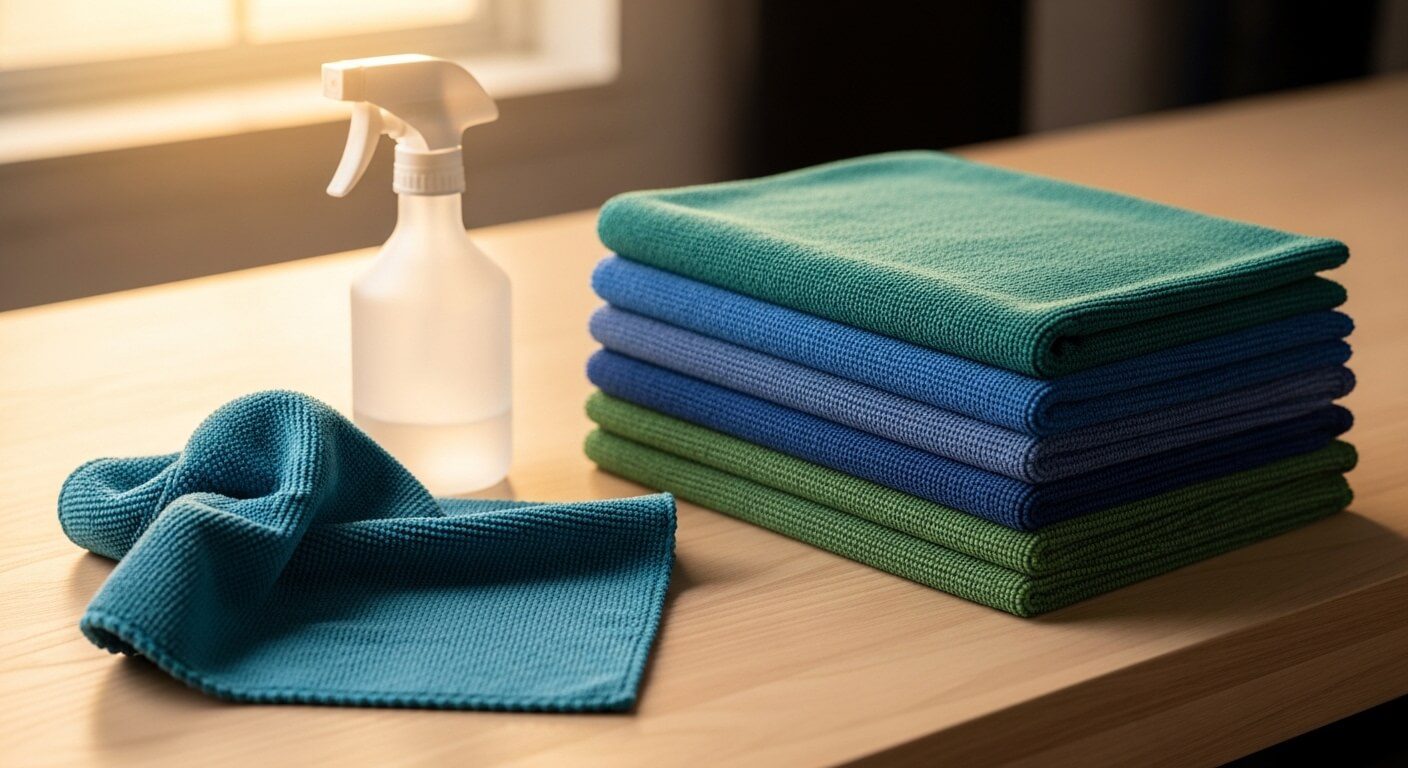

Microfiber Car Cloths: The Complete Guide to Cleaner, Scratch-Free Results
⏱ Estimated read time: 9 minutes
If you’ve ever spent an afternoon washing your car only to step back and find a haze of swirl marks across the paint, chances are the cloth you used was the culprit. Microfiber car cloths have genuinely changed the way careful owners clean and detail their vehicles — and once you understand why, you’ll never reach for an old cotton rag again. These incredibly fine synthetic fibers trap dirt and lift grime rather than dragging it across surfaces, which makes all the difference between a finish that gleams and one that looks worse than before you started.
The market is flooded with options, though, and not all microfiber cloths are created equal. A pack of budget cloths from a pound shop behaves very differently from a professional-grade detailing cloth rated at 400 GSM (grams per square meter). Knowing the distinction — and knowing how to use, maintain, and eventually replace your cloths — is what separates a hobbyist from someone who gets genuinely impressive results every single time.
In this guide, we’re going to walk through everything: the science behind how microfiber works, which types of cloth suit which jobs, how to wash them without destroying their performance, and what to look for when buying the best microfiber cleaning cloths for your needs. Whether you’re detailing a daily driver or keeping a weekend classic immaculate, there’s a cloth — and a method — for that.
What Is Microfiber and Why Does It Work So Well?
Microfiber is a synthetic material made from a blend of polyester and polyamide (nylon) fibers that are split into strands far finer than a single human hair. Typically, each filament is less than one denier in diameter — to put that in context, one denier is roughly the thickness of a strand of silk. When these tiny filaments are woven together, they create a fabric with an enormous surface area relative to its size.
That surface area is the key to everything. When a microfiber cloth glides over your car’s paintwork, those millions of microscopic wedge-shaped fibers act like miniature scoops, physically lifting and trapping dust, dirt, and moisture rather than simply smearing it around. A standard cotton cloth, by contrast, pushes particles along the surface, creating the micro-scratches and swirl marks that show up so clearly in direct sunlight.
Did You Know?
A single square inch of quality microfiber fabric contains more than 200,000 individual fibers. That’s why these cloths can absorb up to seven times their own weight in liquid — a property that makes them exceptional for drying panels without streaking.
The polyamide component handles absorption while the polyester provides the scrubbing and lifting action. This combination also means microfiber cloths are naturally slightly positively charged, which causes them to attract negatively charged dust particles almost magnetically. It’s one reason microfiber dust cloths work so brilliantly on dashboards and interior trim without any spray at all.
According to the U.S. Department of Energy, microfiber mops and cloths have been widely adopted in professional cleaning because they remove up to 99% of bacteria from surfaces using just water — no chemicals required. For car care, this translates to a safe, effective clean that won’t risk stripping wax or sealants from your paintwork.
Types of Microfiber Cloths for Cleaning: A Practical Breakdown
Walk into any auto shop or browse online and you’ll quickly discover that “microfiber cloth” is a broad term covering several very different products. Understanding the categories helps you pick the right tool for each task and avoid cross-contaminating different areas of your car.
Waffle-Weave Drying Towels
These are the large, textured cloths with a distinctive grid pattern. The waffle structure creates pockets that hold water as you drag the towel across bodywork, making them the gold standard for drying after a wash. A good waffle-weave towel can dry an entire mid-size car without needing to be wrung out. Look for a GSM rating between 300–400 for drying — thick enough to hold water but not so heavy that it becomes awkward to maneuver.
Plush Buffing Cloths
The thick, fluffy cloths most people picture when they think of microfiber car cloths are plush buffing towels, typically rated 400–600 GSM or higher. Their deep pile is perfect for applying and removing waxes, polishes, and spray detailers, as the long fibers distribute product evenly and won’t leave behind lint or streaks. These are the cloths you want for final paint correction work.
Glass Cleaning Cloths
Dedicated glass cloths are woven more tightly and with a lower pile than buffing cloths. This fine, flat weave glides across windows and windshields without leaving the streaks or smears that plague standard cloths. One thing I’ve learned the hard way: always dedicate specific cloths to glass and never let them come into contact with wax or polish — even trace amounts will destroy their streak-free performance.
Interior Detail Cloths
Lightweight, lint-free cloths that work brilliantly on plastics, leather, vinyl, and screens. Because interior surfaces require gentleness rather than scrubbing power, these cloths are usually lower GSM (around 200–280) and made with a softer, flatter weave. They’re also ideal as microfiber dust cloths for dashboards and air vents, where you want to trap particles rather than scatter them.
Pro Tip
Color-code your microfiber cloths by task — many professional detailers use blue for exterior, yellow for interior, and green for glass. It takes three seconds to set up and prevents you from ever wiping wheel-brake-dust contamination across your freshly polished hood.
Wheel & Tire Cloths
Wheels accumulate brake dust, which is abrasive iron-based contamination. Never use your good buffing cloths on wheels. Keep a separate set of darker cloths exclusively for wheel cleaning — ones you’re happy to retire regularly once they’ve absorbed enough iron particles to become a scratch risk in their own right.
Choosing the Best Microfiber Cleaning Cloths: What to Look For
Shopping for the best microfiber cleaning cloths means looking past the marketing claims and focusing on a handful of measurable factors that actually determine how well a cloth will perform and how long it will last.
GSM (Grams per Square Meter): This is the single most useful number on the label. Lower GSM (200–300) means lighter, thinner cloths good for interior work and glass. Medium GSM (300–400) suits drying and general exterior use. High GSM (400–600+) indicates the plush, thick cloths ideal for wax and polish application and removal.
Polyester-to-Polyamide Ratio: The ideal blend for car care is typically 80% polyester and 20% polyamide. Higher polyamide ratios improve softness and absorbency but also increase cost. Cloths that don’t declare their split are often using cheaper ratios that sacrifice performance.
Edge Finishing: Look for silk-edged or microfiber-edged borders rather than the rough, hard-stitched edges common on budget cloths. Those hard edges can cause scratches on paint and glass, particularly on delicate clear coats.
Pile Length: Longer pile (measured in millimeters) means more surface area per cloth and more room to trap particles safely away from the paint surface. For polishing and waxing, a longer pile is almost always better. For glass, a shorter, flatter weave provides more controlled contact.
If you’re looking to pair your detailing routine with smarter home tools, our guide to the best cordless vacuum for pet hair covers some excellent lightweight vacuums that also do a fantastic job on car interiors — particularly useful before you reach for your microfiber cloths.
Key Takeaway
Never buy microfiber cloths that don’t list their GSM and fiber split. If a brand hides these numbers, they’re usually hiding low-quality specifications. Reputable manufacturers are proud of their specs and put them front and center.
When comparing brands, the Consumer Reports testing methodology is a useful benchmark — they evaluate cleaning products on dirt removal efficiency, durability after repeated washing, and surface safety. The same principles apply when evaluating microfiber cloths for cars.
How to Use Microfiber Car Cloths Correctly
Even the finest cloth will underperform — or cause damage — if you use it incorrectly. A few simple techniques make an enormous difference.
Fold, don’t bunch: Always fold your cloth into quarters before using it. This gives you eight clean, usable surfaces per cloth (four on each side). When one face becomes too loaded with product or dirt, simply refold to a fresh surface. This method alone can double or triple how long a cloth stays effective during a session.
Use minimal pressure on paint: The fibers do the work — you don’t need to press hard. Light, overlapping passes are far safer and more effective than heavy scrubbing. On paint, the weight of your hand resting on the cloth is typically sufficient.
Work panel by panel: Rushing across the whole car with one cloth picks up increasing amounts of contamination. Working methodically — finishing one panel completely before moving to the next — keeps each cloth fresher and reduces the risk of dragging abrasive particles across clean surfaces.
Keep them off the ground: A dropped cloth goes straight into the laundry bag. No exceptions. Grit embedded from even a split-second of floor contact can be enough to leave fine scratches across an entire hood.
For particularly stubborn spots, a light mist of a dedicated spray detailer activates the cloth’s cleaning action without adding excessive product. This connects neatly with the broader world of eco friendly cleaning products — many plant-based car detailers are now as effective as their chemical-heavy predecessors while being kinder to painted surfaces and the environment.
How to Clean Microfiber Cloths: Washing, Drying & Care
How to Wash Microfiber Cloths Without Damaging Them
Washing microfiber cloths properly is arguably as important as choosing the right cloth in the first place. The fibers that make them so effective are also surprisingly easy to clog or damage if you’re not careful. The good news is that once you know the rules, washing them correctly takes no more effort than washing anything else.
Always wash microfiber cloths separately from cotton or other fabrics. Cotton sheds lint, and those fibers get trapped in the microfiber’s structure, dramatically reducing its cleaning performance. Use a dedicated microfiber-safe detergent or a tiny amount (half the recommended dose) of a standard liquid laundry detergent — never powder, which can leave residue that blocks the fibers.
Never use fabric softener. This is the single most damaging mistake you can make. Fabric softener coats the fibers with a waxy residue that fills in the microscopic grooves responsible for all that cleaning and absorbing performance. A softener-treated microfiber cloth can lose most of its effective surface area after just a couple of washes.
Can You Wash Microfiber Cloths in a Washing Machine?
Yes, absolutely — and for most car cloths, machine washing is perfectly fine. Use a cold or warm wash cycle (maximum 40°C / 104°F). Hot water can cause the synthetic fibers to melt slightly and fuse together, reducing their ability to lift and trap particles. A gentle or delicate cycle reduces mechanical stress on the fibers, extending the life of each cloth significantly.
According to EPA Safer Choice guidelines, many modern microfiber-safe detergents are also formulated to reduce environmental impact, an important consideration given that every microfiber wash does release some synthetic particles into wastewater systems.
Warning
Never tumble-dry microfiber cloths on high heat. High heat melts the synthetic fibers and permanently destroys their performance. Use a low-heat setting or, better yet, air-dry them flat. Air-drying also prevents static buildup that can attract lint.
Heavily soiled cloths — ones used for wheel cleaning or polishing removal — benefit from a short soak in warm water before washing. Swish them gently by hand to release the bulk of the dirt, then machine-wash as normal. This prevents contamination from spreading to other cloths in the load and helps the washing machine do a more thorough job.
If you enjoy finding clever solutions like this across your whole home, our roundup of cleaning hacks with vinegar has some genuinely useful tips that complement a good microfiber cloth routine — white vinegar makes an excellent final rinse for microfiber, helping strip any remaining detergent residue from the fibers.
How to Clean Microfiber Cloths Between Uses
Between full washes, lightly-used cloths can be refreshed by rinsing them under warm running water and wringing them out gently. This removes loose dirt and surface contamination without requiring a full laundry cycle. Let them air-dry completely before folding — storing damp cloths causes mildew, which is almost impossible to fully remove from microfiber without destroying the fibers in the process.
Cost Breakdown: What to Expect at Each Price Point
Microfiber car cloths span a wide price spectrum, and the differences between tiers are real and measurable. Here’s an honest breakdown of what your money buys at each level.
| Feature | Budget (£5–£15 / pack) | Mid-Range (£15–£40 / pack) | Premium (£40–£80+ / pack) |
|---|---|---|---|
| GSM Range | 200–280 GSM | 300–400 GSM | 400–600+ GSM |
| Fiber Split | Often unlisted / 70/30 | 80/20 polyester/polyamide | 80/20 or 70/30 ultra-split |
| Edge Finish | Rough stitched edges | Soft sewn borders | Silk-edged or tagless |
| Best For | Interior wipes, general dusting | Drying, general exterior use | Polishing, paint correction |
| Wash Durability | 30–50 washes | 100–150 washes | 200–500+ washes |
| Scratch Risk | Moderate (on delicate paints) | Low | Very low |
For most enthusiasts, a mid-range set covering drying, buffing, and glass duties represents the sweet spot. Premium cloths are worth the investment for anyone doing regular paint correction or working on high-value vehicles where a single scratch would require professional polishing to correct. Budget cloths have their place — interior cleaning and general dust removal — but shouldn’t be trusted on fresh paintwork.
Common Mistakes People Make With Microfiber Cloths for Cleaning
Even seasoned car owners fall into some of these habits, and a few of them cause invisible damage that only becomes apparent under certain lighting conditions weeks later.
Using the wrong cloth for the job. A plush buffing cloth used on glass will smear. A glass cloth used for wax removal will become clogged immediately and drag product unevenly. Match the tool to the task.
Ignoring GSM entirely. Buying the cheapest microfiber cloths for cleaning without checking their GSM often means bringing home a thin, low-performance product that won’t last through a single detailing season. It’s a false economy — the cost per wash of a quality cloth is almost always lower than a cheap one.
Washing with hot water or high-heat drying. The quickest way to ruin a microfiber cloth is to treat it like a regular cotton towel in the laundry. Heat is the enemy of synthetic microfiber — respect that, and the cloths will reward you with years of service.
Using them on dry, dusty surfaces without pre-rinsing. Running a dry cloth across a heavily dusty surface — such as a car that’s been sitting outside for two weeks — concentrates grit right against the paint. A quick rinse with a hose first removes the bulk of loose contamination and transforms what would be a risky operation into a safe one.
Storing wet or folded into tight bundles. Airflow matters. Store your clean, dry microfiber cloths loosely stacked or hung in a clean, dry space away from heat sources and dust. A sealed plastic bag is a terrible storage solution despite feeling intuitive.
Thinking about how your cleaning approach fits into your wider home organization can be genuinely revealing. Our look at the top cleaning gadgets worth investing in covers tools that pair naturally with a microfiber-based cleaning routine, both indoors and out in the garage.
Longevity & Maintenance: Getting the Most From Your Microfiber Cloths
A quality microfiber cloth, properly maintained, can last hundreds of wash cycles without meaningful loss of performance. That’s a significant lifespan — and making it happen comes down to a handful of consistent habits.
Wash after every use. Leaving contaminated cloths balled up in a bag between detailing sessions allows brake dust, polish oils, and wax residues to harden into the fibers. The longer they sit, the harder they are to clean fully — and partially cleaned cloths are a scratch risk next time.
Inspect before each use. Hold the cloth up to a light source and check for embedded grit, stiff patches, or thinning areas. Any cloth that fails this check goes into the wash before it goes near your car.
Replace wheel cloths more frequently. The iron particles in brake dust are genuinely abrasive, and no amount of washing will safely extract particles that have embedded deep into the fiber structure. Wheel cloths should be considered consumables and replaced every few months for active drivers.
Research published by the National Institute of Standards and Technology has found that microfiber fabrics retain superior cleaning performance over conventional woven fabrics for far more wash cycles — but only when washed below 60°C and without fabric conditioners. Stick to those parameters and your investment pays for itself many times over.
Pro Tip
If your cloths start feeling less absorbent or begin leaving streaks after washing, try a strip wash: soak them overnight in hot water (as hot as your cloth’s maximum tolerance) with a tablespoon of washing soda. This dissolves product buildup from the fiber structure and can restore significant performance to cloths you’d otherwise retire.
For those building out a more complete home maintenance setup that includes smart vacuuming alongside their manual cleaning tools, it’s worth reading our best robot vacuum 2025 review — a decent robot vac handling routine floor cleaning frees up time and energy for the more satisfying hands-on jobs like car detailing.
Frequently Asked Questions About Microfiber Car Cloths
How to wash microfiber cloths without ruining them?
Wash microfiber cloths separately from cotton fabrics, using cold or warm water (never above 40°C / 104°F) on a gentle machine cycle. Use a small amount of liquid laundry detergent — never powder, and absolutely never fabric softener, which coats the fibers and destroys their performance. Tumble-dry on the lowest possible heat setting or, ideally, air-dry flat. Following these steps consistently will keep your cloths performing well for hundreds of wash cycles.
Can you wash microfiber cloths in a washing machine?
Yes, machine washing is perfectly suitable for microfiber car cloths and is actually preferable to hand-washing for heavily soiled ones. The key is to use a cold or warm wash cycle, not a hot one, and to keep microfiber separate from other fabrics — especially cotton, which sheds lint that embeds in the microfiber structure. Select a gentle or delicate cycle, skip the fabric softener, and avoid the high-heat dryer setting. Beyond those simple precautions, machine washing is both effective and safe.
How to clean microfiber cloths that have been used for waxing?
Cloths used for wax or polish removal need a little extra attention because product residue can harden in the fibers between uses. Before machine washing, rinse the cloth under warm running water and work it gently with your fingers to loosen the bulk of the wax. You can also pre-soak in warm water for 30 minutes. Then machine-wash on a warm cycle with a small amount of liquid detergent. If the cloths still feel stiff after washing, a strip wash using washing soda dissolved in water works well to break down residual product.
What GSM should microfiber car cloths be?
The right GSM depends on the task. For glass cleaning and interior detailing, look for 200–300 GSM — these thinner cloths have a flatter weave that’s better for streaks-free contact with smooth surfaces. For drying bodywork after a wash, 300–400 GSM strikes the right balance between absorbency and manageability. For applying and removing waxes, polishes, and sealants, you want 400–600 GSM or higher — the deep pile of these plush cloths holds product evenly and protects the paint surface below.
Are microfiber cloths safe for car paint?
High-quality microfiber cloths with soft edges are among the safest materials you can use on car paintwork — far safer than cotton rags, chamois leathers, or sponges. The ultra-fine fibers lift particles away from the surface rather than dragging them across it, which is what causes the swirl marks and micro-scratches visible on many older or poorly maintained cars. That said, contaminated microfiber — cloths dropped on the ground, used without being washed after previous use, or loaded with abrasive particles — can absolutely scratch paint. Condition and cleanliness of the cloth matter as much as the cloth’s material.
How many microfiber cloths do I need for car detailing?
A practical starter set covers five key categories: two or three drying towels, two plush buffing cloths, two dedicated glass cloths, two interior cloths, and at least two wheel-specific cloths (which you’ll replace most often). That’s roughly 10–15 cloths as a foundation. As your detailing routine develops, you’ll likely want more buffing cloths — they’re the ones you’ll use through multiple surfaces and therefore get through most quickly during a session. Having a good stock also means you’re never tempted to reuse a cloth that should really go into the wash first.
Can you use microfiber cloths dry or do they need to be damp?
Both methods work, but for different purposes. Dry microfiber cloths work exceptionally well for dusting interiors, removing light surface dust from bodywork before a spray detailer, and polishing glass after cleaning. The dry fibers’ static charge helps attract and trap dust particles rather than spreading them. Damp cloths are better for removing heavier contamination, wiping down interior surfaces, and applying water-based products. For wax and polish work, follow the product manufacturer’s instructions — some prefer a slightly damp application cloth, while others work best on dry microfiber.
When should I replace my microfiber car cloths?
Replace any cloth that feels rough, has stiff patches that don’t wash out, or has visible thinning areas in the pile. Wheel cloths used regularly should be replaced every few months regardless of appearance, as embedded brake dust iron particles are nearly impossible to fully remove. For paint and glass cloths, a strip wash can often restore performance, but if a cloth still leaves streaks or feels abrasive after proper washing, retire it. Budget cloths typically last 30–50 cycles; premium cloths can reach 200–500+ cycles with proper care.
Final Thoughts
Microfiber car cloths are one of those rare purchases where a small investment in quality pays dividends every single time you use them. The difference between a cheap cloth and a well-made one isn’t just about longevity — it’s about the results you get on the day, the swirl marks you avoid creating, and the satisfaction of stepping back from a freshly detailed car and seeing nothing but clean, clear paintwork.
The basics are genuinely simple: choose the right cloth for the task, use it correctly, wash it properly, and store it cleanly. If those four habits become second nature, you’ll find that microfiber cloths for cleaning become one of the most versatile and reliable tools across your entire maintenance routine — inside the car, around the house, and everywhere in between.
If you’re looking to build out a smarter, more efficient cleaning setup beyond the garage, our coverage of eco friendly cleaning products, the best cleaning gadgets worth adding to your kit, and the full best robot vacuum 2025 review will all help you clean smarter with less effort across every surface in your life.