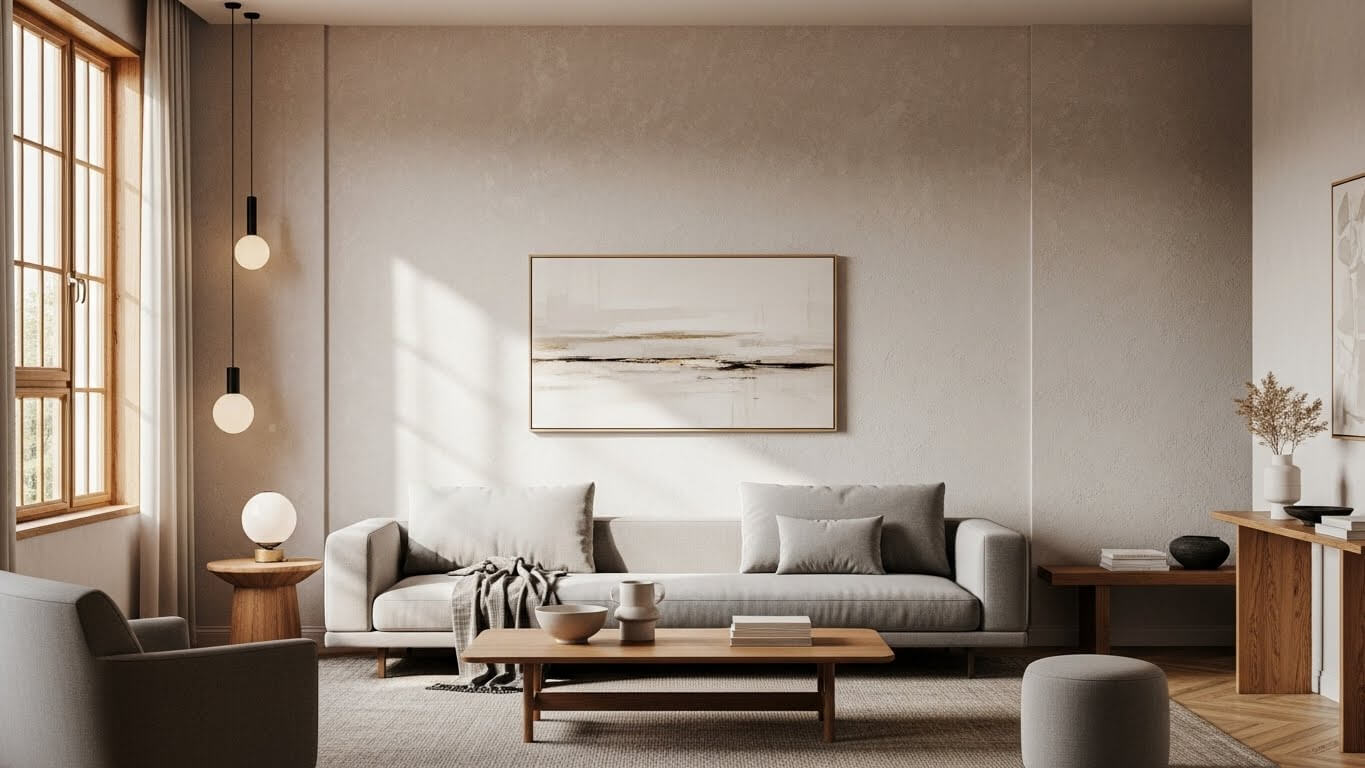

You usually don’t realize wall decor is the problem until everything else feels right and the room still feels off. The furniture works, the lighting is decent, the layout makes sense—yet the space feels busy, restless, or oddly unfinished. More often than not, it’s the walls carrying too much visual weight, not the decor itself being wrong.
Minimalist wall decor today isn’t about removing personality or living with bare surfaces. It’s about restoring balance. When walls stop trying to perform, the room starts to breathe. Light moves more naturally, colors feel calmer, and even everyday mess feels less overwhelming.
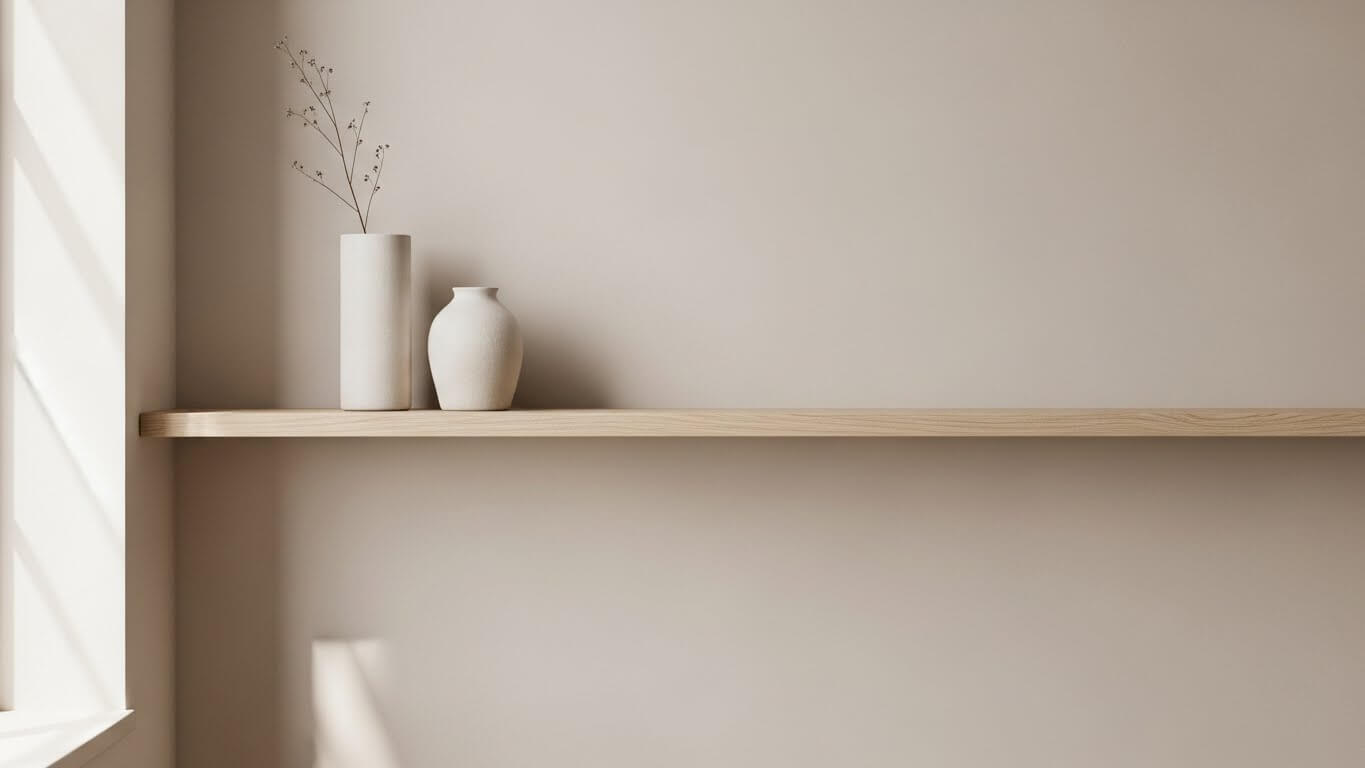
As modern homes become more open, multifunctional, and visually exposed, minimalism has evolved to meet real life. It’s no longer a style choice alone—it’s a practical response to how we live, focus, and unwind inside our homes.
What Minimalist Wall Decor Really Means Today
Minimalist wall decor used to be understood as subtraction—remove frames, remove color, remove anything that felt decorative. That older version of minimalism worked well in theory but often failed in real homes. Spaces looked clean, yet they felt temporary or emotionally flat, especially once daily life moved in.
Today’s minimalist wall decor is built on intention rather than absence. The focus has shifted from “less on the wall” to “the right thing on the wall.” Instead of filling space or leaving it blank by default, walls are treated as part of the room’s structure and mood. A single surface might introduce texture, soften acoustics, or visually anchor furniture without drawing attention to itself.
The difference between empty walls and intentional walls becomes clear when you spend time in the space. Empty walls feel unresolved, as if something is missing. Intentional walls feel calm but complete. They might feature one subtle element—or none at all—but they still relate to the room through proportion, material, or color.
In modern homes, this distinction matters more than ever. Open layouts expose walls from multiple angles, and rooms are expected to support work, rest, and social time. Minimalist wall decor adapts to this reality by reducing visual friction while still offering warmth and depth.
Minimalism vs Under-Decorating
Minimalism and under-decorating are often mistaken for each other, but they create very different experiences. Under-decorating happens when walls are left empty without a clear reason. The space feels unfinished, echo-heavy, or visually uncertain, as if decisions were postponed rather than made.
Minimalism, by contrast, is deliberate. Even when a wall holds very little, it still feels resolved. The color choice, surface finish, or surrounding elements give it context. Nothing feels accidental.
A simple way to tell the difference is by how the room makes you feel. If you’re tempted to “fix” the wall every time you walk past it, it’s likely under-decorated. If the wall feels settled and doesn’t demand attention, it’s probably minimalist by design.
Why Minimalist Wall Decor Is Shifting in Modern Homes
Minimalist wall decor isn’t changing because of trends alone—it’s changing because daily life inside homes has changed. Homes now carry more responsibility than ever before. They’re places to work, rest, entertain, and disconnect, often all in the same day. When walls are visually loud, that constant stimulation adds to mental fatigue instead of relieving it.
Open layouts have accelerated this shift. In open-plan homes, walls don’t belong to one room at a time. A heavily decorated wall in the living area is visible from the kitchen, dining space, and sometimes even the entryway. What once felt like “just one accent wall” now impacts the entire visual experience of the home. Minimalist wall decor helps reduce that spillover, allowing spaces to feel connected without feeling chaotic.
There’s also growing awareness around visual fatigue. Bold patterns, layered frames, and high-contrast walls may look striking in short bursts, but living with them every day can feel overwhelming. People are becoming more conscious of how constant visual input affects focus, calm, and overall comfort—especially in homes where screens are already everywhere.
At the same time, there’s a noticeable backlash against social-media-driven overdecorating. Walls styled for quick photos don’t always translate into spaces that feel good to live in. Minimalist wall decor reflects a return to choices that prioritize longevity, ease, and livability over instant visual impact.
How Real Homes Changed the Trend
Real homes exposed the gap between what looks good online and what works in everyday life. Highly styled walls often required constant upkeep, frequent rearranging, or felt visually exhausting over time. As people lived with these choices, many began editing their spaces rather than adding to them.
This shift wasn’t about giving up style—it was about refining it. Homeowners started noticing that calmer walls made rooms feel larger, quieter, and more adaptable. Minimalist wall decor grew out of lived experience, not design theory. It evolved as a practical response to how people actually move through, use, and emotionally experience their homes day after day.
From Statement Art to Subtle Texture
For a long time, minimalist wall decor relied on bold statement art to create impact. Large abstract prints, high-contrast photography, or oversized black-and-white pieces were used to add personality without clutter. While this approach worked visually, it often became the loudest element in the room, drawing attention away from the space itself.
As homes became more open and multifunctional, that kind of visual dominance started to feel out of place. Instead of anchoring a room, statement art began to compete with furniture, lighting, and even daily movement. Subtle texture has emerged as a more sustainable solution—one that adds depth without demanding attention. Texture allows walls to contribute quietly, enhancing the atmosphere rather than defining it.
Why Bold Wall Art Is Losing Ground
Bold wall art tends to create a fixed visual narrative. Once it’s up, the room revolves around it. In real homes, this can feel limiting. Furniture layouts change, lighting shifts throughout the day, and the artwork can quickly feel overpowering or dated.
Another issue is scale. In open layouts, a large print doesn’t stay contained to one wall—it visually spills into adjoining spaces. What looks balanced in isolation can feel heavy when seen from multiple angles. Over time, many homeowners find themselves mentally tuning out the art or feeling the urge to replace it, not because it’s unattractive, but because it demands too much attention.
Minimalist wall decor is moving away from pieces that dominate and toward elements that support the room as a whole. The goal is no longer to make the wall the focal point, but to let the entire space feel cohesive and calm.
Textures That Are Replacing Prints
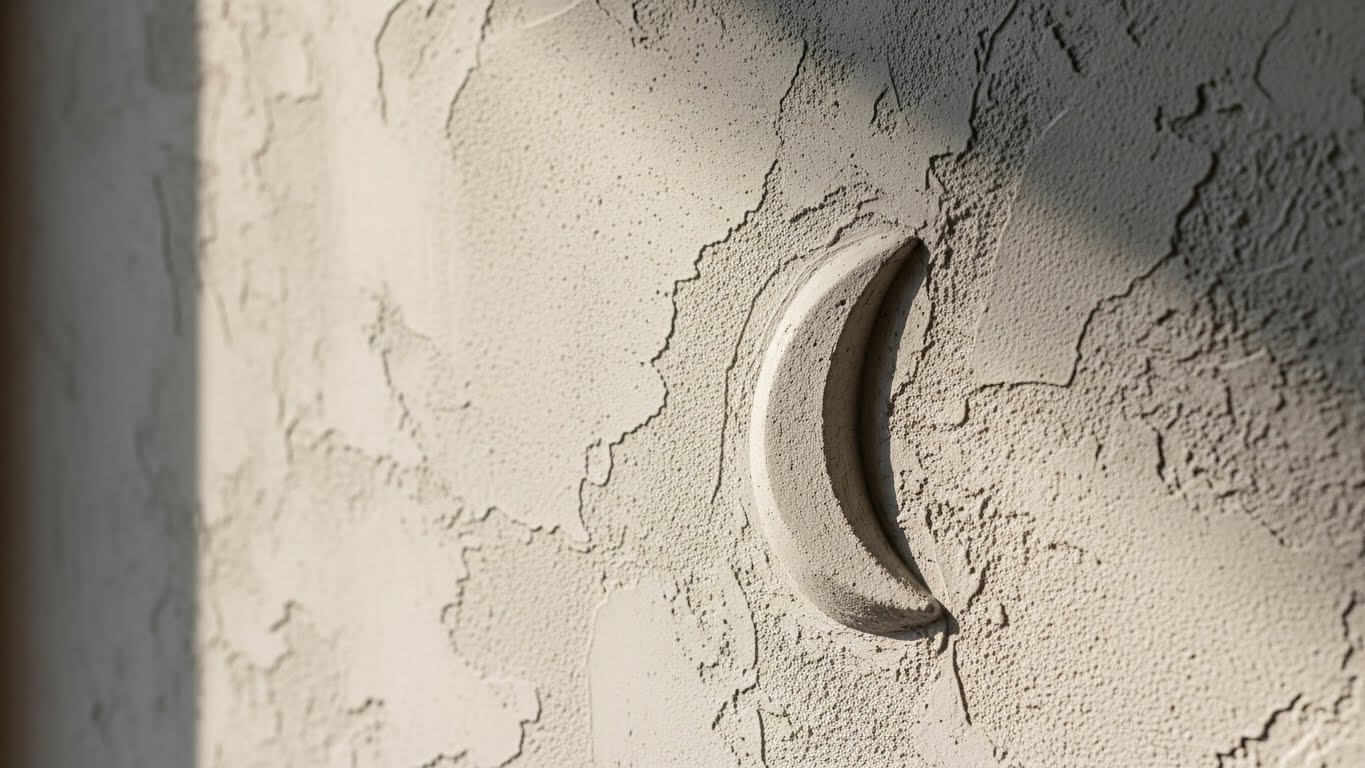
Texture offers something prints can’t: it interacts with light, shadow, and movement. Limewash finishes, for example, create soft variation across a wall without introducing pattern. The surface shifts subtly throughout the day, adding interest without visual noise.
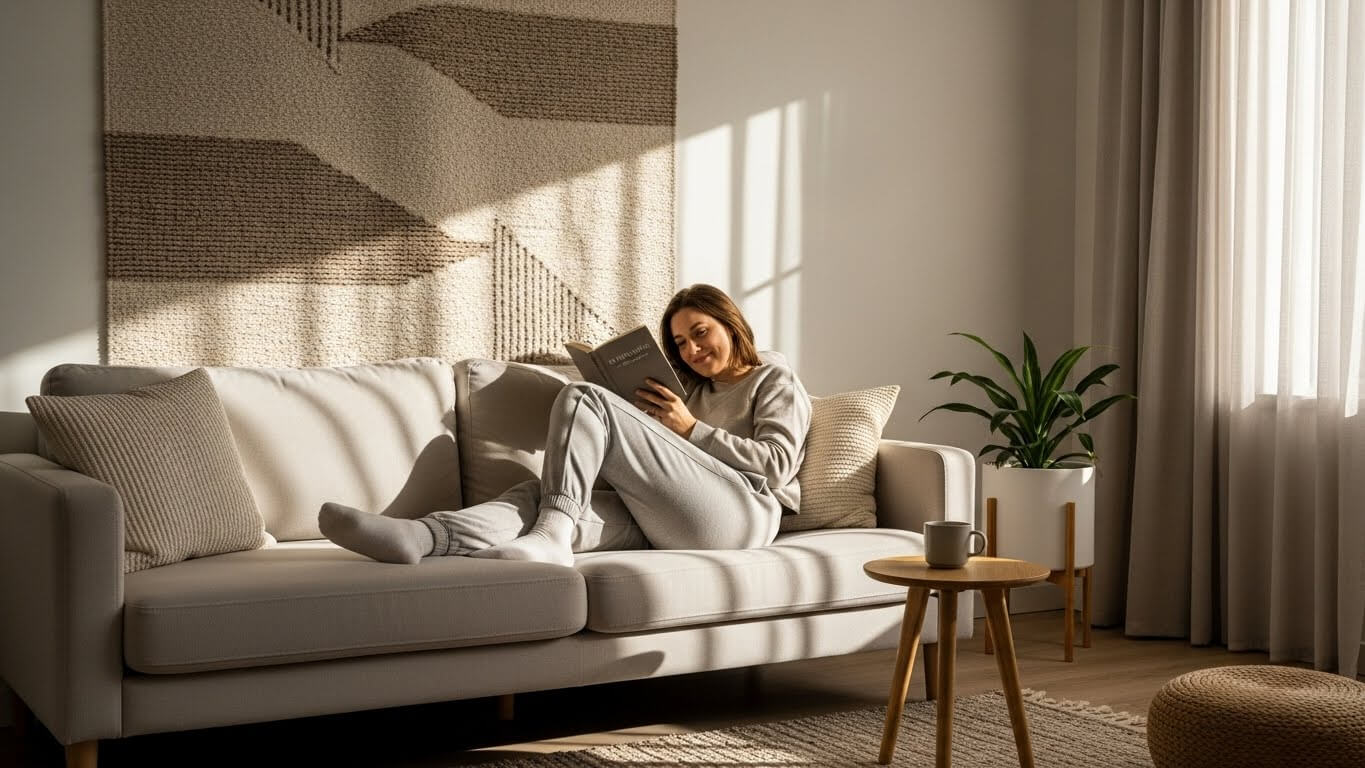
Fabric-based wall decor—such as woven panels or textile hangings—introduces warmth and softness, especially in rooms with hard surfaces. Plaster textures add depth through gentle relief rather than color contrast, making walls feel tactile and grounded. Ceramic wall pieces, used sparingly, bring an organic quality that feels handcrafted rather than decorative.
These textures don’t ask to be noticed all at once. They reveal themselves slowly, which is why they work so well in minimalist homes designed for long-term living rather than quick visual impact.
Placement Over Quantity — The New Rule
One of the biggest shifts in minimalist wall decor isn’t what people are choosing—it’s how intentionally they’re placing it. Adding more pieces rarely fixes a room that feels off. In fact, it often makes the problem worse. Modern minimalist spaces work best when wall decor is treated as part of the room’s layout, not an afterthought added to fill space.
Quantity used to signal completeness. Now, clarity does. A single well-placed element can bring more balance to a room than multiple pieces scattered without a clear purpose. This approach allows walls to support furniture placement, movement, and sightlines instead of competing with them.
How to Decide Where Wall Decor Actually Belongs
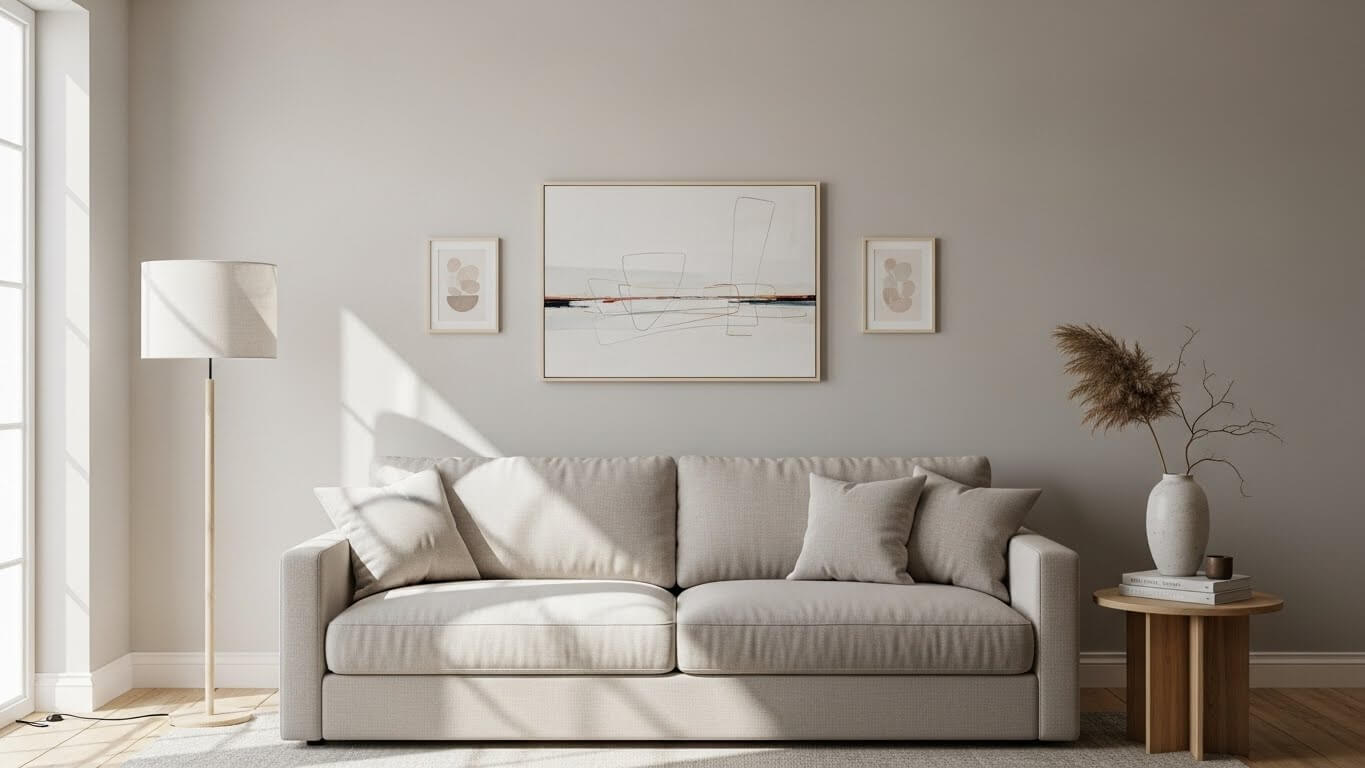
Sofa walls are one of the most common problem areas. People often overdecorate them because they feel large and exposed. In reality, this wall usually needs one strong, centered decision rather than multiple smaller ones. A single piece scaled to the width of the sofa—or one subtle horizontal element—often creates a cleaner, more grounded look.
Eye-level logic also matters more than most people realize. Wall decor should relate to how a room is actually used. In living rooms, art often looks better slightly lower than expected, aligning with seated eye level rather than standing height. This makes the space feel more comfortable and intentional.
Vertical versus horizontal balance is another key factor. Tall ceilings benefit from vertical elements that echo height, while wider rooms feel calmer with horizontal emphasis. Let the room’s proportions guide the orientation of your wall decor.
Negative Space as a Design Tool
Negative space isn’t wasted space—it’s an active part of minimalist design. Leaving areas of a wall intentionally open gives the eye a place to rest and allows decorated areas to stand out more clearly.
When every section of a wall is filled, nothing feels important. By contrast, when decor is given space around it, the room feels calmer and more deliberate. In minimalist homes, restraint isn’t about doing less—it’s about choosing where to do something, and where to let the wall simply exist.
Natural Materials Driving Minimalist Wall Decor
As minimalist wall decor has evolved, there’s been a clear move away from artificial finishes and toward materials that feel grounded and lived-in. In real homes, walls are exposed to changing light, daily movement, and long-term wear. Natural materials tend to respond better to these conditions, aging gracefully instead of looking tired or dated.
This shift isn’t about aesthetics alone. Natural surfaces often soften sound, reflect light more gently, and create a sense of warmth that purely decorative elements struggle to achieve. In minimalist spaces—where there’s less visual distraction—material quality becomes more noticeable. What the wall is made of starts to matter as much as how it looks.
Materials That Age Well in Real Homes
Certain materials consistently hold up over time. Natural wood, especially in light to medium tones, develops character rather than wear. Subtle grain variations add depth without overpowering the space. Clay and ceramic wall pieces age well because minor imperfections only enhance their handmade feel.
Linen, cotton, and canvas-based wall decor also perform well in minimalist homes. They soften hard surfaces and improve acoustics while maintaining a calm visual presence. Stone and concrete-inspired finishes offer durability and quiet texture, particularly in modern interiors where clean lines dominate.
These materials don’t demand attention. They integrate slowly into the space, which is why they remain appealing long after trend-driven decor fades.
Materials That Break the Minimalist Feel
Not every material supports minimalist wall decor equally well. High-gloss finishes, overly reflective surfaces, and synthetic textures often disrupt the calm. They catch light aggressively and can make walls feel visually noisy, even when used sparingly.
Overly processed materials that imitate natural textures without depth can also feel flat and temporary. In minimalist spaces, these shortcuts become more obvious. Choosing fewer, better materials builds trust in the design and prevents the space from feeling staged or disposable.
Color in Minimalist Wall Decor (Without Going Cold)
Color plays a quieter role in minimalist wall decor, but it’s far from unimportant. Many people associate minimalism with stark white walls, only to find their spaces feeling cold or impersonal over time. The issue usually isn’t the lack of color—it’s the lack of warmth and intention behind it.
Modern minimalist homes use color to support atmosphere rather than define it. Walls are chosen to calm the space, soften light, and create continuity between rooms. When color is handled thoughtfully, it adds depth without turning the wall into a focal point. The goal isn’t to remove color, but to reduce contrast and visual tension.
Best Color Families for Minimalist Walls
Warm off-whites are replacing pure white in many minimalist homes. These shades reflect light gently and adapt better to different times of day. Soft greige, muted beige, and light stone tones also work well, offering neutrality without feeling flat.
Earth-inspired colors—such as clay, sand, or soft olive—are often used sparingly on a single wall. When kept subdued, these tones add warmth and grounding without overpowering the room. The key is restraint: fewer colors, used with confidence.
One Wall, One Job Principle
In minimalist design, not every wall needs to say something. The one wall, one job principle helps prevent visual overload. A wall might exist purely to reflect light, support furniture, or provide a calm backdrop.
Another wall might carry texture or subtle color variation. By assigning each wall a clear role, the room feels organized rather than empty. This approach allows color to enhance the space quietly, keeping the minimalist feel intact without drifting into cold or lifeless territory.
Common Minimalist Wall Decor Mistakes
Minimalist wall decor works best when it’s intentional, but small missteps can easily push a space in the wrong direction. Many people adopt minimalism by removing items without reconsidering balance, proportion, or function. The result isn’t always calm—it can feel sparse, awkward, or unresolved.
Another common mistake is treating minimalist decor as a strict formula. Copying a look without adapting it to the room’s size, light, or purpose often leads to spaces that feel more like showrooms than homes. Minimalism should respond to how a room is used, not override it.
When Minimalism Feels Empty or Unfinished
A room usually feels unfinished when walls lack context. Large surfaces left completely bare, especially in high-traffic areas, can feel cold or echo-heavy. This often happens when decor is removed without replacing it with texture, tonal variation, or a clear focal point.
If a space feels temporary or makes you constantly think about what’s missing, that’s a sign the wall hasn’t been intentionally resolved. Minimalism should create certainty, not visual doubt.
Simple Fixes That Don’t Ruin the Look
Small adjustments can restore balance without breaking the minimalist feel. Adding one textured element—such as a fabric wall piece or subtle surface finish—often makes a big difference. Adjusting placement, lowering art to eye level, or simplifying what’s already there can also help.
The goal isn’t to add more, but to add better. Thoughtful refinement keeps minimalist wall decor calm, functional, and complete.
Minimalist Wall Decor by Room Type
Minimalist wall decor works best when it responds to how each room is actually used. Applying the same approach everywhere can flatten a home’s character. Instead, walls should support the purpose and rhythm of each space while maintaining overall visual calm.
Different rooms call for different levels of presence. A living room benefits from a clear focal point, while a hallway needs guidance and flow. When minimalist principles are adapted rather than copied, the home feels cohesive without feeling repetitive.
Living Rooms
Living rooms are visual anchors of the home, which makes wall restraint especially important. A single focal wall—usually behind the sofa—often works better than multiple decorated surfaces. One properly scaled piece or a subtle textural element can ground the seating area without overwhelming it.
The remaining walls should stay visually quiet, allowing furniture, lighting, and movement to define the space. This balance keeps the room feeling open while still complete.
Bedrooms
Bedrooms benefit from softer, more subdued wall decor. Bold visuals can feel overstimulating in a space meant for rest. Textured finishes, fabric-based wall pieces, or muted tonal shifts work well here.
Symmetry often helps bedrooms feel settled. A centered element above the bed or evenly balanced surfaces on either side create calm without drawing unnecessary attention.
Hallways & Entryways
Hallways and entryways are transitional spaces, which makes minimalism particularly effective. Vertical elements help guide movement, while slim frames or sculptural pieces add interest without clutter.
Because these spaces are passed through rather than lived in, wall decor should be intentional but light. The goal is to create a sense of flow, not a destination.
Frequently Asked Questions
Is minimalist wall decor practical for family homes?
Yes, when it’s approached thoughtfully. Minimalist wall decor often reduces visual clutter, which can make family spaces feel calmer and easier to manage. Choosing durable materials, secure placements, and fewer but better pieces helps walls stay functional without feeling precious or fragile.
Does minimalist wall decor work in small spaces?
Minimalist wall decor is especially effective in small homes. Fewer visual interruptions help rooms feel more open and less crowded. Subtle texture, light-reflective finishes, and intentional negative space can make compact areas feel larger without relying on heavy decoration.
How can minimalist wall decor work in rental homes?
Rentals benefit from non-permanent solutions. Fabric wall hangings, removable hooks, lightweight frames, and surface-based texture allow renters to create warmth without altering walls. Minimalism works well here because it relies more on restraint and placement than permanent installations.
Is minimalist wall decor more expensive to achieve?
Not necessarily. Minimalism prioritizes fewer items, which often balances out costs. Investing in one well-made piece or a quality surface finish can be more affordable than constantly buying trend-driven decor. The focus is on longevity rather than quantity.
Can minimalist wall decor still feel personal?
Yes. Minimalism doesn’t remove personality—it refines it. A single meaningful object, a handmade piece, or a subtle reference to personal taste often feels more authentic than multiple decorative items. Personalization comes from intention, not volume.
How much maintenance does minimalist wall decor require?
Minimalist walls are generally easier to maintain. Fewer objects mean less dusting and visual upkeep. Natural materials age gracefully, so minor wear feels acceptable rather than problematic. Maintenance becomes simpler, not more demanding.
How do I know when a wall is “done” in a minimalist home?
A wall is done when it feels settled, not when it’s full. If the space feels calm and doesn’t prompt you to add something every time you pass by, it’s likely resolved. Minimalism favors quiet confidence over constant adjustment.
Final Thoughts on Minimalist Wall Decor
Minimalist wall decor isn’t about following a look—it’s about creating spaces that feel easier to live in. When walls are treated with intention, they stop demanding attention and start supporting daily life. Rooms feel calmer, more balanced, and more adaptable over time.
The most successful minimalist homes aren’t empty or strict. They’re edited. Each wall has a reason for being the way it is, whether that means carrying subtle texture or simply staying quiet. When decisions are made thoughtfully, minimalism becomes less about restraint and more about clarity—allowing the home to feel settled, comfortable, and genuinely lived in.