

Modern & Minimalist Guide
I still remember the first time I saw textured wall art on Instagram.
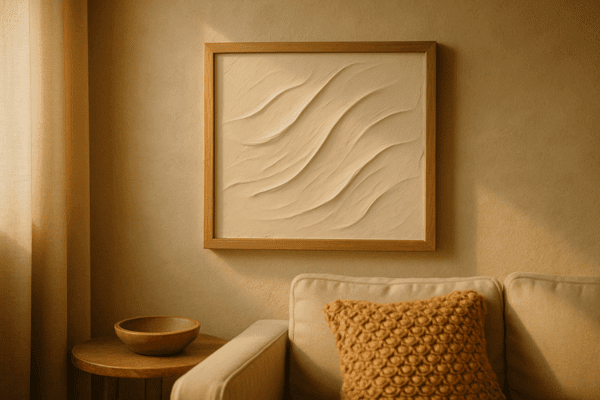
It was one of those minimalist, creamy-toned canvases with ripples and ridges that caught the light just right — elegant, calming, and effortlessly modern. I clicked the link, thinking maybe I’d buy one, until I saw the price: $450.
That’s when I thought, No way. I can make this myself.
The next day, I grabbed some spackle, a palette knife, and an old canvas I’d nearly tossed out. A few messy experiments later, my first piece came to life — imperfect but full of personality. It turns out, textured DIY wall art is one of the most satisfying (and surprisingly easy) ways to create custom, high-end décor for a fraction of the cost.
Here’s everything you need to know to make your own.
Why Textured Wall Art Is Trending
Texture adds something flat paint never can — dimension. It transforms blank walls into tactile experiences.
In recent years, social media platforms like Pinterest and TikTok have made plaster and spackle art one of the hottest home décor trends. Why? Because it combines three magic elements:
- Simplicity – Minimal color, maximum impact.
- Affordability – Most projects cost under $30.
- Personality – Every texture pattern is one-of-a-kind.
Whether your home leans boho, modern, or wabi-sabi, textured art brings warmth, craftsmanship, and serenity into your space.
Tools & Materials You’ll Need
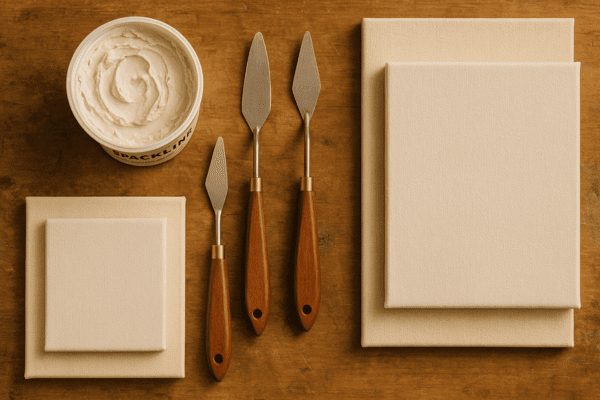
You don’t need a full workshop to create stunning texture — just a few basic tools.
Materials
- Blank canvas or wood panel
- Lightweight spackle or joint compound
- Putty knife or palette knife
- Mixing bowl or tray
- Sandpaper (medium to fine grit)
- Acrylic or chalk paint (neutral tones work best)
- Optional: molding paste or plaster of Paris
Tools
- Painter’s tape (for clean edges)
- Damp cloth (for blending or softening)
- Old credit card (great for scraping smooth lines)
- Frame or floating mount (optional, for finished look)
💡 Pro tip: Use pre-primed canvases — plaster adheres better and cracks less.
Understanding Different Texture Techniques
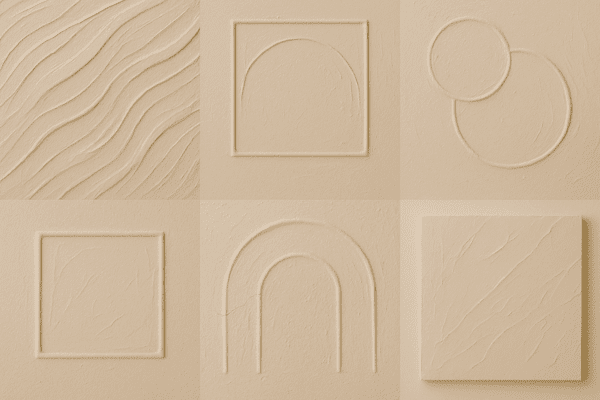
Here’s where the creative magic happens. Each technique gives your wall art a unique mood — soft and serene, bold and sculptural, or clean and minimal.
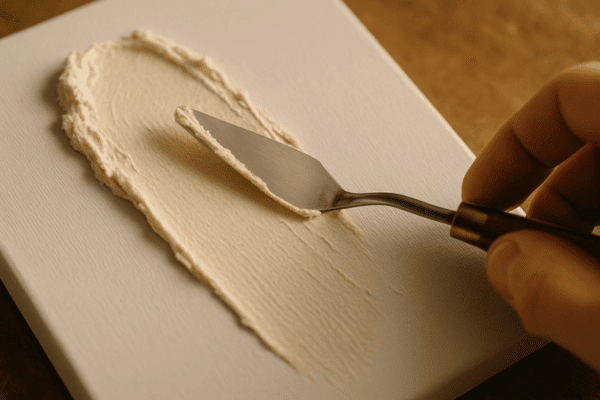
1. The Spackle Swipe Technique
This is the easiest and most beginner-friendly method.
How to do it:
- Scoop a small amount of spackle onto your palette knife.
- Swipe it across the canvas in smooth, overlapping strokes.
- Alternate directions — horizontal, vertical, diagonal — for organic patterns.
- Let dry for 12–24 hours before painting.
The result? A soft, modern surface that looks like high-end textured plaster.
2. The Plaster Layering Technique
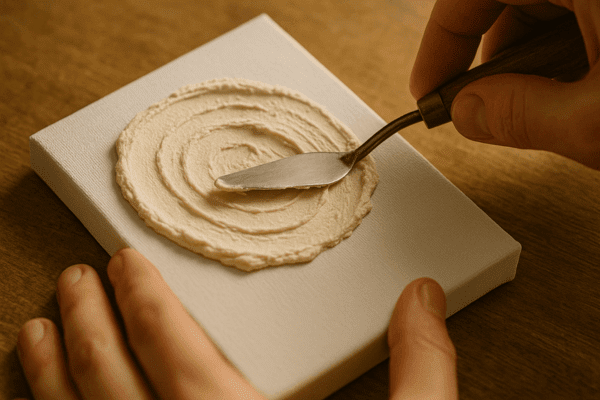
This method adds depth and dimension — great for creating a 3D sculpted look.
Steps:
- Mix plaster of Paris or joint compound to a thick consistency.
- Apply in sections using a trowel or knife.
- Build layers gradually, letting each dry slightly before adding the next.
- Use circular motions to form waves or swirls.
It gives your artwork a museum-quality texture that feels luxurious and timeless.
3. 3D Abstract Forms
If you’re feeling experimental, sculpt 3D shapes — arches, petals, or geometric ridges.
Technique:
- Use thicker plaster or joint compound.
- Apply in defined mounds or lines.
- Shape using the edge of your knife or a spoon.
- Once dry, sand lightly to smooth any sharp edges.
You can keep it white for a modern gallery vibe or paint over it for a dramatic finish.
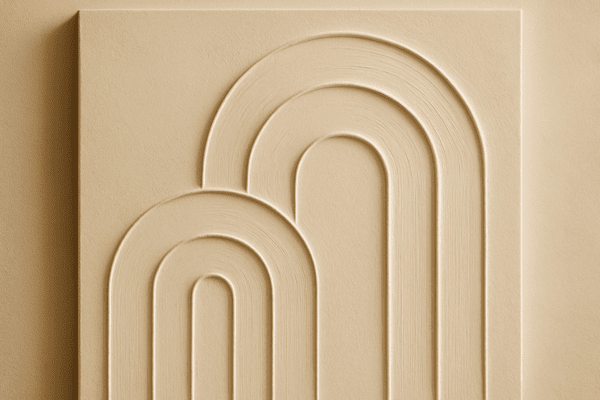
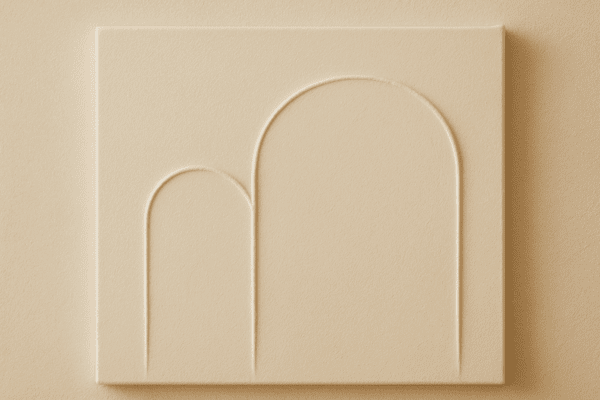
4. Minimalist Arch & Wave Patterns
This trend is everywhere in 2025 — think calm neutrals with soft curves.
Try this:
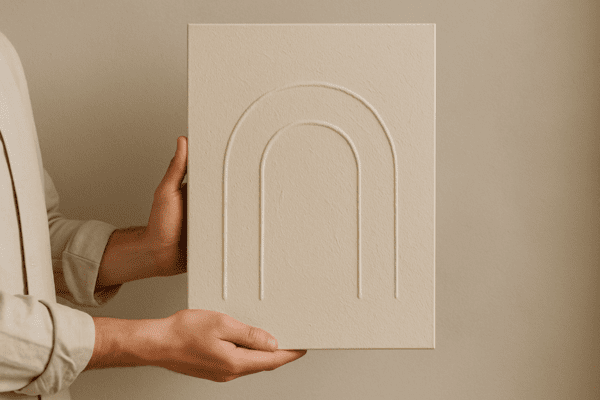
- Tape off an arch shape with painter’s tape.
- Spread texture inside the shape with your knife.
- Remove the tape while still damp for crisp edges.
- Once dry, paint the arch a shade lighter or darker than your wall.
It’s perfect for hallways, bedrooms, or entryways — subtly stylish without shouting for attention.
Step-by-Step: Create a Neutral Textured Canvas
Let’s make your first masterpiece. Here’s a simple process that even total beginners can nail.
You’ll Need
- 16×20 inch canvas
- Lightweight spackle
- Palette knife
- Beige or off-white acrylic paint
Steps
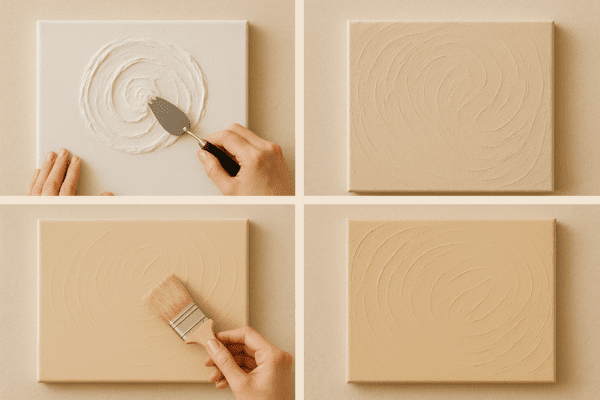
- Prep your canvas. Wipe it clean and tape the edges if you want a border.
- Apply your first layer. Use a palette knife to spread a thin, even coat of spackle.
- Build texture. Add a second, thicker layer — move your knife in swoops or curves.
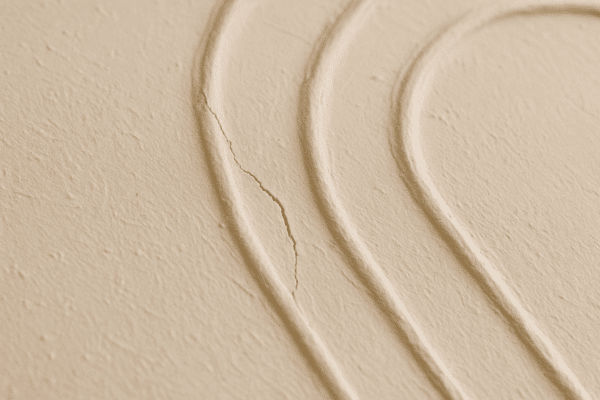
- Let it dry. Wait at least 24 hours (no shortcuts — cracking happens if you rush).
- Sand gently. Focus on raised spots for a balanced look.
- Paint and seal. Apply a soft neutral color — ivory, beige, or warm white — then finish with a matte sealer.
That’s it. You’ve just made your first textured art piece that looks designer but cost next to nothing.
Painting, Sealing & Framing Options
How you finish your piece can completely change its aesthetic.
- Matte paint: Keeps it natural and minimalist.
- Gloss paint: Adds a polished, modern edge.
- Metallic finish: Use dry brushing with gold or bronze paint for subtle luxury.
- No paint: Keep it raw white for a “sculpted plaster” effect.
Framing Options
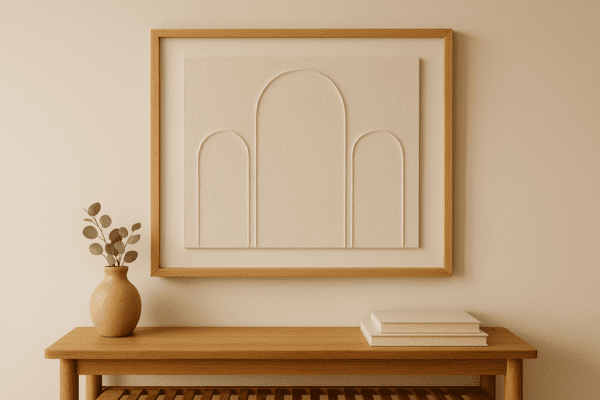
- Thin wood frames for Scandinavian vibes
- Floating canvas frames for gallery feel
- No frame for relaxed, contemporary rooms
Styling Ideas for Every Room
Textured art fits everywhere, but it thrives in spaces that crave calm and warmth.
Living Room
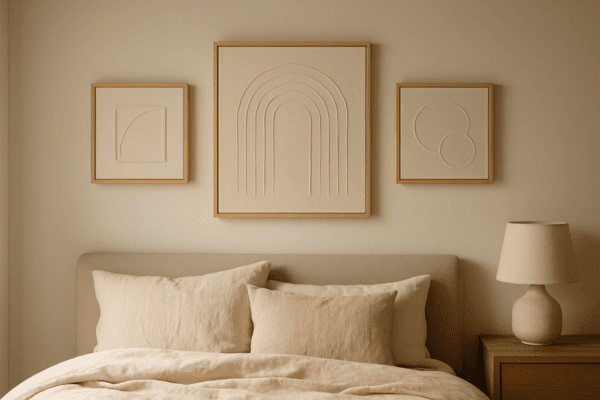
Bedroom
Choose soft plaster waves or arch patterns. They blend beautifully with linen bedding and soft lighting.
Bathroom or Entryway
Smaller 12×12 canvases make subtle yet chic accents.
Common Mistakes to Avoid
Even simple materials can be tricky if you skip the basics:
- Applying too thickly. Heavy layers crack easily.
- Skipping drying time. Patience is your best friend.
- Painting too soon. Paint seals in moisture, leading to bubbles or peeling.
- Over-sanding. You’ll lose the beautiful texture you just built.
- Using the wrong compound. Avoid fast-drying spackles for beginners; they set too quickly.
DIY Texture Wall Art Gallery (10+ Inspo Ideas)
Looking for your next weekend project? Try one of these:
- Textured neutral arch canvas
- White-on-white minimalist plaster art
- Wavy spackle strokes in taupe and ivory
- Layered abstract ridge designs
- Gold-leaf accented texture panels
- Rustic plaster art with visible knife marks
- Soft ombre texture from beige to cream
- Oversized plaster triptych set
- 3D abstract floral texture canvas
- Round textured wall panels for modern hallways
Final Thoughts
Textured wall art is one of those rare DIY projects that delivers instant gratification — it’s simple, stylish, and endlessly customizable.
The best part? Each piece is beautifully imperfect. The curves, grooves, and subtle flaws are what make it human — what make it yours.
So grab that spackle, play some music, and let your hands create something that even the fanciest décor stores can’t replicate: art with soul.
❓ People May Ask (FAQ)
Q1. What’s the difference between spackle and plaster for wall art?
Spackle is lighter and easier for beginners, while plaster of Paris gives a denser, sculpted finish.
Q2. Can I paint textured wall art in color?
Yes! Try muted pastels, beige, or warm gray. Avoid glossy paints that hide detail.
Q3. How long does textured wall art take to dry?
Typically 24–48 hours, depending on layer thickness and humidity.
Q4. Does plaster art crack over time?
Only if applied too thickly or dried too fast — seal with matte varnish to prevent it.
Q5. Can I add other materials like wood or rope?
Absolutely. Combining materials adds depth and fits perfectly with mixed-media décor trends.
✍️ About the Author
Written by Adeel Mushtaque — a passionate DIY creator and décor enthusiast who transforms everyday materials into meaningful art. From wood and canvas to plaster and paint, Adeel helps readers find creativity and calm through affordable home design projects.