
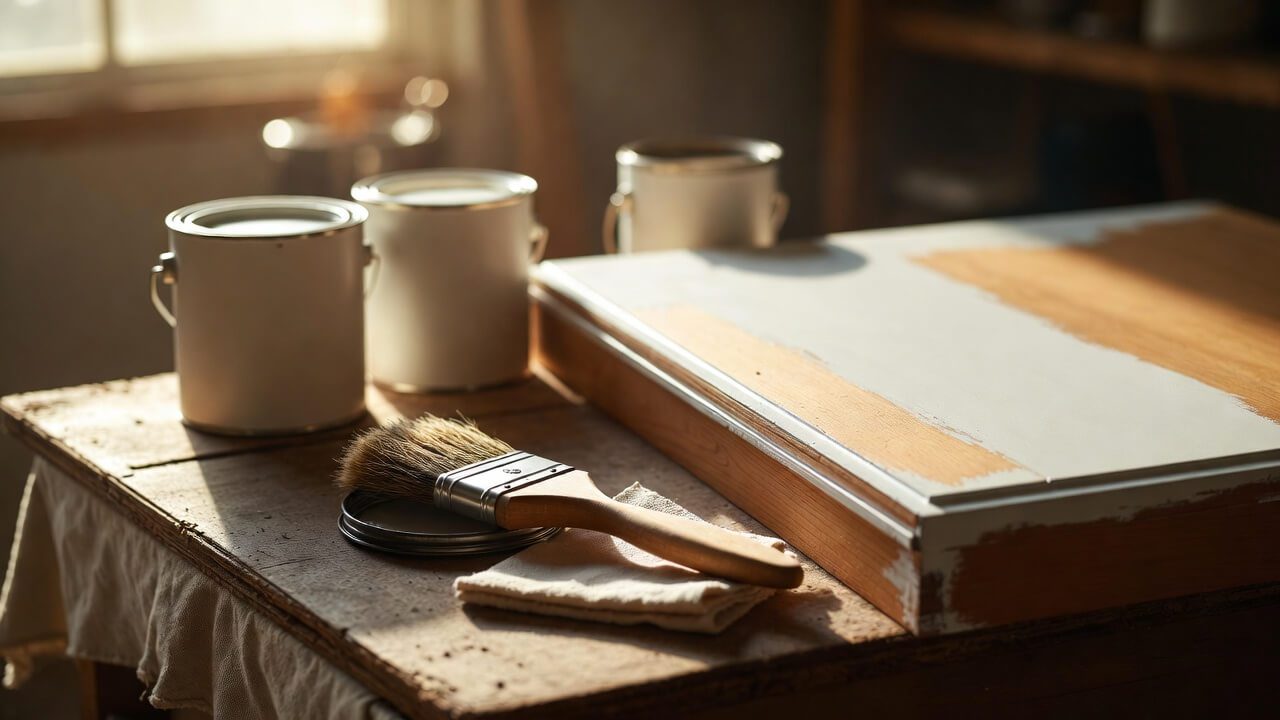

There is a quiet revolution happening inside garage workshops and spare bedrooms across the country, and it smells a lot better than it used to. If you have spent any meaningful time flipping furniture indoors, you already know the kind of headache that comes with traditional oil-based primers. Literally. The fumes hit fast, the room needs days of ventilation, and you end up with watery eyes and a splitting migraine before you have even touched a brush to the second coat. Health-conscious crafters and seasoned furniture flippers alike are walking away from those toxic formulas in favor of something far smarter: low-VOC and non-toxic furniture primers that actually perform at a professional level.
VOC stands for volatile organic compounds, and these are the chemical gases released as paint and primer dry. According to the United States Environmental Protection Agency VOC concentrations indoors can be two to five times higher than outdoor levels, and that figure climbs dramatically during and after painting projects. For anyone working in a basement, a small studio, or an apartment, that is a real health concern, not just an inconvenience.
The good news is that the best low-VOC furniture primer options today are no longer a compromise. They bond, they block stains, they sand beautifully, and they accept topcoats with the same reliability you would expect from any professional-grade product. This guide is built to cut through the noise and point you directly to the five non-toxic furniture primer picks worth your money, your time, and your trust.
Quick-Pick Summary: Best Low-VOC Furniture Primers at a Glance
Before diving into the full breakdowns, here is a fast reference for busy flippers who want to get straight to the point:
- Zinsser Bulls Eye 1-2-3 Water-Based Primer: Best all-around performer for most wood furniture flips.
- KILZ Premium High-Hide Sealer Primer: Top pick for stain-blocking on thrifted or smoke-damaged pieces.
- Rust-Oleum 2-in-1 Filler and Sandable Primer: Best for filling grain and surface imperfections before painting.
- Sherwin-Williams Extreme Block Primer: Premium choice for heavily distressed or raw wood furniture.
- Benjamin Moore Fresh Start All-Purpose Primer: Best for flippers who prioritize adhesion quality and a flawless finish.
Tools and Materials You Will Need for a Low-VOC Primer Project
Switching to a water-based wood primer does not mean your supply list changes dramatically. Most of what you already reach for in a furniture flip applies here. That said, a few specifics help you get the best results out of low-VOC formulas.
- Synthetic bristle brush or foam roller: Low-VOC water-based primers perform best with synthetic bristles rather than natural hair brushes.
- Fine-grit sandpaper (180 to 220 grit): Sanding between coats ensures adhesion and smoothness.
- Tack cloth or lint-free rag: Remove dust before applying primer, especially important on older furniture.
- Painter’s tape: Protect hardware or areas you do not want primed.
- Low-VOC or zero-VOC topcoat paint: Pair your primer with a compatible finish for a fully non-toxic project.
- Mild TSP substitute or dish soap: Clean furniture surfaces before priming to improve adhesion.
- Nitrile gloves: Even with low-VOC products, it is good practice to protect your skin.
The 5 Best Low-VOC Primers for Indoor Furniture Flipping, Reviewed
1. Zinsser Bulls Eye 1-2-3 Water-Based Primer
This is the workhorse that most furniture flippers end up coming back to. Zinsser Bulls Eye 1-2-3 is a water-based primer with a low-VOC formula that adheres to virtually any surface without sanding. That is a genuine claim, not marketing fluff. On raw wood, previously painted pieces, MDF, and even laminate, this primer grips reliably and dries fast enough to topcoat within an hour under normal indoor conditions.
What makes it particularly useful for furniture flipping is its mildew-resistant finish, which matters if your workshop is a basement or garage prone to humidity. It sands easily and does not raise the wood grain the way some cheaper alternatives do. The odor is minimal compared to shellac-based primers, making it genuinely workable in a small indoor space. It cleans up with soap and water, saving you from dealing with mineral spirits.
Best for: All-purpose flipping on a variety of surfaces. Available at most major hardware retailers and online.
Price range: Budget to mid-range, approximately $20 to $30 per quart.
2. KILZ Premium High-Hide Sealer Primer
If you are sourcing furniture from thrift stores, estate sales, or Facebook Marketplace, you will inevitably encounter pieces with smoke damage, pet odors, water stains, or years of nicotine buildup. Standard primers often struggle to block these kinds of stains from bleeding through your topcoat. KILZ Premium changes that equation.
This water-based high-hide primer delivers exceptional stain blocking performance while keeping VOC levels low enough for comfortable indoor use. It dries to a bright white finish that gives your topcoat a clean canvas to work from, improving color accuracy and reducing the number of finish coats you need. The formula is slightly thicker than Zinsser Bulls Eye, which means it fills minor surface irregularities well but requires a touch more attention to avoid brush marks on flat panels.
Best for: Thrifted, distressed, or stained pieces that need a thorough seal before painting.
Price range: Mid-range, approximately $25 to $35 per quart.
3. Rust-Oleum 2-in-1 Filler and Sandable Primer
Open-grain wood like oak, ash, or mahogany presents a specific challenge in furniture flipping. The grain texture telegraphs through your topcoat unless you fill it first, and doing that with a standard primer takes multiple thick coats plus aggressive sanding. Rust-Oleum’s 2-in-1 Filler and Sandable Primer exists specifically to solve that problem.
The formula is considerably thicker than a standard primer, designed to fill grain lines, small dings, and surface texture in fewer coats. It sands down beautifully with 220-grit paper to a genuinely smooth finish that makes a dramatic difference in how professional your painted end result looks. The low-VOC water-based formula means you can work indoors without the same chemical exposure concerns that accompany oil-based grain fillers. It does take longer to dry fully before sanding, so patience pays off here.
Best for: Open-grain wood furniture where a smooth, glass-like painted finish is the goal.
Price range: Budget to mid-range, approximately $15 to $28 per quart.
4. Sherwin-Williams Extreme Block Primer
For the furniture flippers who deal with heavily distressed pieces, raw unfinished wood, or items that have been stripped bare with chemical removers, Sherwin-Williams Extreme Block Primer is a step above the typical big-box options. It is a premium water-based stain-blocking primer with outstanding adhesion characteristics and a formula built to seal porous surfaces aggressively.
The coating is thick and builds quickly, which means you often need only a single coat even on raw, thirsty wood. It resists tannin bleed from oak and cedar, which is a common problem that causes yellow or brown staining under light paint colors. Sherwin-Williams products meet strict low-VOC standards and the Extreme Block formula is workable indoors without overwhelming fumes. You will typically need to purchase this one at a Sherwin-Williams store or order it online, as it is less widely stocked than the other picks on this list.
Best for: Raw wood, tannin-rich species, and stripped furniture that needs serious sealing.
Price range: Premium, approximately $40 to $55 per quart.
5. Benjamin Moore Fresh Start All-Purpose Primer
Benjamin Moore has built an exceptional reputation in the professional painting world, and their Fresh Start All-Purpose Primer lives up to it. This is the best non-toxic furniture primer on this list for flippers who prioritize a flawlessly smooth finish and are willing to invest a little more to get it. It adheres brilliantly to wood, delivers an ultra-uniform surface for topcoats, and levels beautifully with both brush and roller application.
The low-VOC formula has almost no perceptible odor, making it genuinely pleasant to use indoors. It is compatible with both oil-based and water-based topcoats, which gives you flexibility in how you finish a piece. For flippers who are producing high-end, resale-ready furniture or selling on platforms like Chairish or Etsy, the quality difference that Fresh Start delivers at the topcoat stage is noticeable and worth the price.
Best for: Premium flips and high-end resale pieces where finish quality is a top priority.
Price range: Premium, approximately $45 to $60 per quart.
Cost Breakdown: Budget, Mid-Range, and Premium Options
Not every furniture flip warrants the same level of investment in primer. Here is a realistic cost framework to help you match your spend to the project:
Budget Tier: Under $25 per Quart
Rust-Oleum 2-in-1 Filler and Sandable Primer sits comfortably in this range and delivers genuine value for everyday flips. At this price, you are not sacrificing performance for clean, prepared wood surfaces. This tier is ideal for flippers who are building volume and need reliable results without inflating their cost per piece.
Mid-Range Tier: $25 to $40 per Quart
Zinsser Bulls Eye 1-2-3 and KILZ Premium both land in this tier. These are the sweet spot options for most furniture flippers, offering professional-level adhesion, stain blocking, and compatibility with the water-based wood primer workflow most DIYers already use. A quart of either primer covers approximately 75 to 100 square feet, which means a single quart handles multiple pieces per project.
Premium Tier: $40 and Above per Quart
Sherwin-Williams Extreme Block and Benjamin Moore Fresh Start are premium products worth the investment when your end piece demands it. If you are selling flipped furniture at higher price points or working on antique or heirloom-quality pieces, the finish quality and adhesion strength these primers deliver translates directly into a better product and a happier customer.
Comparison: Which Low-VOC Primer Is Right for Your Project?
Choosing the right primer depends on three main variables: the condition of your piece, the wood species you are working with, and the finish quality you are targeting. Here is how to think through the decision quickly.
Clean, solid wood in good condition: Zinsser Bulls Eye 1-2-3 is your fastest path to a topcoat-ready surface.
Thrifted piece with stains or odors: KILZ Premium is purpose-built for this scenario and outperforms standard primers significantly.
Open-grain wood where smoothness matters: Rust-Oleum Filler and Sandable Primer saves you coats and sanding time.
Raw or stripped wood: Sherwin-Williams Extreme Block seals aggressively and prevents tannin bleed.
Premium finish for high-end resale: Benjamin Moore Fresh Start gives you the closest thing to a factory-smooth primed surface available in a DIY product.
Common Mistakes When Using Low-VOC Primers on Furniture
Switching to a non-toxic furniture primer does not automatically guarantee great results. There are a handful of mistakes that trip up even experienced flippers when they first make the transition.
- Skipping surface prep: Low-VOC water-based primers are not miracle workers on dirty surfaces. Grease, wax, or silicone residue will cause adhesion failure. Always clean furniture thoroughly with a TSP substitute or degreaser before priming.
- Applying coats too thick: Water-based primers can sag or drip if applied too heavily in a single pass. Two thin coats will always outperform one thick one.
- Not allowing full cure before sanding: These primers dry to the touch quickly, but full cure before sanding typically takes at least two to four hours depending on humidity and temperature. Sand too soon and you will gum up your sandpaper and pull the primer off.
- Using natural bristle brushes: Natural hair brushes absorb water from the formula and lose their shape, resulting in uneven coverage. Always use synthetic bristle brushes or foam rollers with water-based products.
- Applying in cold or humid conditions: Low-VOC water-based primers perform best between 50 and 90 degrees Fahrenheit and in lower humidity. Working in a cold garage in winter will cause adhesion problems and extended dry times.
- Ignoring compatibility with the topcoat: Most water-based primers work beautifully under water-based topcoats. Using an oil-based topcoat over a water-based primer can cause adhesion issues unless you confirm compatibility on the product label.
Longevity and Maintenance: Making Your Painted Finish Last
A good primer is the foundation of a long-lasting furniture finish, but it is only part of the equation. Understanding how to maximize the lifespan of your painted pieces is essential, especially if you are selling flipped furniture and want your reputation to reflect quality workmanship.
The American Coatings Association has noted that low-VOC formulas have improved significantly in film-forming technology, meaning modern low-VOC primers create a durable, protective base that competes directly with traditional oil-based options. This is great news for indoor flippers, because it means choosing a safer product no longer means sacrificing durability.
For furniture that will see daily use such as dining chairs, coffee tables, or dressers, apply a minimum of two coats of primer followed by two to three coats of a durable topcoat. Finish with a clear furniture wax or a water-based polycrylic sealer to protect the surface from scratches, moisture, and everyday wear. Avoid silicone-based products as they interfere with future refinishing.
Touch-ups are simpler with water-based systems because there is no color-matching headache from yellowing, which is a common issue with oil-based finishes over time. Keep a small amount of your topcoat color on hand for easy spot repairs. A well-primed and sealed piece can last five to ten years or more with normal care.
For more detailed guides on preparing furniture for a flip, including surface stripping, repairs, and choosing the right topcoats, CraftsnComforts has a growing library of step-by-step tutorials that walk you through the entire process from sourcing to a finished, sellable piece.
Why Low-VOC Matters: The Health Context Behind the Trend
This is not just a passing trend in the DIY niche. The shift toward non-toxic and low-VOC painting supplies reflects a growing body of evidence about indoor air quality and its real impact on health. The National Institute for Occupational Safety and Health has conducted research linking repeated VOC exposure from paints and coatings to respiratory irritation, headaches, dizziness, and in cases of chronic exposure, more serious health effects. For hobbyists who flip furniture occasionally, the risk is lower, but for those who flip regularly in a home workspace, the cumulative exposure is worth taking seriously.
Choosing the best low-VOC furniture primer is also a smart move for households with children, elderly family members, or anyone with respiratory sensitivities. Products certified by GREENGUARD Gold (https://www.ul.com/resources/greenguard-certification) meet some of the strictest chemical emission standards available for indoor environments. When shopping for primers, looking for this certification or a VOC level below 50 grams per liter is a reliable shorthand for a genuinely low-emission product.
Beyond the personal health argument, low-VOC products are increasingly appealing to buyers of flipped furniture who are themselves health-conscious. Mentioning the use of non-toxic, low-VOC products in your Marketplace listings or Etsy shop descriptions is a genuine selling point that resonates strongly with today’s eco-aware consumer base. It can differentiate your pieces from the competition and justify a higher asking price.
FAQ: Your Low-VOC Primer Questions Answered
Q1. What does low-VOC actually mean on a primer label?
Low-VOC means the product contains fewer volatile organic compounds than conventional formulas. In the United States, a primer is generally considered low-VOC if it contains fewer than 50 grams of VOCs per liter. Zero-VOC products contain fewer than 5 grams per liter. The lower the number, the fewer chemical gases are released into your indoor air as the product dries.
Q2. Can I use a low-VOC primer on laminate furniture?
Yes, but surface preparation is critical. Laminate is non-porous and extremely smooth, which makes adhesion challenging for any primer. Lightly scuff the surface with 220-grit sandpaper, then apply a bonding primer like Zinsser Bulls Eye 1-2-3, which is specifically formulated to grip slick surfaces. Do not skip the scuffing step, as it significantly improves how well the primer bonds.
Q3. How many coats of low-VOC primer do I need for furniture?
For most furniture flips on clean, solid wood, one to two coats of a quality low-VOC primer is sufficient. Raw or heavily porous wood may need two to three coats. Open-grain species like oak typically benefit from a grain-filling primer such as Rust-Oleum’s Filler and Sandable formula, applied in two coats, then sanded smooth before topcoating.
Q4. Do low-VOC primers require different dry times than traditional primers?
Low-VOC water-based primers typically dry to the touch within 30 to 60 minutes under good conditions, but full cure before a second coat or topcoat usually takes two to four hours. Oil-based primers often have longer dry times overall, so in many cases low-VOC primers actually move your project along faster, not slower.
Q5. Is an odorless paint primer the same as a low-VOC primer?
Not exactly, though there is significant overlap. An odorless paint primer has had fragrance masking agents added to reduce the smell, but it may still contain VOCs. A truly low-VOC primer has been formulated to reduce the compounds themselves. Always check the VOC content listed on the product data sheet, not just the odor claims on the front label.
Q6. Can I use low-VOC primers with chalk paint or mineral paint topcoats?
Absolutely. Water-based low-VOC primers are compatible with chalk paint, mineral paint, and most water-based decorative topcoats. In fact, priming before chalk paint is often recommended on slick or stained surfaces, as it improves adhesion significantly and reduces the number of chalk paint coats you need to achieve full coverage.
Q7. Are low-VOC primers safe to use around children and pets?
Low-VOC primers are significantly safer for indoor use around sensitive household members than conventional formulas, but it is still best practice to ventilate the room, keep children and pets away from the workspace during application, and allow the primer to cure fully before reintroducing them to the space. Fully cured water-based primers are considered non-toxic and safe once dry.
Q8. Where can I buy the best low-VOC furniture primer?
Most of the primers recommended in this article are available at major hardware retailers including Home Depot and Lowe’s, as well as online through Amazon. Sherwin-Williams and Benjamin Moore products are typically found at their dedicated retail stores or via their websites. Buying from Amazon is a convenient option and frequently the most cost-effective, especially when purchasing multiple quarts for a series of flips.
Conclusion: Smarter Priming Starts Here
The days of holding your breath through a primer coat are behind you. Today’s best low-VOC furniture primer options deliver the adhesion, stain blocking, and surface preparation quality that furniture flippers need, without the chemical exposure that made traditional oil-based products such a health liability for indoor work.
Whether you are just getting started with furniture flipping or you are a seasoned seller looking to upgrade your supply chain to something safer and more sustainable, the five primers covered in this guide give you a clear, confident path forward. Start with Zinsser Bulls Eye 1-2-3 if you need an all-around performer. Reach for KILZ Premium when stains are in the picture. Invest in Benjamin Moore Fresh Start when the piece demands the very best finish quality you can offer.
Your craft, your health, and your customers all benefit when you choose the right primer from the start. Pick the product that fits your current project, prep your surface carefully, and let the work speak for itself.
About the Author
Adeel Mushtaque is a home decor enthusiast and DIY art creator who believes that beautiful living spaces should not require a designer’s budget. With a passion for turning overlooked pieces into eye-catching, functional furniture, Adeel brings a creative yet practical lens to every project. His work centers on affordable techniques, thoughtful product choices, and the kind of stylish, livable results that inspire others to pick up a brush and transform their own spaces.