

A home can look clean at first glance and still feel heavy, dusty, or uncomfortable to live in. Most people have experienced this—surfaces wiped down, floors swept, yet the air doesn’t feel fresh and the space never truly resets. That frustration usually isn’t about effort. It’s about using cleaning habits that don’t actually solve the real problem.
Many cleaning routines are built around quick fixes. We rush through tasks, rely on familiar shortcuts, or repeat habits we learned years ago without questioning whether they still work. Over time, this leads to a cycle of constant cleaning with very little lasting impact. The home looks tidy for a moment, then quickly slips back into feeling cluttered, stale, or overwhelming.



Effective cleaning is less about doing more and more about doing the right things consistently. Small, intentional actions—done with purpose—can completely change how a home feels day to day. When cleaning tips are practical and realistic, they stop feeling like chores and start working quietly in the background of daily life.
This guide focuses on cleaning tips that actually make a difference. Not perfection, not unrealistic routines, but simple methods that support a healthier home, cleaner air, and spaces that feel genuinely comfortable to live in. The goal isn’t to chase spotless rooms—it’s to create a home that stays fresh, functional, and easy to maintain.
What Cleaning Tips Really Mean for a Healthy Home
Cleaning tips are often misunderstood as surface-level instructions—wipe this, spray that, repeat daily. In reality, effective cleaning tips focus on how a home functions, not just how it looks. A healthy home is one where dust, moisture, bacteria, and everyday buildup are managed before they start affecting air quality, comfort, and well-being.
At their core, practical cleaning tips help reduce what you don’t always see. Dust settling into fabrics, grease lingering in kitchens, moisture hiding in bathrooms, and high-touch surfaces collecting germs all play a role in how a space feels over time. When these areas are ignored or cleaned randomly, problems quietly build up even in homes that appear tidy.
Healthy cleaning habits are intentional and targeted. Instead of cleaning everything all the time, they focus on the areas that impact daily living the most—airflow, frequently used surfaces, and spaces where moisture and residue collect. This approach saves time and produces longer-lasting results.
Another key part of effective cleaning tips is balance. Over-cleaning with harsh products can irritate skin and affect indoor air, while under-cleaning allows buildup to spread. The goal is consistency, not intensity. Simple routines done regularly are far more effective than deep cleaning once in a while.
When cleaning tips are aligned with real life, they support a home that feels lighter, smells fresher, and stays comfortable without constant effort. That’s what truly defines a healthy home—not perfection, but practical care that works in everyday living.
Why Most Cleaning Habits Fail Over Time
Most cleaning habits don’t fail because people stop caring. They fail because the routines were never realistic to begin with. Many popular cleaning methods are built around perfection—doing everything, all the time—without considering how real homes actually function. When routines demand too much time or energy, they slowly fall apart.
One common mistake is cleaning based on appearance instead of impact. Floors get vacuumed because they’re visible, while high-touch surfaces, air vents, and soft furnishings are overlooked. This creates a home that looks clean but doesn’t stay fresh. Over time, dust, oils, and moisture continue to build in the background.
Another reason cleaning habits fail is inconsistency caused by burnout. Deep cleaning marathons might work once, but they’re difficult to repeat regularly. When cleaning feels overwhelming, it’s easy to delay tasks until they become bigger problems. This cycle leads to frustration and the feeling of always being behind.
Using the wrong tools or products also plays a role. Harsh cleaners can damage surfaces, leave strong residues, or create unpleasant smells that linger. On the other hand, ineffective tools make cleaning feel pointless, leading people to abandon routines altogether.
Finally, many habits fail because they don’t adapt to changing lifestyles. A routine that worked years ago may not fit a busier schedule, a growing family, or different living spaces. Without flexibility, even good cleaning habits stop working.
Successful cleaning isn’t about strict rules. It’s about routines that evolve, focus on what truly matters, and fit naturally into everyday life.
Daily Cleaning Tips That Keep Your Home Under Control
Daily cleaning isn’t about making the house spotless. It’s about preventing small messes from turning into time-consuming problems. When a few low-effort habits are built into everyday routines, the home stays manageable without needing constant deep cleaning. These daily cleaning tips focus on control, not perfection—short actions that quietly maintain balance throughout the day.
Kitchen Daily Habits
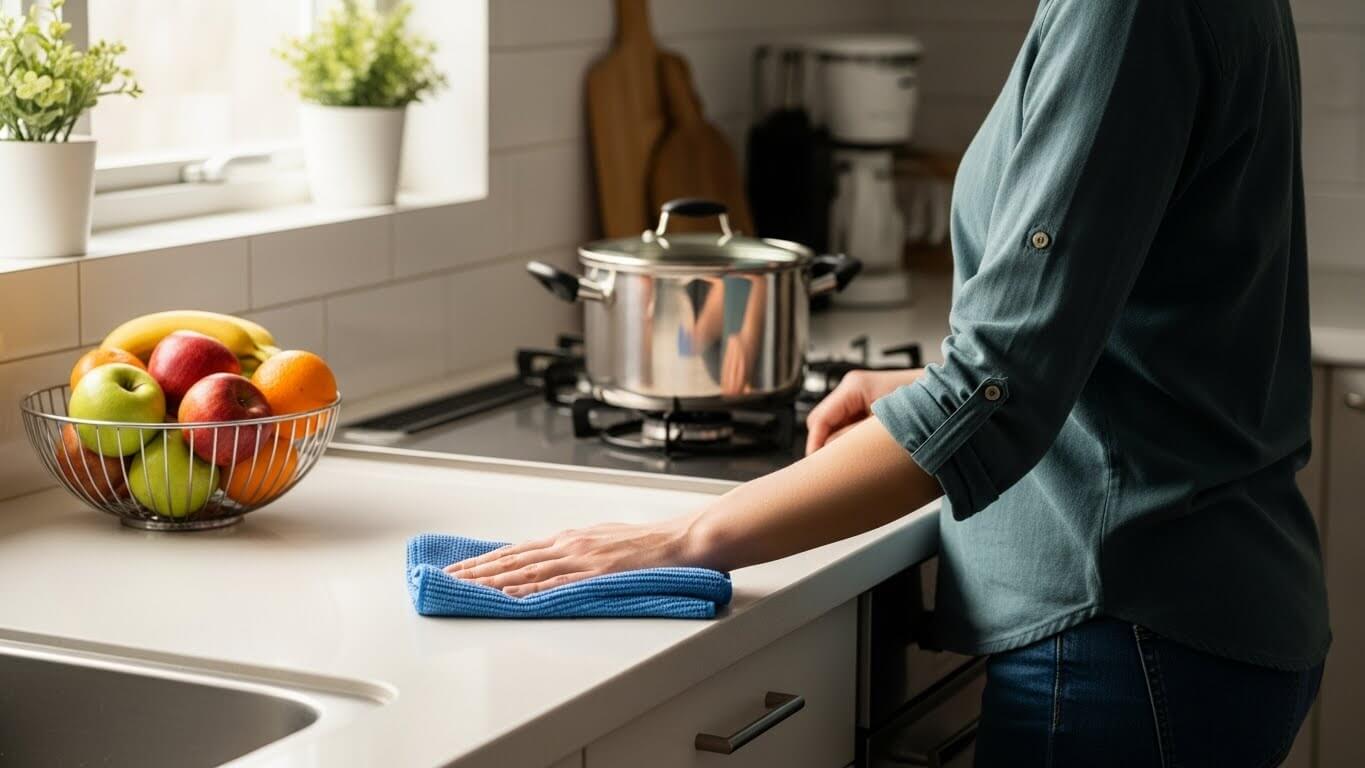
The kitchen collects mess faster than any other space because it’s used constantly. Daily control starts with timing, not effort. Wiping counters and stovetops right after cooking prevents grease and residue from hardening. A quick rinse and load of dishes keeps sinks clear and avoids unpleasant smells by the end of the day.
Crumbs and spills should be handled immediately, especially around prep areas and the floor near cooking zones. This simple habit reduces pests and keeps surfaces hygienic without extra scrubbing later. Taking out food waste daily, even if the bin isn’t full, also makes a noticeable difference in how fresh the kitchen feels.
These small actions take minutes but eliminate the need for frequent heavy cleaning, keeping the kitchen functional and comfortable every day.
Living Areas & High-Touch Surfaces
Living spaces often look clean while quietly collecting dust and germs. Daily cleaning here is about focusing on touch points rather than entire rooms. Door handles, light switches, remote controls, and coffee tables benefit from quick wipe-downs, especially in busy households.
A fast tidy—returning items to their place—prevents clutter from spreading across surfaces. Shaking out cushions or lightly smoothing soft furnishings helps reduce dust buildup and keeps the space feeling refreshed.
Spending just a few minutes resetting the room at the end of the day maintains order and makes the space easier to enjoy without feeling constantly messy.
Bedrooms & Quick Reset Routines
Bedrooms don’t need heavy daily cleaning, but small resets matter. Making the bed each morning instantly improves how the room feels and limits dust settling into bedding. Clothes should be returned to closets or laundry baskets instead of piling up on chairs or floors.
Opening windows briefly when possible helps refresh the air and reduce moisture. A quick surface wipe of nightstands keeps dust under control without disrupting the calm of the space.
These light habits support better rest and prevent bedrooms from becoming cluttered or stale over time.
Weekly Cleaning Tips That Make the Biggest Difference
Weekly cleaning is where real progress happens, but only when it’s approached with a system rather than a long checklist. The goal isn’t to clean everything in one day. It’s to handle the tasks that don’t need daily attention but have the biggest impact on freshness, hygiene, and comfort when done consistently.
A good weekly routine starts by grouping similar tasks. Instead of moving room to room, focus on one type of job at a time—dusting, floors, or bathroom surfaces. This saves time, reduces mental fatigue, and helps maintain momentum. Dusting shelves, baseboards, and hard-to-reach areas once a week prevents buildup that affects air quality and allergies.
Floors benefit greatly from weekly attention. Vacuuming or sweeping removes debris that daily spot cleaning misses, especially in corners and under furniture. Mopping high-traffic areas helps control grime without needing constant deep cleaning. These steps keep floors looking cleaner for longer and protect their condition.
Bathrooms should be refreshed weekly to manage moisture and bacteria. Cleaning sinks, toilets, and shower surfaces before residue hardens makes the process quicker and more effective. This also helps prevent odors and reduces the need for harsh scrubbing later.
Another high-impact weekly habit is laundering items that hold dust and odors. Towels, bed linens, and frequently used throws should be washed regularly to support better indoor hygiene. Emptying bins and wiping them down also prevents lingering smells.
Weekly cleaning works best when it’s predictable and manageable. Spreading tasks across a few short sessions, rather than one exhausting day, keeps the routine sustainable. When done this way, weekly cleaning becomes a stabilizing habit that quietly maintains a healthier home.
Deep Cleaning Tips That Actually Improve Indoor Hygiene
Deep cleaning matters because it targets the parts of a home that everyday routines simply don’t reach. While daily and weekly cleaning keep things under control, they often miss the slow buildup that affects indoor hygiene over time. Deep cleaning works by resetting these hidden areas before problems become noticeable.
The biggest impact comes from addressing materials that trap dust and allergens. Carpets, rugs, mattresses, upholstered furniture, and curtains quietly collect particles that are released back into the air with movement. Deep cleaning these surfaces helps reduce airborne dust and improves how the home feels, especially in enclosed spaces or during seasonal changes.
Moisture-prone areas are another priority. Bathrooms and kitchens accumulate residue behind fixtures, under sinks, and around seals. These damp zones encourage bacteria and odors even when surfaces look clean. Deep cleaning removes buildup at the source, which is why it often eliminates recurring smells rather than masking them.
Air circulation also plays a role in indoor hygiene. Dusty vents, clogged exhaust fans, and neglected filters continually redistribute particles throughout the home. Cleaning these components improves airflow and helps regulate humidity, creating a healthier indoor environment overall.
Deep cleaning is effective because it’s preventative. Instead of reacting to visible dirt or discomfort, it removes the conditions that allow problems to develop. However, it doesn’t need to be frequent. Performing focused deep cleaning a few times a year is usually enough to support healthier living spaces.
When done with intention, deep cleaning complements regular routines. It reduces long-term buildup, supports better air quality, and makes daily maintenance easier, all without turning cleaning into an overwhelming process.
Room-by-Room Cleaning Tips That Are Easy to Maintain
Cleaning becomes far more manageable when each room is treated according to how it’s actually used. Instead of repeating the same routine everywhere, a room-by-room approach focuses on function. This prevents wasted effort and helps cleaning habits stick without becoming overwhelming.
Kitchen Cleaning Focus
The kitchen needs consistent attention, but maintenance works best when it’s targeted. Counters, sinks, and cooking surfaces should stay clear and wiped regularly to prevent grease and food residue from building up. Cabinets and appliance handles are often overlooked, yet they collect oils and bacteria through daily use.
A simple habit of checking spills inside the fridge and wiping shelves weekly prevents odors and sticky buildup. Keeping the sink drain clean and dry also reduces lingering smells. Rather than deep cleaning constantly, focusing on these key zones keeps the kitchen hygienic and easier to manage long term.
Bathroom Cleaning Focus
Bathrooms are heavily affected by moisture, making regular maintenance essential. Sinks, taps, and toilet surfaces should be cleaned consistently to prevent residue and bacteria from settling. Shower walls and doors benefit from quick wipe-downs to reduce soap scum and water marks.
Ventilation matters just as much as surface cleaning. Allowing moisture to escape after use helps prevent mold and stale air. Towels and bath mats should be washed regularly, as they hold moisture and odors. By controlling moisture and focusing on high-contact areas, bathrooms stay fresh without constant scrubbing.
Bedroom & Fabric Care
Bedrooms are less about visible dirt and more about fabric maintenance. Bedding, pillows, and blankets collect dust and skin particles, so regular washing plays a major role in keeping the space healthy. Mattresses benefit from occasional vacuuming to reduce dust buildup.
Keeping floors and surfaces clear helps prevent clutter from turning into dust traps. Light dusting of nightstands and window areas maintains air quality without disrupting the calm of the room. Simple habits like these keep bedrooms comfortable and easy to maintain.
Floors & Common Areas
Floors and shared spaces experience the most traffic, making consistent care important. Sweeping or vacuuming regularly prevents debris from spreading throughout the home. High-traffic paths should be prioritized over rarely used corners.
Entryways deserve special attention since they bring dirt indoors. Mats, shoe areas, and nearby floors should be cleaned frequently to reduce buildup. By focusing on movement patterns rather than entire rooms, floors and common areas stay cleaner with less effort.
Simple Cleaning Tools and Methods That Work Better Together
Cleaning becomes more effective when the right tools are paired with the right methods. Using too many tools often complicates the process, while using the wrong ones leads to wasted effort. Simple, well-matched combinations make every day cleaning easier and more consistent.
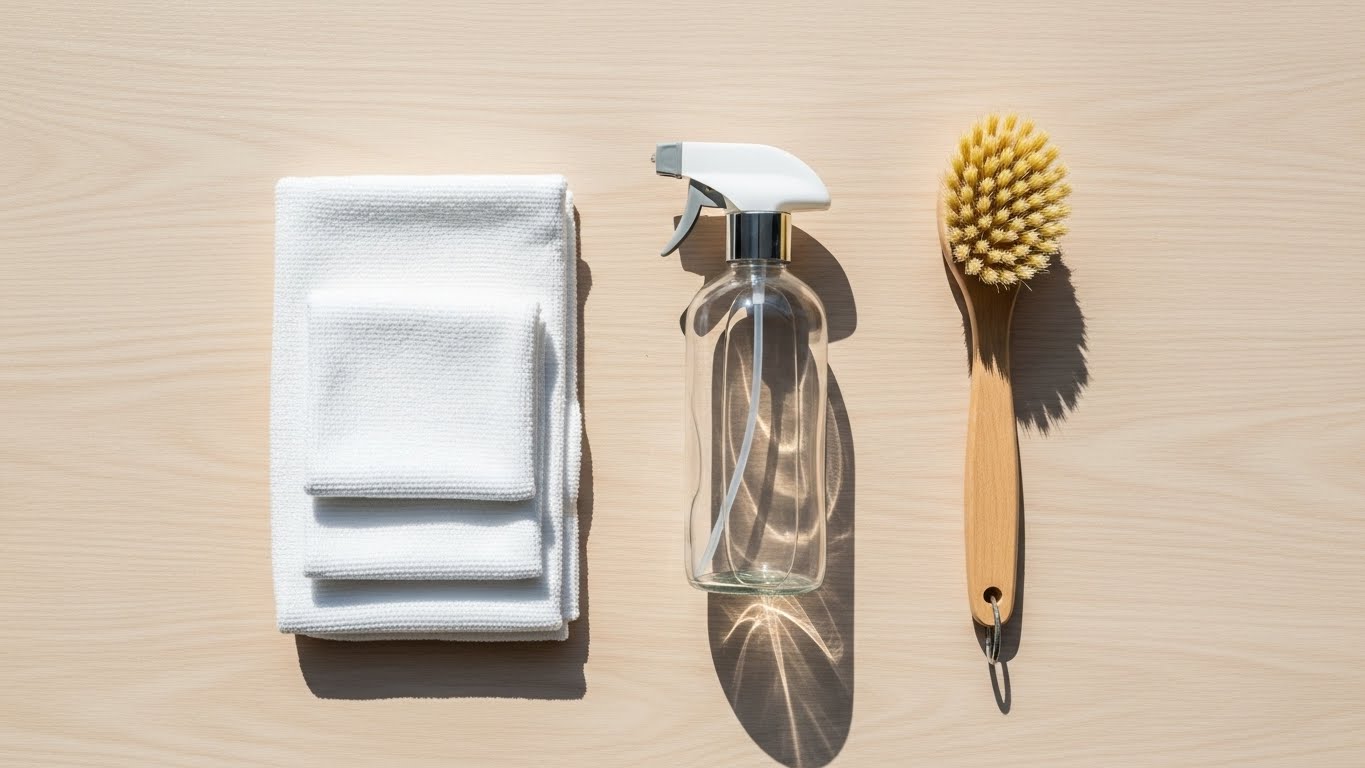
Microfiber cloths work best when used dry for dusting and slightly damp for wiping surfaces. Their ability to trap particles reduces the need for repeated passes and limits dust from spreading into the air. Paired with gentle, all-purpose cleaning solutions, they handle most surface cleaning without leaving residue behind.
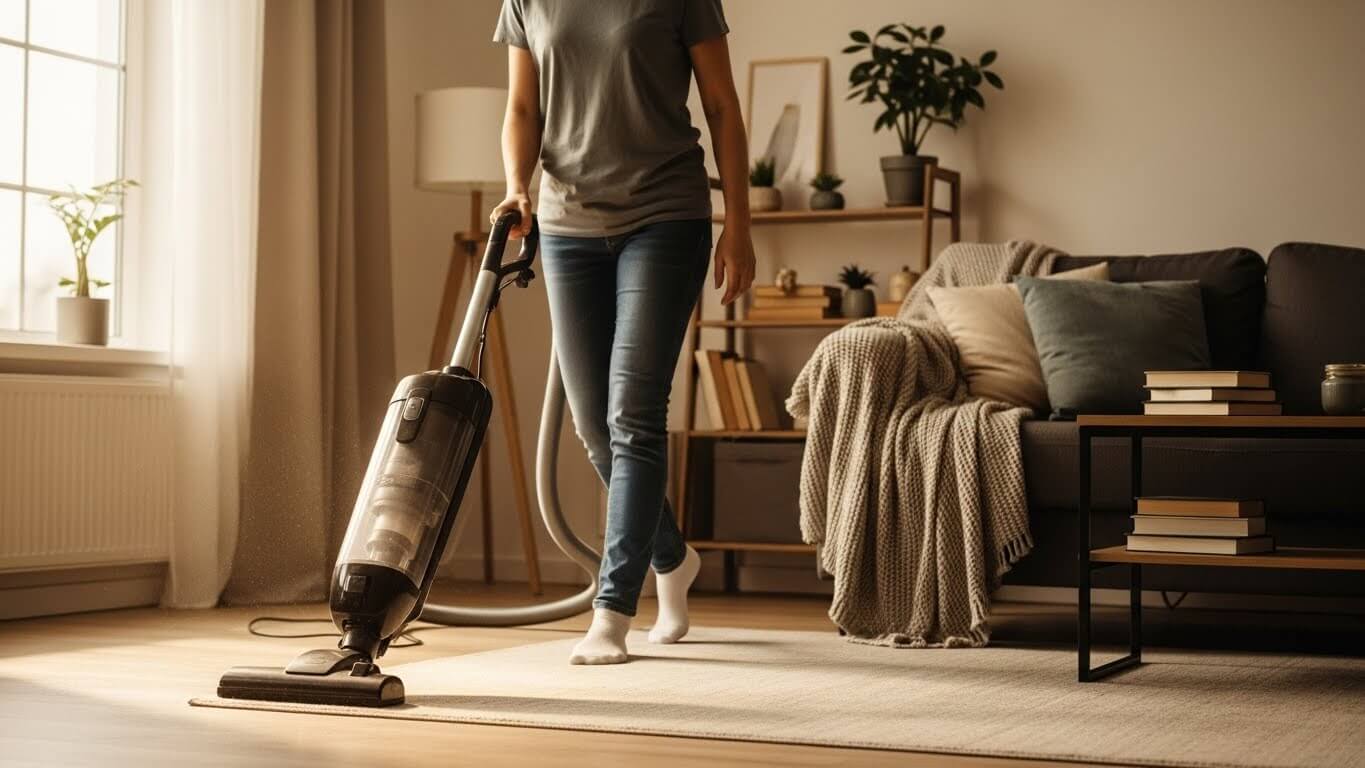
Vacuum cleaners are most effective when used strategically rather than everywhere at once. Using attachments for corners, upholstery, and fabric surfaces improves dust removal and helps maintain air quality. Following up with light sweeping or spot mopping in high-traffic areas keeps floors under control without over-cleaning.
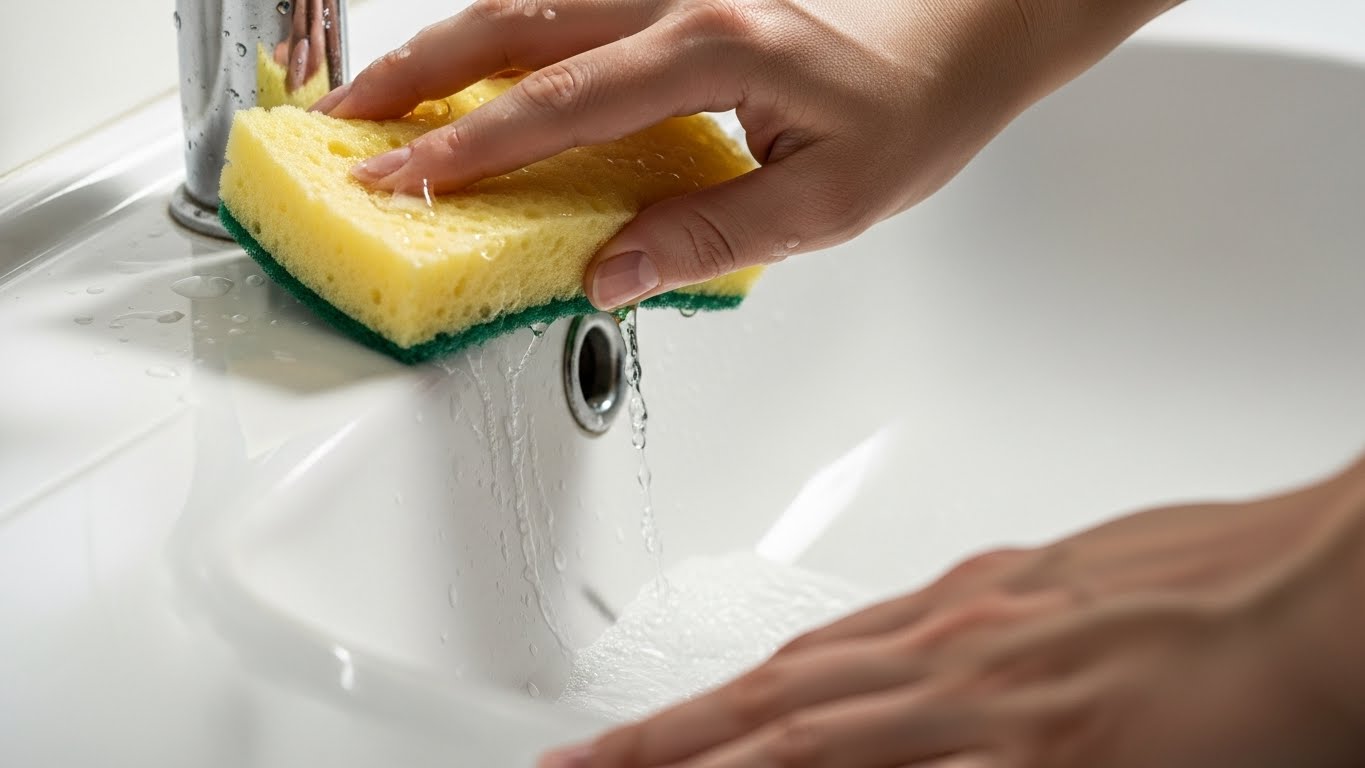
For moisture-heavy spaces, simple scrubbing tools paired with regular ventilation make a noticeable difference. Soft brushes or sponges used on sinks, showers, and grout work best when surfaces are still warm and damp, as buildup is easier to remove before it hardens. Allowing areas to dry fully afterward prevents recurring issues.
Buckets and spray bottles are more useful when cleaning is broken into small sections. Spraying directly onto cloths instead of surfaces reduces oversaturation and speeds up drying time. This method also limits product buildup and makes routine cleaning faster.
When tools and methods support each other, cleaning feels purposeful rather than repetitive. The result is better hygiene, less effort, and routines that are easier to maintain over time.
Realistic Cleaning Tips for Busy Homes and Families
In busy homes, cleaning has to work around real life, not against it. Long days, shared spaces, and unpredictable routines make perfection unrealistic. The most effective cleaning tips for families focus on maintaining control, not chasing spotless results.
One practical approach is prioritizing impact over coverage. Kitchens, bathrooms, and common living areas affect daily comfort the most, so they deserve attention first. Less-used rooms can follow a flexible rotation instead of being cleaned on a strict weekly schedule. This reduces pressure without sacrificing hygiene where it matters.
Shared responsibility also plays a role. Simple habits—clearing surfaces after use, putting items back in place, or wiping small spills immediately—prevent clutter from building up. These actions don’t require formal cleaning time, yet they significantly reduce the workload later.
Busy households benefit from routine-friendly timing. Cleaning tasks fit more naturally when paired with existing moments, such as resetting the kitchen after meals or doing a quick tidy before bed. Short, focused resets are often more effective than waiting for long, uninterrupted cleaning sessions that rarely happen.
There are also realistic trade-offs. Floors won’t always be spotless, and laundry may sit for a day or two. That doesn’t mean the home is unhealthy or unmanaged. A functional home supports daily living first and visual perfection second.
Cleaning tips that respect time, energy, and family dynamics are easier to maintain. When routines feel flexible and achievable, they last—and that consistency matters more than doing everything perfectly.
Frequently Asked Questions About Cleaning Tips
How often should a home really be cleaned?
Most homes don’t need constant deep cleaning to stay healthy. Daily habits help manage mess and hygiene, while weekly routines control buildup that affects comfort. Deep cleaning works best a few times a year, focusing on hidden areas like fabrics, vents, and moisture-prone spaces. The key is consistency rather than strict schedules, adjusting routines based on how the home is actually used.
What areas make the biggest difference when cleaned regularly?
High-use and high-touch areas have the greatest impact. Kitchens, bathrooms, door handles, light switches, and shared surfaces influence hygiene more than low-traffic rooms. Entryways and common walking paths also collect dirt quickly. Focusing on these zones keeps the home feeling cleaner with less effort.
Can a home stay healthy without cleaning every day?
Yes, when cleaning is intentional. Short daily resets combined with structured weekly tasks prevent buildup even without constant cleaning. Targeting the right areas matters more than how often every surface is cleaned. This approach reduces burnout while still supporting a healthy living environment.
Why does a home feel dusty even after cleaning?
Dust often comes from overlooked sources like soft furnishings, cluttered surfaces, and vents. Cleaning visible areas alone won’t stop particles from circulating. Managing fabrics, improving airflow, and reducing surface clutter helps control dust and improves indoor comfort over time.
Are simple cleaning methods actually effective?
Simple methods work well when used with purpose. Mild solutions and proper tools handle most everyday messes without causing residue or irritation. Stronger methods are only needed for heavy buildup. Effectiveness comes from choosing the right approach for each situation, not from overdoing it.
Conclusion
A home doesn’t need constant effort or perfect routines to feel clean and healthy. What matters most is choosing cleaning habits that work consistently in real life. When daily, weekly, and occasional deep cleaning are aligned with how a home is actually used, maintenance becomes manageable instead of overwhelming.
Effective cleaning tips focus on impact rather than appearances. By giving attention to high-use areas, managing hidden buildup, and allowing routines to adapt over time, a home naturally stays fresher and more comfortable. Small, intentional actions create lasting results without demanding extra time or energy.
Cleaning works best when it supports everyday living, not when it becomes another source of stress. With realistic routines and practical methods, it’s possible to maintain a home that feels calm, functional, and genuinely easy to care for. Consistency, not perfection, is what keeps a healthy home running smoothly day after day.