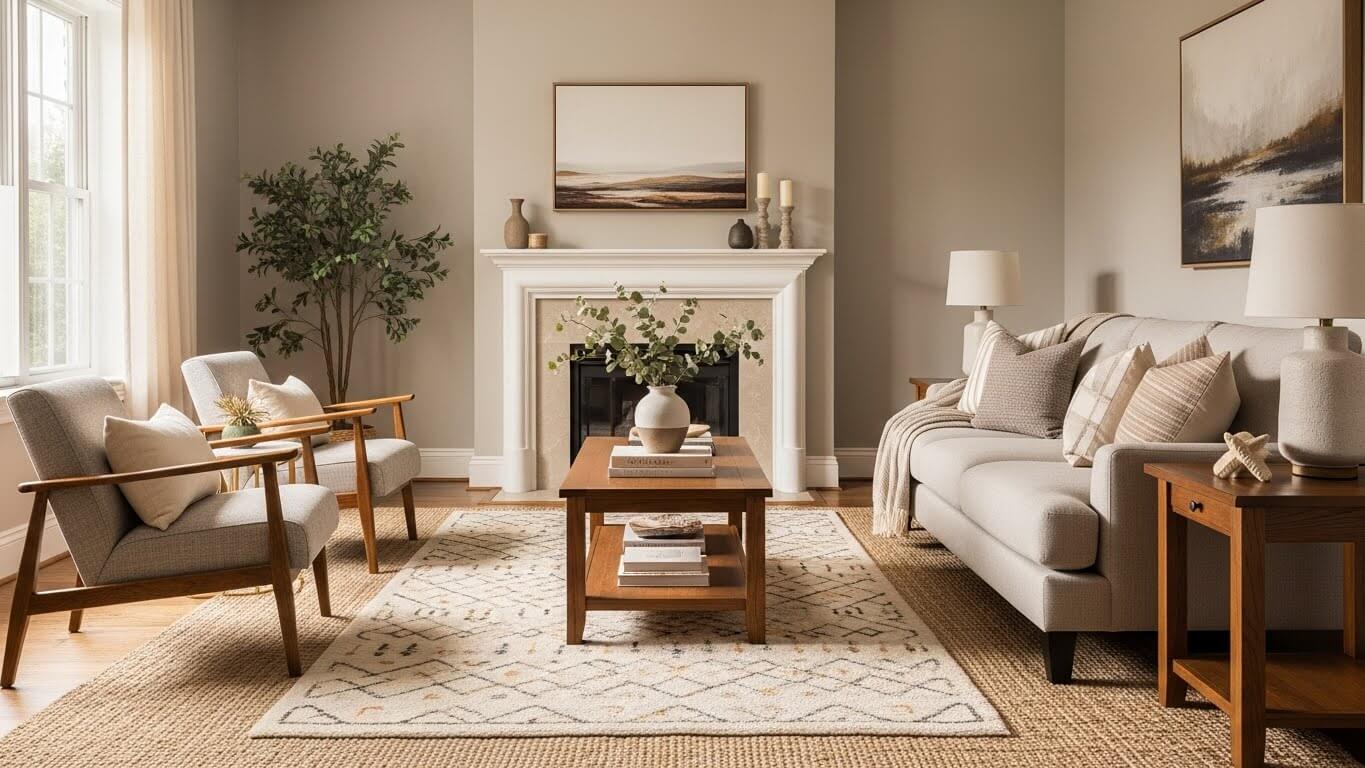

There’s a point where a home stops feeling new but doesn’t quite feel complete either. The furniture is there. The walls are painted. Everything technically works — yet the room still feels flat, unfinished, or oddly forgettable. This is one of the most common home decor frustrations, and it has very little to do with budget or square footage.
Finished rooms aren’t built through one big purchase. They come together through a series of small, thoughtful decor decisions that layer comfort, personality, and balance over time. When those elements work together, a space starts to feel intentional instead of accidental.
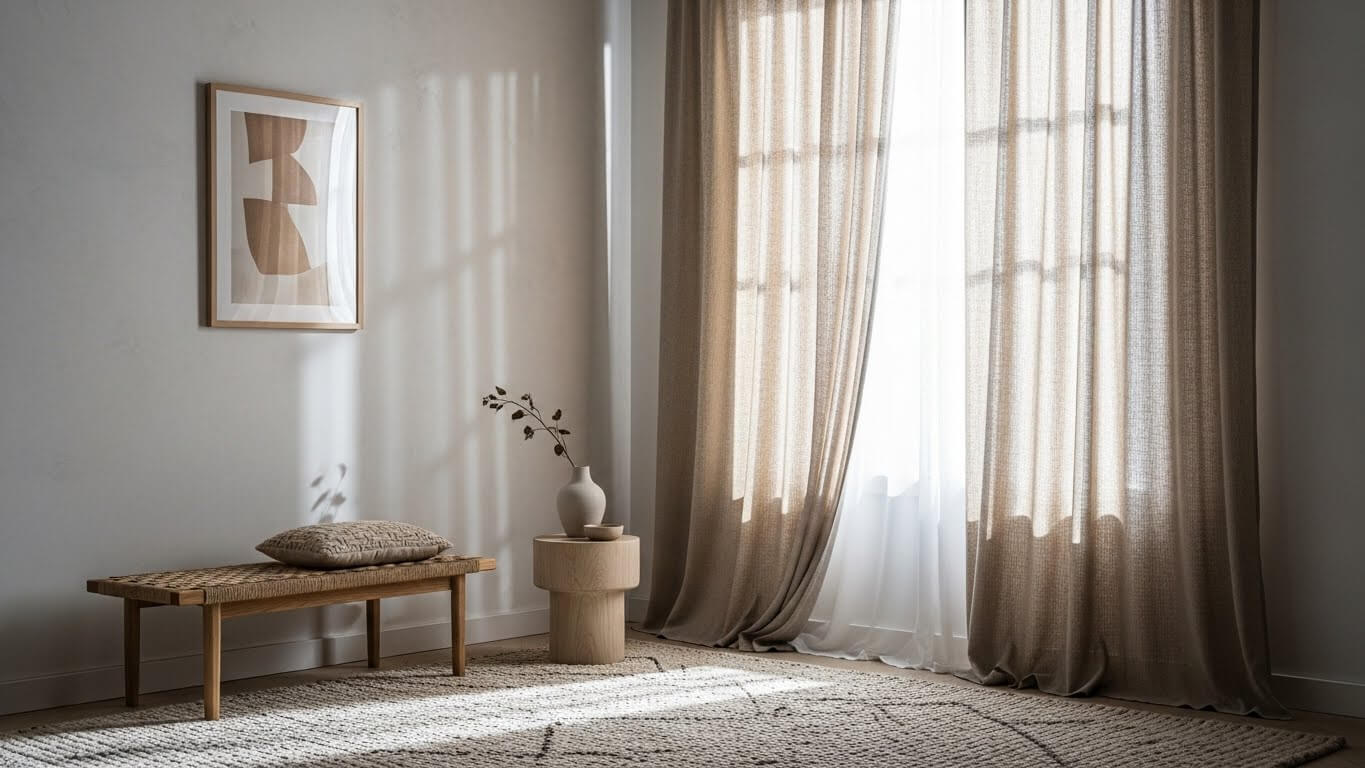
This guide breaks down the simple home decor changes that consistently make rooms feel finished — while naturally touching on the most effective decor elements people upgrade next, from lighting and rugs to wall art, plants, and color choices.
What Actually Makes a Room Feel Finished?
A finished room feels cohesive, calm, and lived-in. It doesn’t shout for attention, but it also doesn’t feel empty. Visually, nothing looks forgotten or temporary.
Most finished rooms share a few quiet traits:
- A clear sense of balance
- Repetition of colors or materials
- Soft layers that add warmth
- At least one intentional focal point
Good home decor isn’t about filling space. It’s about resolving it.
Start With a Clear Focal Point
When a room feels unfinished, it’s often because the eye doesn’t know where to land.
A focal point anchors the space and gives every other decor choice context. This could be:
- A large piece of wall art
- A styled media wall
- A statement mirror
- A well-lit seating area
Without a focal point, rooms feel scattered — even if the decor itself is attractive. Once one area leads visually, everything else feels more settled.
Wall Decor Is What Moves a Room From Empty to Intentional
Bare walls are one of the biggest reasons rooms feel incomplete. But overdecorated walls can feel just as unresolved.
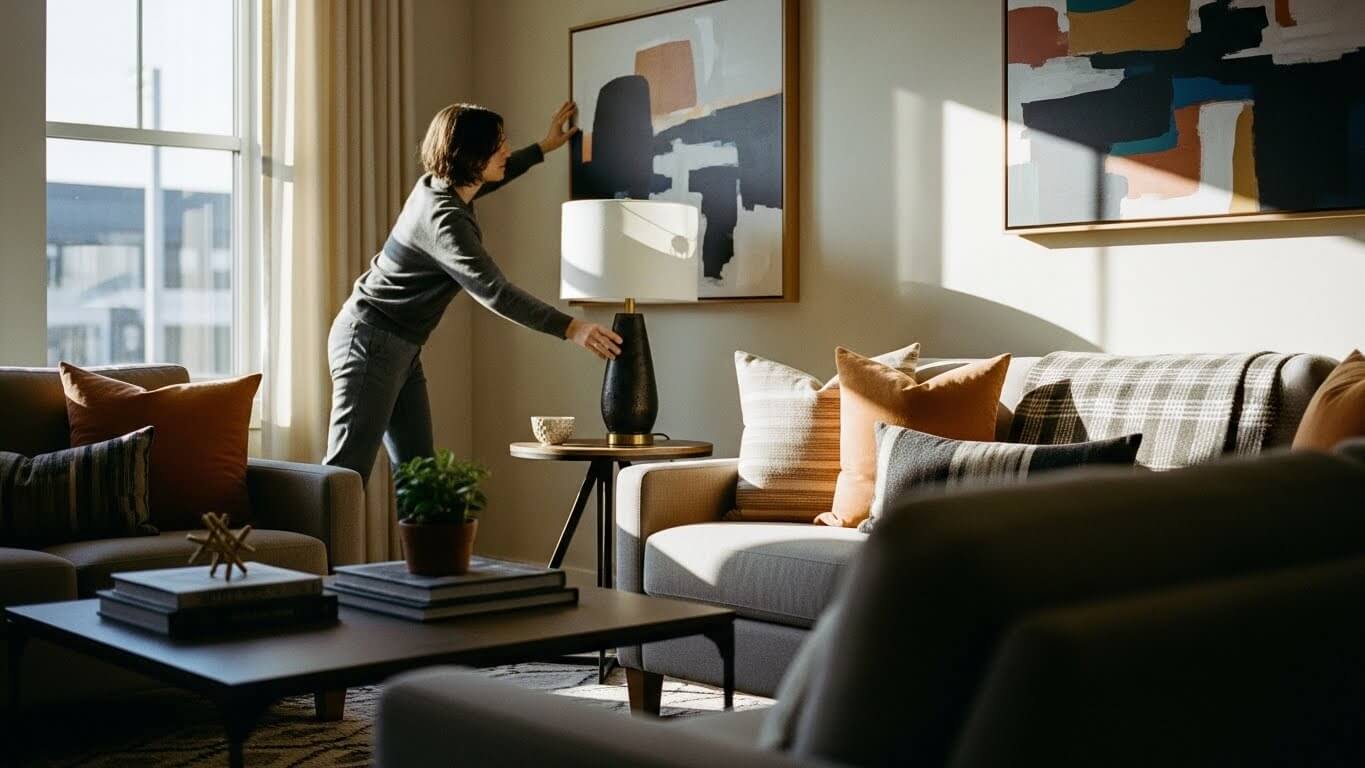
The goal isn’t to cover every inch — it’s to create visual weight where it’s needed. Large-scale art, minimalist wall decor, or a carefully chosen mirror often does more than multiple small pieces. This is why minimalist wall decor trends continue to work so well: they add structure without clutter.
Wall decor should support the room’s mood, not dominate it.
Rugs Quietly Finish the Floor Plan
A room without a rug often feels like furniture is floating. Even expensive furniture can look temporary without something grounding it.
The right rug:
- Defines seating areas
- Adds warmth and texture
- Helps tie colors together
Affordable rugs can dramatically change how finished a space feels, especially when they’re properly sized. A rug that’s too small can undo all your other decor work, while the right size instantly makes the room feel intentional.
Lighting Is Where Most Rooms Fall Short
One overhead light rarely finishes a room.
Layered lighting — combining ceiling lights, floor lamps, and table lamps — creates depth and atmosphere. LED lighting ideas for living rooms work particularly well when used subtly: warm tones, indirect placement, and dimmable options.
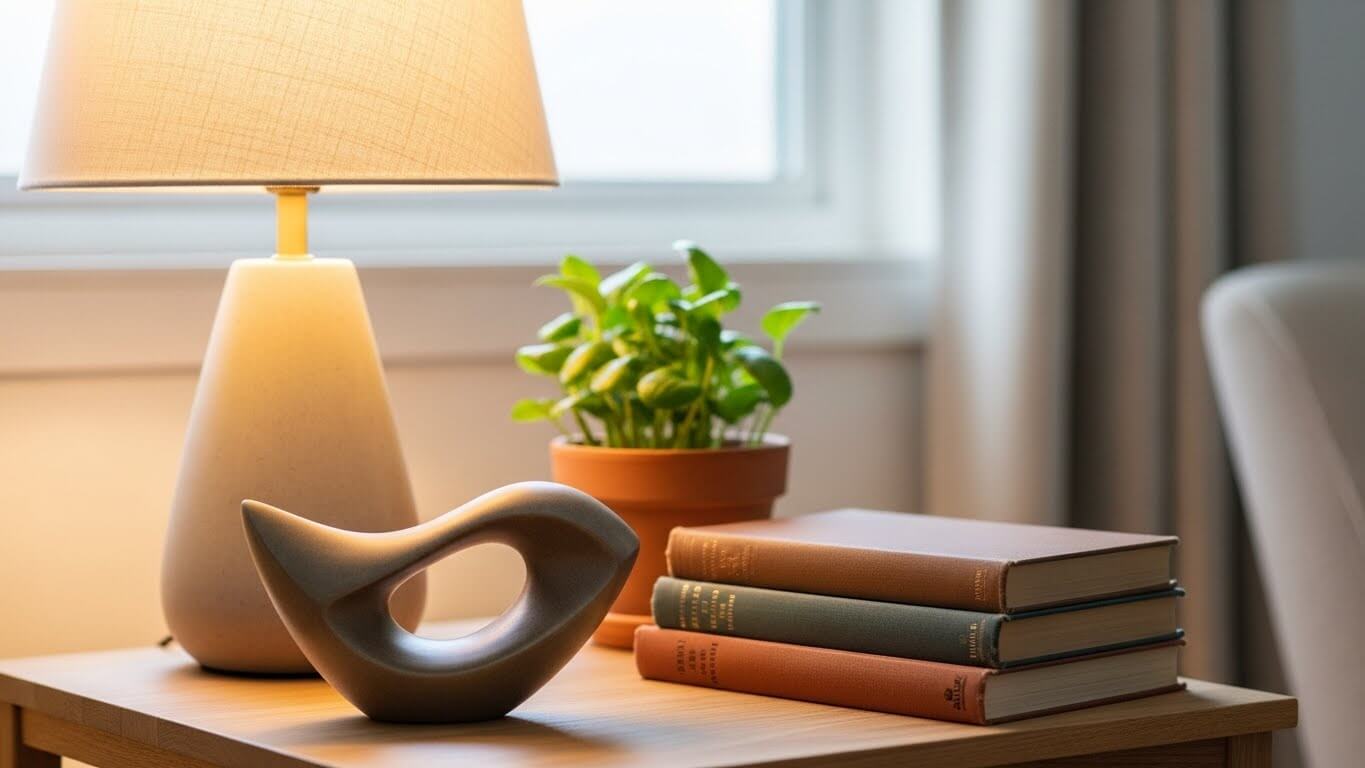
Table lamps in bedrooms or side lamps in living areas add softness that overhead lighting simply can’t. Lighting isn’t just functional — it’s emotional.
Use Plants to Add Life, Even If They’re Artificial
Rooms without organic elements often feel stiff. Plants introduce movement, softness, and contrast.
For many homes, artificial plants are a practical solution:
- No maintenance
- Consistent appearance
- Works well in low-light spaces
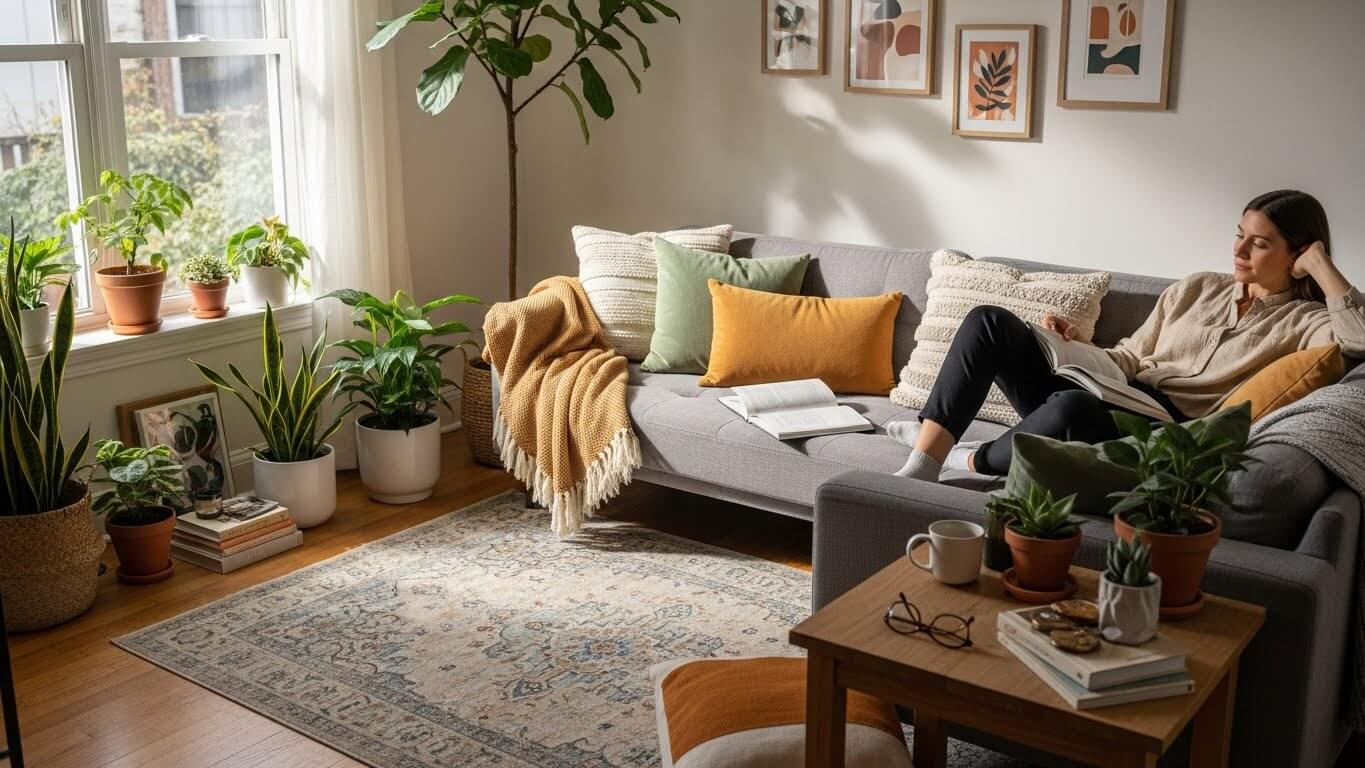
The best artificial plants for home styling look natural from a distance and are placed intentionally — corners, shelves, or next to furniture that feels heavy. One well-placed plant often does more than several small ones.
Color Is What Makes Decor Feel Designed
Color confusion is another reason rooms feel unfinished. Too many tones with no repetition can create visual noise.
Learning how to mix and match colors like a designer doesn’t mean memorizing rules — it means limiting your palette and repeating it calmly. Cozy spaces often rely on paint color combinations that feel warm and familiar, not trendy or extreme.
When walls, textiles, and decor echo each other subtly, rooms feel composed instead of chaotic.
Curtains Change the Perception of Space
Curtains are often treated as an afterthought, but they play a major role in how finished a room feels.
Well-chosen curtains:
- Add vertical height
- Soften hard edges
- Frame windows properly
Hanging curtains higher and wider than the window can make rooms feel larger and more polished. Poorly sized or skipped window treatments can make even a nicely furnished room feel incomplete.
Small Decor Pieces Matter More Than You Think
It’s not about owning more decor — it’s about choosing pieces that add meaning.
A few well-chosen home decor pieces under $50, such as trays, vases, or sculptural objects, can bridge gaps between furniture and architecture. These items work best when they serve a visual purpose, not just fill space.
Vintage accents or modern decor finds can both work, as long as they support the room’s overall tone.
Mirrors Create Depth and Light
Mirrors are one of the most effective finishing tools, especially in smaller rooms.
They:
- Reflect natural light
- Add dimension
- Make spaces feel more open
Mirrors that make small rooms look bigger are usually simple in design and thoughtfully placed. Overly ornate mirrors can overwhelm, while clean frames quietly elevate a space.
Common Mistakes That Keep Rooms Feeling Unfinished
Even well-decorated rooms can feel “almost done” because of a few common issues:
- Too many small decor items instead of fewer strong ones
- Ignoring lighting layers
- Everything matching too perfectly
- Furniture pushed flat against walls
Finished rooms usually show restraint, not excess.
Trends Matter Less Than Consistency
Trending interior themes can inspire, but they shouldn’t override how a space functions. Boho, modern, vintage, or minimalist styles all work when applied consistently and adapted to real life.
A finished room isn’t a showroom. It’s a place that feels settled, personal, and comfortable to live in.
FAQs
How do I know when a room is finished?
When nothing feels like a placeholder and the room feels calm to be in.
Can budget decor still look finished?
Yes. Scale, placement, and balance matter more than price.
Why does my room look better in photos than real life?
Photos flatten space. Real rooms need texture, lighting, and depth.
Should every room follow the same decor style?
No. Homes feel more natural when rooms relate without matching exactly.
Finished Doesn’t Mean Final
A finished room isn’t frozen — it’s resolved. It feels complete enough to live in, but flexible enough to evolve as your taste changes.
When decor choices are intentional and layered thoughtfully, rooms stop asking for more. They simply work.